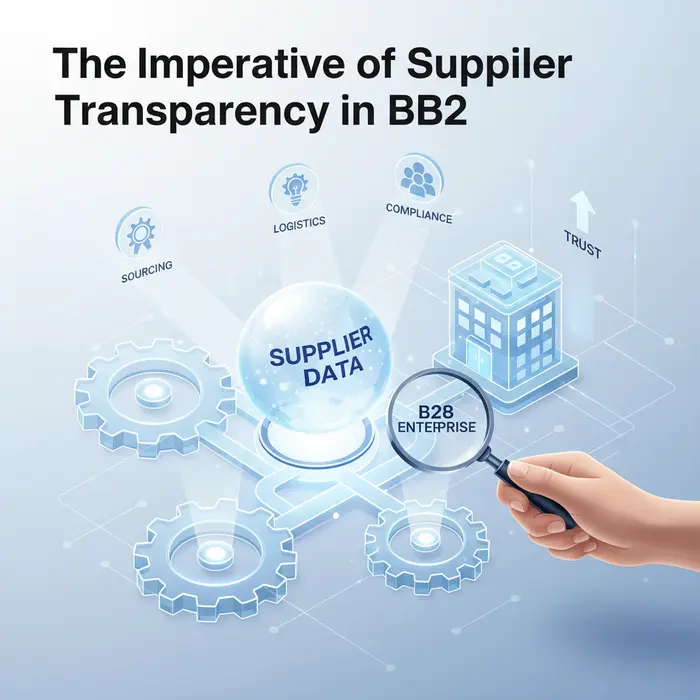
In today’s interconnected global economy, the phrase “out of sight, out of mind” no longer applies to business-to-business (B2B) supply chains. Supplier transparency B2B has transcended from a desirable trait to an absolute imperative. Modern B2B operations face unprecedented complexities, from geopolitical shifts and environmental concerns to rapidly evolving consumer expectations. Without clear insight into every tier of their supply network, businesses expose themselves to significant reputational, financial, and operational risks. Conversely, embracing transparency unlocks substantial opportunities for competitive advantage, resilience, and sustainable growth.
1. Rising Consumer Demand for Ethical Sourcing
The digital age has empowered consumers like never before. With information readily available, buyers are increasingly scrutinizing the origins and production methods of the products they purchase. This heightened awareness extends beyond the final product to encompass the entire supply chain, placing immense pressure on B2C companies, which, in turn, cascades down to their B2B partners. Consumers, especially younger generations, are willing to pay more for brands that demonstrate strong ethical practices and social responsibility. For B2B suppliers, this means that proving ethical sourcing benefits is no longer an optional add-on but a fundamental requirement to secure and maintain contracts. Companies that can transparently demonstrate fair labor practices, sustainable environmental policies, and responsible material sourcing gain a significant edge, fostering trust and aligning with the values of their partners’ end-users. Failing to do so can lead to boycotts, negative publicity, and a damaged brand image.
2. Mitigating Reputational and Financial Risks
Opaque supply chains are breeding grounds for unforeseen crises. A lack of supplier transparency B2B can hide a multitude of risks, from child labor and unsafe working conditions to environmental non-compliance and substandard product quality. When these issues surface—and in today’s interconnected world, they almost certainly will—the fallout can be catastrophic. Brands face severe reputational damage, plummeting stock prices, and potentially crippling financial penalties from regulators or legal action. The challenges of building a more resilient supply chain are magnified without transparency, making it difficult to assess their true operational integrity and effectively vet international suppliers. Furthermore, inadequate quality control in export manufacturing due to a lack of visibility can result in product recalls, customer dissatisfaction, and significant financial losses. Proactive transparency acts as an early warning system, allowing businesses to identify and rectify potential issues before they escalate into full-blown crises, safeguarding their brand equity and bottom line.
3. Building Resilient and Trustworthy Supply Chains
Beyond risk mitigation, supplier transparency is a cornerstone for building genuinely resilient and trustworthy supply chains. When every link in the chain is visible, businesses gain a comprehensive understanding of their dependencies, vulnerabilities, and potential bottlenecks. This insight enables proactive strategic planning, allowing companies to diversify suppliers, optimize logistics, and respond swiftly to disruptions like natural disasters, geopolitical events, or economic downturns. Implementing robust supply chain visibility solutions fosters stronger relationships with suppliers based on mutual trust and shared understanding. Transparent data sharing facilitates collaborative problem-solving, improves forecasting accuracy, and streamlines operational efficiencies. This level of collaboration not only enhances operational agility but also builds a reputation for reliability and integrity, making a business a preferred partner in the global marketplace. Ultimately, transparency transforms a complex network of transactions into a cohesive, adaptable ecosystem capable of weathering challenges and capitalizing on new opportunities for sustained growth.
Embracing supplier transparency in the B2B landscape is no longer a strategic choice but a fundamental prerequisite for success. It addresses immediate risks, aligns with evolving ethical demands, and lays the groundwork for robust, adaptable, and trustworthy supply chains essential for thriving in the modern global market.
Unpacking Ethical Sourcing Benefits & Best Practices
In an increasingly interconnected and conscious global marketplace, ethical sourcing has transcended mere corporate social responsibility (CSR) to become a fundamental pillar of sustainable business strategy. It’s no longer just about compliance; it’s about competitive advantage. This practice, which involves procuring goods and services in a way that respects human rights, protects the environment, and promotes fair labor, offers profound ethical sourcing benefits. By embedding ethical principles into their procurement strategies, businesses can significantly enhance their brand value, drive sustainable growth, and foster stronger, more resilient stakeholder relations. A critical component of this transformation is achieving robust Supplier Transparency B2B, allowing companies to trace and verify the origins and conditions of their entire supply chain.
1. Enhancing Brand Image and Customer Loyalty
The modern consumer, whether an individual buyer or a B2B client, increasingly scrutinizes the ethical credentials of the brands they engage with. Companies that demonstrate a genuine commitment to ethical sourcing build a powerful and positive brand image. This translates directly into enhanced reputation, increased trust, and, crucially, stronger customer loyalty. When consumers know that a product is made without exploiting labor or harming the environment, they are often willing to pay a premium and are more likely to become repeat buyers. This differentiation sets ethically-minded businesses apart in crowded markets, attracting a demographic of socially conscious customers and investors alike. Furthermore, a strong ethical stance acts as a protective shield against potential reputational damage that can arise from unforeseen supply chain scandals, ensuring long-term brand equity and resilience.
2. Improving Worker Conditions and Environmental Impact
At the heart of ethical sourcing lies the imperative to create positive real-world impact. This means actively working to improve the conditions for workers throughout the supply chain and minimizing environmental damage. For workers, this translates to fair wages, safe working environments free from harassment and discrimination, reasonable working hours, and the right to collective bargaining. For the environment, ethical sourcing drives practices that reduce waste, conserve resources, minimize pollution, and transition towards renewable energy. This often involves collaborating with suppliers to implement greener manufacturing processes and ensuring responsible disposal of waste products. Companies must develop rigorous processes for how to vet international suppliers, scrutinizing their environmental records and labor practices. Additionally, robust quality control in export manufacturing extends beyond product specifications to include adherence to these crucial social and environmental standards, ensuring that ethical considerations are built into every stage of production.
3. Implementing Fair Labor Practices Across the Supply Chain
Implementing fair labor practices is not a static goal but an ongoing commitment requiring vigilant oversight and proactive engagement with suppliers. This involves establishing clear codes of conduct that align with international labor standards, such as those set by the International Labour Organization (ILO), and ensuring these codes are communicated and adhered to by all partners. Effective implementation necessitates regular, independent audits and transparent reporting mechanisms to verify compliance. Businesses must invest in supply chain visibility solutions that provide real-time data and insights into labor practices at every tier of their supply chain. This might involve adopting blockchain technology for traceability or partnering with third-party certification bodies. Beyond mere auditing, it also involves building capacity within supplier operations, offering training on human rights, and fostering long-term relationships that encourage continuous improvement rather than punitive measures. Ultimately, a truly ethical supply chain is one where all workers are treated with dignity, respect, and fairness, contributing to a more just and sustainable global economy.
Leveraging Supply Chain Visibility Solutions
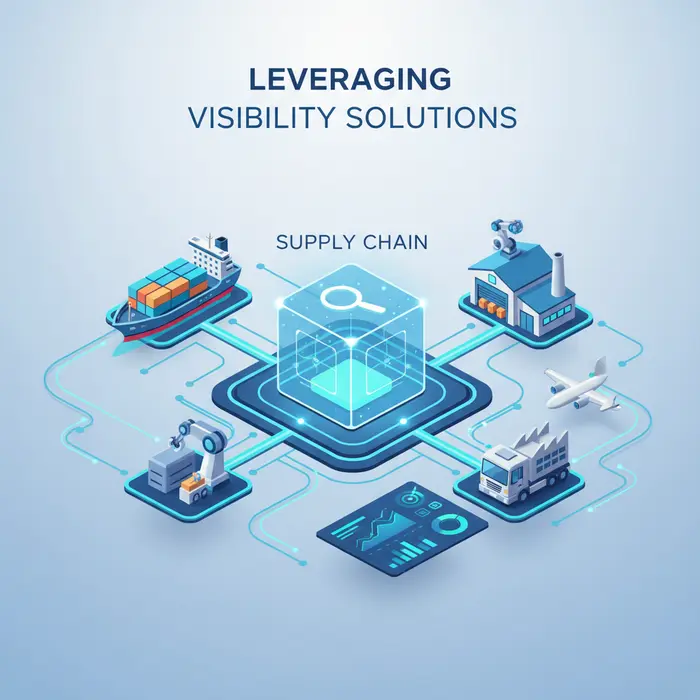
In today’s interconnected global economy, achieving comprehensive supply chain visibility is not just an operational advantage but a strategic imperative. Businesses are increasingly challenged by complex, multi-tiered networks, making it difficult to track goods, materials, and information in real-time. This lack of transparency can lead to inefficiencies, increased risks, and reputational damage. By exploring various technologies and strategic approaches, organizations can enable greater visibility and traceability throughout the entire supply chain lifecycle, ultimately fostering Supplier Transparency B2B – a critical component for resilience and responsible business practices.
1. Blockchain and Advanced Traceability Technologies
Blockchain technology offers a revolutionary approach to enhancing supply chain visibility by creating an immutable, distributed ledger of all transactions. Each step of a product’s journey – from raw material sourcing to final delivery – can be recorded as a block in the chain, providing a transparent and verifiable history. This distributed ledger ensures data integrity, making it incredibly difficult for information to be altered or falsified, which is crucial for verifying ethical sourcing benefits and adherence to compliance standards. Beyond blockchain, other advanced traceability technologies like IoT (Internet of Things) sensors, RFID (Radio-Frequency Identification), and GPS tracking provide real-time data on location, environmental conditions, and status of goods. These tools are indispensable for maintaining stringent quality control in export manufacturing, quickly identifying points of failure, and reducing the incidence of counterfeit goods. Integrating these technologies allows businesses to build a robust framework for end-to-end traceability, offering unparalleled insights into every aspect of their supply chain.
2. Data Analytics for Supplier Performance Monitoring
Leveraging the vast amounts of data generated across the supply chain is fundamental to achieving superior visibility. Data analytics tools transform raw data into actionable insights, enabling businesses to monitor supplier performance with unprecedented precision. By analyzing metrics such as delivery times, quality defect rates, compliance adherence, and communication responsiveness, companies can gain a clear picture of their suppliers’ reliability and efficiency. This analytical approach is vital for understanding how to vet international suppliers, as it moves beyond initial assessments to continuous, data-driven evaluation. Predictive analytics can even identify potential risks before they escalate, such as impending delays or quality issues, allowing for proactive intervention. Implementing robust data analytics as part of your supply chain visibility solutions empowers organizations to make informed decisions, optimize inventory levels, and negotiate better terms based on evidence-based performance. This continuous monitoring fosters a culture of accountability and drives ongoing improvement across the entire supplier network.
3. Integrated Supply Chain Management Platforms
While individual technologies like blockchain and data analytics are powerful, their true potential is unlocked when integrated within a comprehensive supply chain management (SCM) platform. These platforms serve as a centralized hub, consolidating data from disparate systems – including ERP (Enterprise Resource Planning), CRM (Customer Relationship Management), and various logistics software – to provide a single, unified view of the entire supply chain. Modern integrated SCM platforms offer features like real-time dashboards, automated alerts, collaborative portals for suppliers and partners, and advanced planning capabilities. They facilitate seamless information flow, breaking down silos and enabling better coordination across all stakeholders. By providing a holistic perspective, these platforms empower decision-makers with the real-time insights needed to respond swiftly to disruptions, optimize logistics, manage risks effectively, and ensure compliance. This integration is crucial for maintaining agility and responsiveness in a dynamic global market, transforming fragmented operations into a cohesive, visible, and highly efficient supply chain.
In conclusion, adopting a multi-faceted approach to supply chain visibility—integrating advanced traceability, data analytics, and robust SCM platforms—is paramount for modern businesses. These supply chain visibility solutions not only mitigate risks and enhance operational efficiency but also foster stronger, more transparent relationships with suppliers, ultimately driving sustainable growth and competitive advantage in the B2B landscape.
How to Vet International Suppliers Effectively
Navigating the complexities of global supply chains requires a meticulous approach to supplier selection. For B2B companies, effectively vetting international suppliers is paramount to ensuring product quality, operational reliability, and adherence to ethical and legal standards. Achieving robust Supplier Transparency B2B is not merely a best practice; it’s a strategic imperative that mitigates risks and builds resilient supply networks. This section provides actionable steps and critical considerations for assessing potential global partners, helping businesses secure compliant and dependable relationships.
1. Thorough Due Diligence and Background Checks
The initial phase of vetting involves comprehensive due diligence, which is the cornerstone of understanding your potential partner. Begin by researching the supplier’s company history, legal structure, and ownership. Investigate their financial stability through credit reports, bank references, and publicly available financial statements to ascertain their ability to fulfill long-term contracts. Look for any history of litigation, regulatory infractions, or business disputes, which can be red flags indicating potential future problems. Engaging with independent third-party services can provide deeper insights into a supplier’s background, including their operational capacity, market reputation, and previous client testimonials. Robust Supplier Transparency B2B tools and Supply chain visibility solutions can help gather this information more efficiently, offering a clearer picture of their operational footprint and potential risks. Don’t overlook online reviews, industry forums, and trade association memberships, which can offer valuable qualitative data on a supplier’s reliability and business practices.
2. On-site Audits and Certification Requirements
While paper trails provide a foundational understanding, on-site audits offer invaluable first-hand insights into a supplier’s operations. These visits allow you to directly assess manufacturing processes, quality control systems, working conditions, and environmental management practices. For sectors where product quality is non-negotiable, focused audits on Quality control in export manufacturing are crucial to ensure compliance with your specifications and international standards. Beyond visual inspection, verify key certifications such as ISO 9001 for quality management, ISO 14001 for environmental management, and SA8000 for social accountability. These certifications demonstrate a commitment to recognized international standards and can significantly reduce your risk exposure, particularly when considering Ethical sourcing benefits. Furthermore, evaluate their adherence to specific industry standards relevant to your product or service. Engaging independent audit firms, especially those with local expertise, can provide an unbiased and professional assessment, confirming that the supplier’s stated capabilities and commitments align with their actual operational realities.
3. Assessing Compliance with International Standards and Regulations
Operating globally means navigating a complex web of international laws, ethical guidelines, and industry-specific regulations. A critical step in How to vet international suppliers is to thoroughly assess their compliance with all relevant legal frameworks, including local labor laws, environmental protection acts, anti-bribery statutes (like the FCPA or UK Bribery Act), and data privacy regulations (such as GDPR, if applicable). Beyond legal compliance, evaluate their commitment to ethical standards and responsible business conduct, aligning with principles such as those outlined in the OECD Guidelines for Multinational Enterprises on Responsible Business Conduct. This includes ensuring fair labor practices, safe working conditions, and a zero-tolerance policy for child labor or forced labor. Your due diligence should extend to understanding their import/export compliance records, including customs declarations, tariffs, and trade restrictions. A supplier’s failure to comply with these standards can lead to severe legal penalties, reputational damage, and supply chain disruptions for your company. Request evidence of their compliance programs, training initiatives, and internal audit procedures to confirm an ongoing commitment to upholding these vital standards.
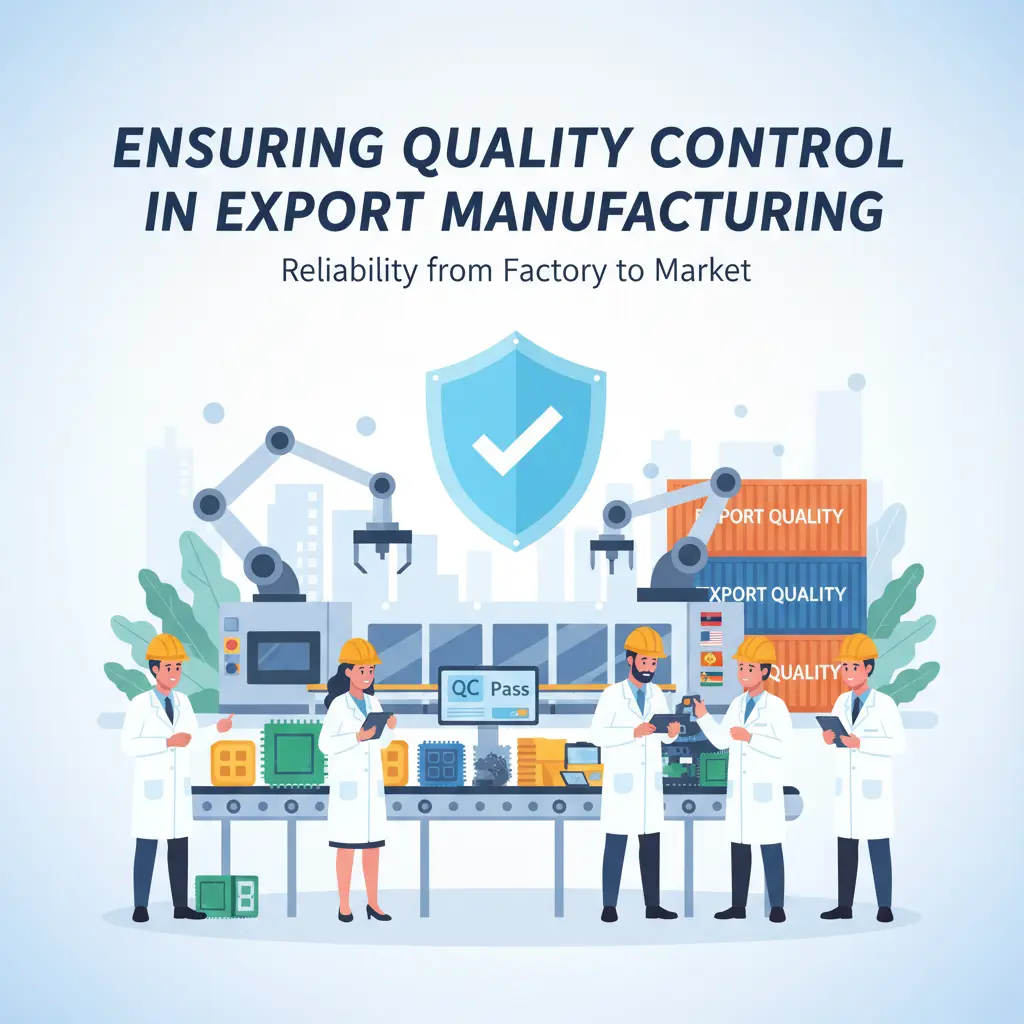
Ensuring Quality Control in Export Manufacturing
In the intricate world of global trade, maintaining consistently high-quality standards is paramount for the success of any export manufacturing business. Collaborating with international manufacturers and suppliers introduces unique challenges, from cultural differences to varied regulatory landscapes. Effective quality control isn’t just about meeting specifications; it’s about building trust, ensuring brand reputation, and fostering sustainable growth. At the heart of this endeavor lies a commitment to Supplier Transparency B2B, a critical element that underpins all successful quality initiatives.
Achieving this requires a multi-faceted approach, integrating robust systems, rigorous inspections, and strong supplier relationships. Without clear visibility into the supply chain, businesses risk encountering costly delays, product recalls, and damage to their market standing. Therefore, implementing proactive strategies to manage and monitor quality becomes indispensable for navigating the complexities of international sourcing and manufacturing.
1. Implementing Robust Quality Management Systems (QMS)
A strong foundation for quality control in export manufacturing begins with the implementation of a comprehensive Quality Management System (QMS). A QMS provides a structured framework for documenting processes, procedures, and responsibilities for achieving quality policies and objectives. For international collaboration, adhering to globally recognized standards like ISO 9001 is often a prerequisite, signaling a commitment to quality that resonates across borders. This involves not only setting clear quality benchmarks but also establishing detailed procedures for everything from raw material inspection to final product assembly and packaging.
Part of a robust QMS involves meticulously evaluating potential partners. Understanding how to vet international suppliers thoroughly is crucial. This extends beyond merely checking certifications; it includes on-site audits, assessment of their internal quality controls, and a review of their past performance. Integrating supply chain visibility solutions into your QMS allows for real-time tracking and monitoring of production stages, ensuring adherence to agreed-upon standards at every step. This proactive stance significantly reduces the likelihood of defects and ensures consistent product quality from diverse manufacturing locations.
2. Pre-shipment Inspections and Testing Protocols
Even with the most advanced QMS in place, verification remains a critical step. Pre-shipment inspections and rigorous testing protocols serve as the final gatekeepers for quality before products leave the factory floor. These inspections can include a range of checks: during production inspections (DPI) to identify issues early, final random inspections (FRI) to verify finished product quality, and container loading checks (CLC) to ensure proper packaging and quantity. The scope of these inspections should be clearly defined in service level agreements with suppliers.
Moreover, implementing comprehensive testing protocols, often conducted by independent third-party laboratories, ensures that products meet both specific technical standards and relevant international regulatory requirements. This could involve material testing, functionality tests, safety certifications, and compliance with market-specific regulations (e.g., CE marking for Europe, FCC for the US). Investing in these critical stages of quality control in export manufacturing mitigates risks, prevents costly re-works or returns, and protects your brand’s reputation. It’s a proactive measure that underlines your commitment to delivering flawless products to your customers globally.
3. Continuous Improvement and Supplier Relationship Management
Quality control is not a one-time event but an ongoing process of continuous improvement. Effective supplier relationship management (SRM) is pivotal in this regard. Beyond transactional exchanges, fostering long-term, collaborative relationships with international manufacturers encourages shared responsibility for quality. Regular performance reviews, feedback sessions, and joint problem-solving initiatives help identify areas for improvement and implement corrective actions swiftly. This collaborative spirit is a direct outcome of strong Supplier Transparency B2B.
Furthermore, integrating principles of ethical sourcing benefits the entire supply chain, promoting fair labor practices, environmental responsibility, and product integrity. Suppliers who align with these values are more likely to commit to higher quality standards and engage in transparent practices. By consistently evaluating supplier performance against key quality metrics and encouraging open communication, businesses can continuously refine their processes, adapt to market changes, and ultimately ensure sustained product excellence. This commitment to ongoing enhancement and strong partnerships solidifies your position as a reliable and high-quality provider in the global marketplace.
Partner with Vietnam’s Leading Suppliers
Looking for reliable suppliers in Vietnam? Contact VietnamSuppliers.com today to connect with verified manufacturers and exporters across all industries.
—————————————
References
– How to Build a More Resilient Supply Chain: https://hbr.org/2020/07/how-to-build-a-more-resilient-supply-chain
– Implementing the UN Guiding Principles on Business and Human Rights: https://www.unglobalcompact.org/library/2361
– Deloitte: The future of supply chain: Digital transformation: https://www2.deloitte.com/us/en/pages/manufacturing/articles/supply-chain-digital-transformation.html
– OECD Guidelines for Multinational Enterprises on Responsible Business Conduct: https://www.oecd.org/corporate/mne/
– ethical sourcing benefits: https://www.amfori.org/news/benefits-ethical-sourcing-and-due-diligence