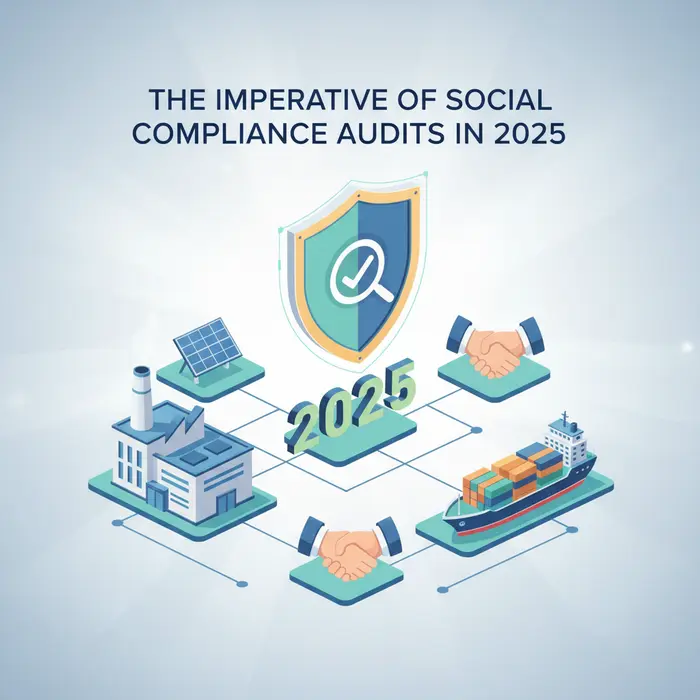
The Imperative of Social Compliance Audits in 2025
In the dynamic and increasingly interconnected world of global trade, the spotlight on corporate responsibility has never been brighter. As businesses navigate complex international supply chains, the need for robust supplier social compliance audits has transitioned from a best practice to an absolute imperative. In 2025, companies face an unprecedented confluence of evolving consumer demands for ethically produced goods, stringent regulatory pressures from governments worldwide, and the ever-present threat to brand reputation posed by even minor ethical lapses. Ensuring that every link in the supply chain adheres to high ethical sourcing standards is no longer just about avoiding scandal; it’s about building resilient, trustworthy, and future-proof operations that align with the values of modern commerce and society. Effective responsible supply chain management through diligent auditing is the cornerstone of sustainable global business.
1. Defining Supplier Social Compliance Audits
A supplier social compliance audit is a systematic and independent examination of a supplier’s workplace practices to determine whether they meet specified ethical and labor standards. These standards typically encompass a wide array of criteria, including fair wages, working hours, health and safety conditions, anti-discrimination policies, prevention of child labor, freedom of association, and environmental protection. The primary objective is to verify that a supplier operates in full adherence to international labor conventions, local laws, and the buying company’s own code of conduct. These audits are crucial components of B2B supplier audit requirements, providing buyers with the necessary transparency and assurance regarding the social and ethical performance of their manufacturing partners. By engaging in thorough assessments, businesses can identify potential risks, address non-compliance issues proactively, and foster continuous improvement in their supply chain’s ethical footprint. It’s a proactive measure to safeguard both human rights and business integrity, acting as a critical due diligence step in international procurement.
2. Why Social Compliance is No Longer Optional
The notion that social compliance is merely an optional add-on has been thoroughly debunked by the realities of the 21st-century marketplace. Firstly, heightened consumer awareness and activism mean that modern consumers are increasingly making purchasing decisions based not just on price or quality, but on the ethical credentials of a brand. They demand transparency and expect companies to ensure their products are made under humane and fair conditions. Brands found to be associated with labor abuses or unethical practices face swift and severe public backlash, leading to boycotts, sales declines, and long-term damage to their image. Secondly, the regulatory landscape is rapidly evolving. Governments are introducing stricter legislation, such as supply chain due diligence laws, which hold companies accountable for human rights abuses occurring anywhere in their supply chain. Failure to comply can result in substantial fines and legal penalties. For instance, the growing emphasis on ESG (Environmental, Social, and Governance) factors by investors also means that strong social compliance is vital for attracting capital and demonstrating long-term value. Embracing ethical sourcing standards is therefore not just a moral imperative, but a strategic business necessity for survival and growth. This proactive approach helps mitigate risks and builds a resilient reputation. For businesses operating in global markets, staying ahead of these trends by actively performing supplier social compliance audits is paramount.
3. The Evolving Landscape of Global Trade
The complexities of global trade in 2025 demand sophisticated responsible supply chain management strategies. Geopolitical shifts, increased scrutiny on forced labor, and the expansion of digital traceability tools are reshaping how businesses interact with their suppliers. Companies are now expected to demonstrate robust export compliance due diligence, extending beyond product safety and customs regulations to encompass the social and ethical dimensions of production. This involves not only initial audit verification but ongoing monitoring and collaboration with suppliers to foster a culture of compliance. The integration of technology, such as blockchain for supply chain transparency, is also becoming more prevalent, offering granular insights into product origins and manufacturing processes. Furthermore, global challenges like climate change and pandemics have underscored the vulnerability of fragmented supply chains, emphasizing the need for robust ethical frameworks that can withstand external shocks. Organizations like the International Labour Organization (ILO) continue to set benchmarks for fair labor practices, influencing national legislations and corporate policies alike. As the world becomes more interconnected, the onus is on businesses to ensure their entire ecosystem operates with integrity. This commitment to transparency and ethical operations is what distinguishes market leaders and ensures long-term sustainability in an increasingly discerning global marketplace.
Core Pillars of Ethical Sourcing Standards
Ethical sourcing has evolved from a niche concern to a fundamental requirement for businesses operating in a globalized economy. It represents a commitment to conducting business in a manner that respects human rights, promotes fair labor practices, and minimizes environmental impact throughout the supply chain. For companies engaging in international trade, particularly those importing from developing nations, understanding and implementing robust ethical sourcing standards is not just about corporate social responsibility; it’s a critical component of risk management, brand reputation, and ensuring business continuity. These standards form the backbone of a comprehensive Supplier Social Compliance Audit, providing a measurable framework against which suppliers are evaluated. Adhering to these principles is essential for responsible supply chain management and meeting B2B supplier audit requirements, ultimately fostering trust and ensuring export compliance due diligence. This section explores the core pillars that define ethical sourcing, directly linking them to the criteria applied during social compliance audits.
Labor Practices: Wages, Hours, & Child Labor
The cornerstone of any ethical sourcing standard lies in fair labor practices. This pillar ensures that workers are treated with dignity and respect, protected from exploitation, and afforded fundamental rights. During a social compliance audit, auditors meticulously examine several key areas:
- Wages and Benefits: Suppliers must demonstrate that they pay at least the minimum wage mandated by local law, or the industry’s prevailing wage, whichever is higher. This also extends to overtime pay, statutory benefits, and deductions. Payroll records must be transparent, ensuring fair and understandable compensation.
- Working Hours: Excessive working hours are a common issue in global supply chains. Ethical standards typically align with international conventions, limiting regular working hours and mandating rest days. Overtime must be voluntary, compensated at a premium rate, and not exceed legal limits.
- Child Labor: The prohibition of child labor is an absolute non-negotiable. Ethical sourcing standards strictly forbid the employment of individuals below the legal working age (typically 15, or higher in some jurisdictions or for hazardous work). Audits involve age verification processes, reviewing birth records, and conducting interviews to ensure no child labor is present. Furthermore, companies are expected to have policies for remediation if child labor is discovered. The International Labour Organization (ILO) provides comprehensive conventions and recommendations that serve as benchmarks for acceptable labor practices worldwide.
- Forced Labor: Equally critical is the prohibition of forced, bonded, or involuntary prison labor. Workers must be free to leave their employment upon reasonable notice, without fear of retaliation or confiscation of personal documents.
- Discrimination & Harassment: Policies against discrimination based on race, gender, religion, age, disability, sexual orientation, nationality, or any other protected characteristic are evaluated. A workplace free from harassment and abuse is essential.
- Freedom of Association & Collective Bargaining: Workers must have the right to form and join unions of their own choosing and to bargain collectively. Suppliers must not interfere with these rights.
Health & Safety: Workplace Conditions
A safe and healthy working environment is a fundamental human right and a critical component of ethical sourcing. This pillar focuses on protecting workers from occupational hazards and ensuring their well-being. Supplier Social Compliance Audit requirements dictate thorough inspections of facilities to assess:
- Hazard Identification and Risk Assessment: Suppliers must have systems in place to identify potential workplace hazards (e.g., machinery, chemicals, noise, dust) and implement measures to mitigate risks.
- Emergency Preparedness: This includes accessible and clearly marked emergency exits, functional fire suppression systems, trained first-aid personnel, and regular emergency drills.
- Personal Protective Equipment (PPE): Workers must be provided with, and adequately trained in the use of, appropriate PPE for their tasks (e.g., safety glasses, gloves, respirators).
- Sanitation and Hygiene: Access to clean drinking water, clean and functional restrooms, and adequate lighting and ventilation are basic requirements. Dormitory conditions, if applicable, are also scrutinized for cleanliness, safety, and privacy.
- Machine Guarding and Electrical Safety: Equipment must be properly maintained and fitted with necessary safety guards to prevent accidents. Electrical systems must be safe and conform to local regulations.
- Chemical Storage and Handling: Proper labeling, storage, and handling of hazardous chemicals, along with training for workers exposed to them, are essential.
Meeting these B2B supplier audit requirements not only protects workers but also reduces operational risks and potential liabilities for both the supplier and the purchasing company.
Environmental Responsibility in Production
Ethical sourcing extends beyond social considerations to encompass the environmental impact of production processes. Responsible supply chain management demands that suppliers operate in an environmentally conscious manner, minimizing their footprint and contributing to sustainable development. Export compliance due diligence increasingly includes environmental performance as a key metric. Audits in this area focus on:
- Waste Management: Effective systems for identifying, segregating, reducing, reusing, and recycling waste (solid, liquid, and hazardous) are assessed. Proper disposal methods for non-recyclable waste, in compliance with local regulations, are verified.
- Emissions and Discharges: Suppliers must monitor and control air emissions and wastewater discharges to ensure they meet legal limits and minimize pollution.
- Resource Efficiency: Efforts to conserve natural resources, such as water and energy, are evaluated. This can include implementing energy-efficient machinery and optimizing water usage in production processes.
- Chemical Management: Beyond worker safety, the environmental impact of chemicals used in production is a major concern. Audits ensure responsible procurement, storage, and disposal of chemicals to prevent contamination.
- Environmental Management Systems (EMS): The presence of an EMS (e.g., ISO 14001 certification or a similar internal system) demonstrates a systematic approach to managing environmental responsibilities. Auditors look for documented policies, objectives, and procedures related to environmental performance.
By integrating environmental criteria into ethical sourcing standards, businesses promote sustainable manufacturing practices, mitigate ecological risks, and enhance their brand’s commitment to global citizenship.
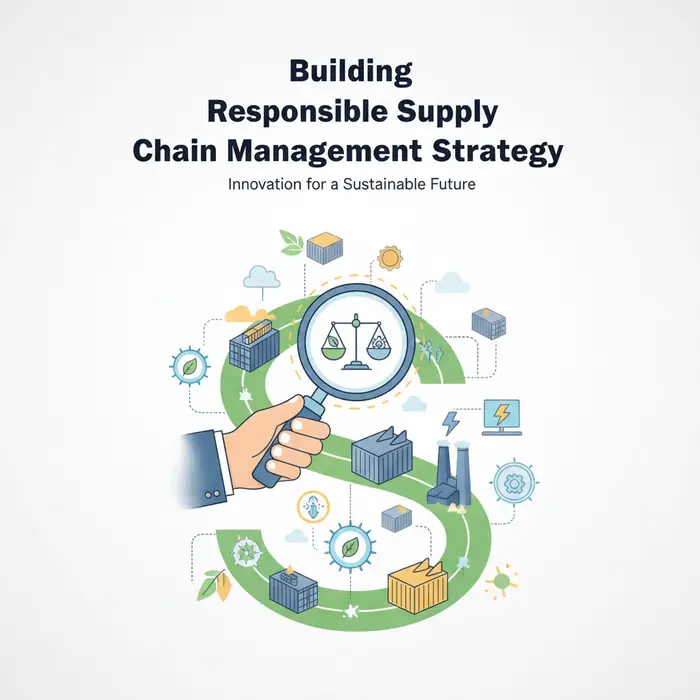
Building a Responsible Supply Chain Management Strategy
In today’s interconnected global economy, establishing a truly responsible supply chain is no longer an option but a strategic imperative. Consumers, investors, and regulators alike demand greater transparency and accountability from companies regarding their sourcing practices. This necessitates a fundamental shift in how businesses approach supply chain management, moving beyond mere reactive compliance to proactive integration of social responsibility. An effective strategy goes beyond one-off audits, embedding ethical sourcing standards and continuous improvement into the core of operations. By doing so, companies not only mitigate risks but also build resilient, sustainable, and reputation-enhancing supply chains.
Integrating social compliance effectively means evolving past a check-the-box mentality to foster genuine commitment among all partners. This comprehensive approach to responsible supply chain management is crucial for navigating complex international regulations, upholding human rights, and ensuring environmental stewardship. It transforms the traditional transactional relationship with suppliers into a collaborative partnership focused on shared values and long-term sustainability, making proactive engagement a cornerstone of success.
1. Risk Assessment & Vendor Selection
The foundation of a responsible supply chain strategy lies in thorough risk assessment and meticulous vendor selection. This initial phase is critical for identifying and mitigating potential social and environmental risks before they become entrenched. Companies must move beyond simple cost considerations to evaluate potential suppliers based on their commitment to ethical sourcing standards, labor practices, environmental impact, and adherence to international regulations. This often involves detailed B2B supplier audit requirements that delve into a vendor’s policies, procedures, and actual practices concerning worker rights, safety, and wages.
Effective due diligence extends to assessing a supplier’s capacity for export compliance due diligence, particularly for global operations where varying legal frameworks apply. This includes evaluating their understanding and implementation of anti-slavery and anti-child labor laws, fair wage policies, and non-discrimination principles. A robust Supplier Social Compliance Audit at this stage is indispensable. It provides a baseline assessment of a vendor’s current compliance status, identifying red flags and areas for improvement. By prioritizing vendors who demonstrate a strong commitment to social responsibility from the outset, companies lay the groundwork for a more compliant and ethical supply chain, minimizing future liabilities and reputational damage.
2. Continuous Monitoring & Improvement
Achieving a truly responsible supply chain is not a one-time event; it demands persistent vigilance through continuous monitoring and a commitment to ongoing improvement. Once suppliers are onboarded, the focus shifts from initial vetting to sustained oversight. This involves implementing regular and, often, unannounced Supplier Social Compliance Audit programs designed to verify adherence to established ethical sourcing standards and identify any emerging issues. Monitoring should be dynamic, incorporating a mix of on-site inspections, document reviews, worker interviews, and performance data analysis.
Beyond traditional audits, a progressive approach integrates technology-driven solutions, such as remote monitoring tools and data analytics platforms, to track key social and environmental performance indicators in real-time. Crucially, the goal is not merely to detect non-compliance but to facilitate corrective actions and foster continuous improvement. This means working with suppliers to develop and implement robust corrective action plans, providing training and resources where needed, and tracking progress over time. A transparent feedback loop ensures that suppliers understand expectations and are supported in their journey towards higher standards, reinforcing the principles of responsible supply chain management.
3. Collaboration with Suppliers
A sustainable and ethical supply chain is built on a foundation of genuine partnership and collaboration, rather than adversarial enforcement. Moving beyond a punitive audit culture, companies must foster an environment where suppliers feel empowered and supported to achieve higher social compliance standards. This collaborative approach involves open communication, mutual respect, and a shared understanding of responsibilities. It’s about building long-term relationships where both parties are invested in the success of the responsible supply chain management strategy.
Key to this collaboration is providing suppliers with the necessary resources and capacity-building initiatives. This can include training programs on specific ethical sourcing standards, best practices in labor management, health and safety protocols, or even guidance on navigating complex export compliance due diligence requirements. By sharing expertise and investing in supplier development, companies enable their partners to proactively address compliance gaps and implement sustainable improvements independently. This partnership approach not only enhances the effectiveness of every Supplier Social Compliance Audit but also cultivates a culture of integrity and shared values throughout the entire supply chain, leading to more resilient, ethical, and commercially successful outcomes for all involved.
Navigating B2B Supplier Audit Requirements
In an increasingly interconnected and transparent global economy, B2B supplier audits are no longer just a compliance checkbox but a cornerstone of Supplier Social Compliance Audit and responsible business practices. For companies sourcing globally, particularly from developing markets, robust audit processes are essential to ensure ethical sourcing standards, mitigate risks, and uphold brand reputation. This section delves into the practical aspects of conducting and responding to B2B supplier audits, covering common methodologies, crucial preparation steps, and effective post-audit actions, all vital for robust responsible supply chain management.
1. Common Audit Methodologies (e.g., SMETA, SA8000)
Understanding the landscape of audit methodologies is the first step in navigating B2B supplier audit requirements. These frameworks provide standardized approaches, ensuring consistency and credibility across diverse supply chains. Two prominent methodologies often encountered include:
- SMETA (Sedex Members Ethical Trade Audit): Developed by Sedex, one of the world’s leading ethical trade service providers, SMETA is a widely recognized audit methodology. It focuses on four pillars: Labour Standards, Health & Safety, Environment (a condensed version or extended version), and Business Ethics. SMETA is not a certification but rather a robust audit protocol that allows businesses to assess their suppliers against internationally recognized labor, health and safety, environmental, and business ethics practices. Its detailed reporting and corrective action plan (CAPA) requirements make it a powerful tool for transparency and improvement. For more detailed information on its principles and applications, you can consult the official Sedex SMETA Audit resources.
- SA8000: Unlike SMETA, SA8000 is a certifiable standard for social accountability. Developed by Social Accountability International (SAI), it is based on the principles of international human rights norms and national labor laws. SA8000 addresses critical areas such as child labor, forced or compulsory labor, health and safety, freedom of association and right to collective bargaining, discrimination, disciplinary practices, working hours, remuneration, and management systems. Achieving SA8000 certification signifies a supplier’s commitment to maintaining specific social performance criteria and a management system to ensure continuous compliance.
Other methodologies, such as BSCI (Business Social Compliance Initiative), RBA (Responsible Business Alliance), and brand-specific codes of conduct, also play significant roles, often sharing common principles with SMETA and SA8000, emphasizing the widespread industry commitment to ethical sourcing standards.
2. Preparing for an Audit: Documentation & Training
Proactive and thorough preparation is paramount to a successful B2B supplier audit. Whether it’s an initial assessment or a re-audit, suppliers must be ready to demonstrate compliance across all relevant criteria. This preparation typically involves two key areas:
- Documentation: Auditors will meticulously review a wide array of documents to verify stated policies and practices. Key documentation typically includes:
- Human Resources Records: Employment contracts, payroll records (including overtime calculations, benefits, and deductions), age verification documents, timekeeping records, grievance logs, and disciplinary action records.
- Health & Safety Policies: Risk assessments, emergency preparedness plans, training records (e.g., fire safety, first aid), accident reports, and permits for hazardous machinery or materials.
- Environmental Records: Environmental permits, waste management records, energy and water consumption data, and pollution control measures.
- Business Operations: Business licenses, production records, sub-contractor agreements, and import/export documentation, crucial for demonstrating export compliance due diligence.
- Management Systems: Records of management review, internal audit reports, and records of corrective actions taken.
Accuracy, completeness, and accessibility of these documents are crucial. Discrepancies or missing records can raise red flags and lead to non-conformities.
- Training: Beyond paperwork, a supplier’s staff must be knowledgeable and prepared. This involves:
- Awareness Training: Ensuring all employees, from management to factory floor workers, understand the company’s policies on labor rights, health and safety, and environmental protection.
- Audit Protocol Training: Preparing key personnel who will interact with auditors on how to present documents, answer questions truthfully and transparently, and guide facility tours.
- Internal Self-Assessments: Conducting mock audits to identify potential gaps or non-compliances before the official audit, allowing for pre-emptive corrective actions.
A well-trained team instills confidence and demonstrates a genuine commitment to compliance.
3. Post-Audit Actions: CAPA Plans & Follow-ups
The audit report is not the end of the process; it’s often the beginning of a crucial improvement cycle. Post-audit actions are critical for addressing findings and ensuring sustained compliance.
- CAPA (Corrective and Preventive Action) Plans: Upon receiving the audit report, which will detail findings, observations, and non-conformities, the supplier must develop a comprehensive CAPA plan. This plan should:
- Identify Root Causes: Go beyond surface-level issues to understand why non-conformities occurred.
- Develop Corrective Actions: Outline specific, measurable, achievable, relevant, and time-bound (SMART) actions to rectify each non-conformity. For instance, if excessive working hours were found, the corrective action might be to revise production planning and hire additional staff.
- Develop Preventive Actions: Implement measures to ensure the non-conformity does not recur. This might involve updating policies, implementing new training programs, or enhancing monitoring systems.
- Assign Responsibility & Deadlines: Clearly assign ownership for each action and set realistic completion dates.
The CAPA plan demonstrates the supplier’s commitment to continuous improvement and its proactive approach to responsible supply chain management.
- Follow-ups: After the CAPA plan is submitted, the auditing body or the buying company will typically conduct follow-up verification. This can range from reviewing submitted evidence (photos, updated documents, new policies) to conducting a partial or full re-audit. The goal is to verify that corrective actions have been effectively implemented and sustained. Continuous monitoring and regular internal reviews are essential to maintain compliance and prepare for future audits, reinforcing the long-term commitment to ethical sourcing standards and overall supply chain integrity.
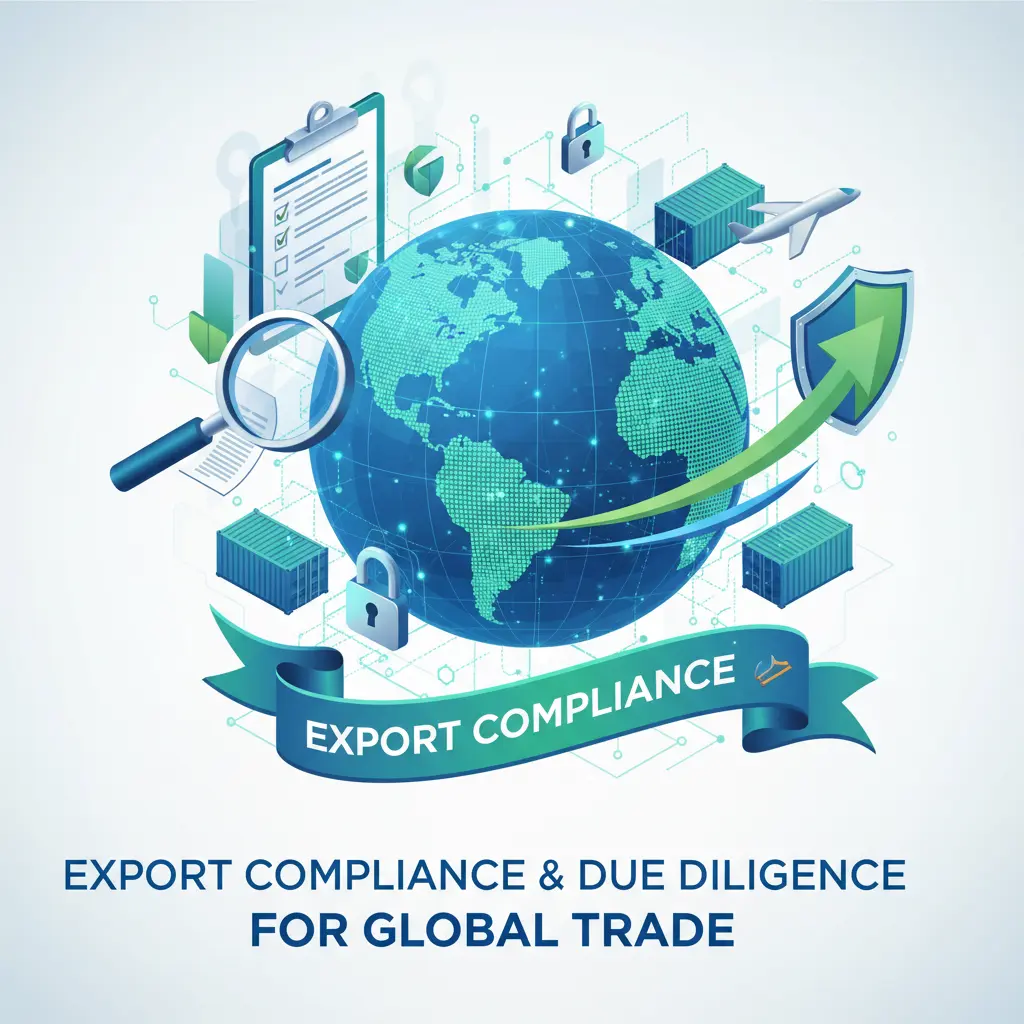
Export Compliance & Due Diligence for Global Trade
In the intricate landscape of global trade, businesses face a formidable challenge: navigating complex export compliance regulations while simultaneously upholding robust ethical standards across their supply chains. The critical link between comprehensive supplier social compliance audits and broader export compliance is paramount, not only for ensuring international trade legality but also for mitigating significant risks and safeguarding invaluable global market access. This section will delve into how proactive due diligence, particularly through rigorous social compliance, forms the bedrock of a resilient and responsible international trading strategy.
1. Understanding International Trade Regulations
Understanding and adhering to international trade regulations is the first line of defense in global commerce. These regulations encompass a vast array of laws, including export controls, sanctions, customs requirements, and anti-bribery statutes, all designed to govern the movement of goods, technology, and services across borders. Violations, whether direct or indirect, can lead to severe penalties, reputational damage, and even loss of export privileges. A crucial, often overlooked, aspect of this compliance framework is the origin and production of goods within the supply chain. For instance, regulations targeting forced labor, such as those implemented by the U.S. Customs and Border Protection, directly necessitate robust ethical sourcing standards. Without a thorough supplier social compliance audit, companies risk inadvertently importing goods produced under prohibited conditions, triggering severe legal and financial repercussions. Such audits ensure that suppliers meet internationally recognized labor laws and human rights standards, forming an indispensable part of overall export control and sanctions compliance. Staying abreast of these dynamic regulations, particularly those related to export control and sanctions, is vital for any company engaged in international trade.
2. Mitigating Reputational & Legal Risks
The stakes in global trade extend far beyond financial penalties. Reputational and legal risks associated with non-compliance can inflict long-lasting damage on a brand, eroding consumer trust and investor confidence. A single instance of a supplier engaging in unethical practices—be it forced labor, environmental violations, or unsafe working conditions—can directly link back to the importing company, irrespective of geographical distance. This is where comprehensive responsible supply chain management becomes indispensable. Implementing rigorous supplier social compliance audits serves as a proactive shield, verifying that all tiers of the supply chain adhere to agreed-upon ethical and legal parameters. For B2B supplier audit requirements, this typically involves detailed assessments of labor practices, health and safety, environmental impact, and business ethics. By taking a proactive stance, companies not only avoid costly fines and legal battles but also reinforce their commitment to ethical business practices, fostering a positive brand image and ensuring sustained market access in an increasingly conscientious global marketplace.
3. Due Diligence Best Practices for New Markets
Expanding into new international markets presents exciting opportunities but also introduces a fresh set of compliance challenges. Effective due diligence is not merely a formality but a strategic imperative for seamless market entry and sustainable growth. When venturing into new territories, businesses must go beyond standard financial and legal checks. They need to conduct in-depth cultural, political, and regulatory landscape assessments specific to that region. This includes understanding local labor laws, environmental regulations, and specific export and import control regimes. A critical component of this expanded due diligence is establishing comprehensive export compliance due diligence, which includes a robust framework for assessing potential suppliers. Best practices involve pre-screening potential partners through a combination of self-assessments, third-party audits, and on-site visits to verify their adherence to international and local standards. Furthermore, continuous monitoring and periodic supplier social compliance audits are essential, as regulations and local conditions can evolve rapidly. Integrating these practices ensures that a company’s expansion is not only profitable but also ethically sound and legally compliant, safeguarding its global operations against unforeseen risks.
Partner with Vietnam’s Leading Suppliers
Looking for reliable suppliers in Vietnam? Contact VietnamSuppliers.com today to connect with verified manufacturers and exporters across all industries.
—————————————
References
– International Labour Organization: https://www.ilo.org/
– International Labour Organization (ILO) on Child Labour: https://www.ilo.org/global/standards/subjects-covered-by-international-labour-standards/child-labour/lang–en/index.htm
– ILO Declaration on Fundamental Principles and Rights at Work: https://www.ilo.org/declaration/lang–en/index.htm
– Sedex SMETA Audit: https://www.sedex.com/our-solutions/smeta-audit/
– export control and sanctions compliance: https://www.bis.doc.gov/index.php/regulations/export-administration-regulations-ear