
Setting the Foundation for Private Label Success
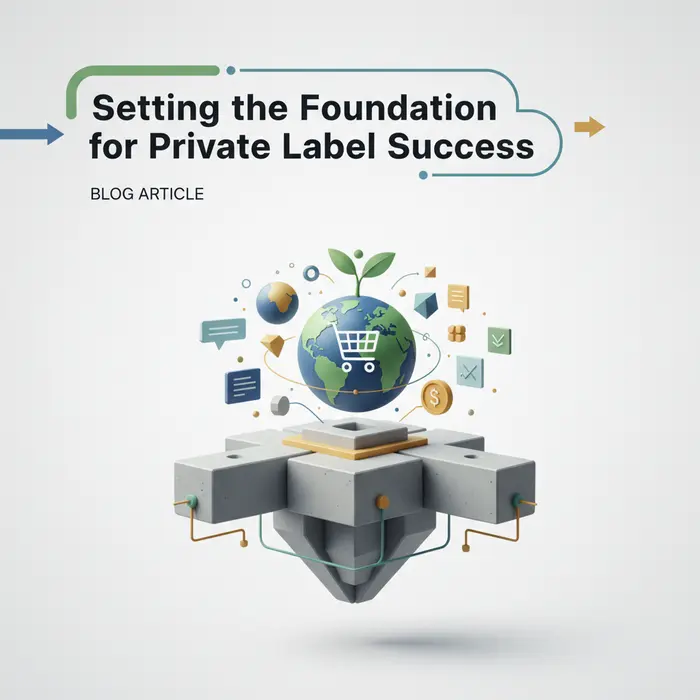
Embarking on the journey of private label manufacturing requires more than just a great product idea; it demands a robust Private Label Manufacturing Success Strategy. Before diving into design and production, laying a solid strategic foundation is paramount. This initial phase involves meticulous planning, comprehensive research, and a clear understanding of your brand’s place in the market. It’s about building a blueprint that guides every subsequent step, from supplier selection to market launch, ensuring efficiency, quality, and ultimately, profitability. Without this groundwork, even the most innovative products can struggle to find their footing.
1. Defining Your Brand Vision & Market Niche
The very first step in any private label endeavor is to crystalize your brand’s identity and pinpoint its unique market niche. This isn’t merely about choosing a name and logo; it’s about articulating your brand’s core values, mission, and the unique promise you intend to deliver to your customers. Who are you serving? What problem are you solving? What makes your brand different? Answering these questions rigorously helps in shaping product features, marketing messages, and overall customer experience.
Identifying your market niche involves a deep dive into untapped opportunities or underserved segments. Perhaps there’s a specific demographic whose needs aren’t fully met, or a demand for a product with a particular feature set or ethical sourcing. Once this niche is defined, it becomes the guiding star for all subsequent decisions. Brand development through OEM collaboration becomes crucial here, as a well-chosen OEM partner can help translate this abstract vision into tangible product specifications, advising on materials, design, and functionality that align perfectly with your brand identity and target market expectations. Their expertise can significantly accelerate the process of bringing your unique vision to life.
2. Understanding Product Development Lifecycle
With your brand vision in place, the next critical phase involves understanding the intricate product development lifecycle. This comprehensive process typically encompasses ideation, concept development, design, prototyping, testing, manufacturing, and ultimately, market launch. Each stage demands careful planning and execution to ensure the final product meets both your quality standards and customer expectations. A robust understanding of this lifecycle helps in anticipating challenges, setting realistic timelines, and managing resources effectively.
Central to this phase is the selection of a manufacturing partner. A detailed OEM supplier selection guide can be indispensable, as the right partner can make or break your private label venture. You need a manufacturer that not only possesses the technical capability to produce your product but also aligns with your brand’s values, offers competitive pricing, ensures quality control, and can scale production as needed. Many businesses explore International private label sourcing to leverage cost efficiencies, access specialized expertise, or tap into specific raw material availability. The Benefits of OEM partnerships extend beyond mere production; they often include design assistance, material procurement, quality assurance, and logistics support, streamlining the entire development process and allowing you to focus on branding and sales.
3. Market Research & Competitor Analysis
Before committing significant resources to manufacturing, thorough market research and competitor analysis are indispensable elements of a Private Label Manufacturing Success Strategy. This investigative phase provides invaluable insights into market trends, consumer preferences, pricing strategies, and the competitive landscape. Understanding what your potential customers desire, what they are currently buying, and what gaps exist in the market allows you to refine your product offering and position it for maximum impact.
Techniques like surveys, focus groups, and analyzing online reviews can reveal consumer pain points and unmet needs. Simultaneously, a deep dive into your competitors’ offerings — their product features, pricing models, marketing tactics, and distribution channels — helps you identify opportunities for differentiation. Are there quality issues with existing products you can resolve? Can you offer a better value proposition? This analytical approach not only informs your product development decisions but also guides your marketing and sales strategies, ensuring your private label product is launched with a clear competitive advantage. By understanding the environment you’re entering, you significantly increase your chances of sustained growth and success.
Mastering OEM Supplier Selection: A Critical Guide
In the competitive landscape of modern commerce, the pursuit of a robust Private Label Manufacturing Success Strategy hinges critically on one foundational element: the astute selection of an Original Equipment Manufacturer (OEM). This process is far more than simply finding a producer; it’s about forging a strategic partnership that will define your brand’s quality, reliability, and market positioning. For businesses aiming for brand development through OEM collaboration, mastering the art of OEM supplier selection is paramount. It involves a meticulous journey of identification, rigorous vetting, and ultimately, partnering with the right entity that aligns with your vision and values. Effective international private label sourcing, especially, demands a comprehensive OEM supplier selection guide to navigate diverse markets and regulatory environments. The benefits of OEM partnerships are vast, from reduced production costs to faster market entry, but these advantages are only fully realized when the right partner is chosen. This guide delves into the essential steps to ensure you build a resilient and successful private label brand.
1. Criteria for Vetting Potential OEM Partners
The initial phase of securing a reliable OEM involves establishing a clear set of criteria against which all potential partners will be evaluated. Quality is often the foremost consideration; look for OEMs with robust Quality Management Systems (QMS), evidenced by certifications such as ISO 9001. Enquire about their internal quality control processes, defect rates, and how they handle non-conforming products. Production capacity and scalability are equally vital – can they meet your current demand, and more importantly, can they grow with your brand? A factory’s ability to scale up without compromising quality is a significant indicator of long-term viability. Communication and transparency are intangible yet critical factors; a responsive OEM willing to provide regular updates and openly discuss challenges fosters a much stronger partnership. Evaluate their experience in your specific product category, ensuring they possess the necessary technical expertise and understanding of industry standards. Finally, assess their financial stability and ethical practices, including their commitment to fair labor laws and environmental sustainability, which can significantly impact your brand’s reputation.
2. Due Diligence & Background Checks
Once you’ve identified a shortlist of potential OEMs based on your initial criteria, the next crucial step is conducting thorough due diligence and background checks. This phase goes beyond self-reported information and involves verifying claims and assessing potential risks. Factory audits are indispensable; ideally, these should involve an on-site visit to inspect their facilities, production lines, equipment maintenance, and overall operational efficiency. If an on-site visit isn’t feasible, consider engaging third-party inspection services. Request and verify references from their existing clients, paying close attention to feedback regarding product quality, delivery consistency, and communication effectiveness. Legal and financial checks are also paramount. Confirm their business registration, licensing, and any history of litigation or regulatory issues. Understanding their financial health can prevent future disruptions caused by instability. Furthermore, delve into their supply chain management – knowing where they source their raw materials and components can provide insights into potential quality variations and ethical considerations. A comprehensive background check mitigates risks and builds confidence in your chosen partner, aligning with best practices in supply chain risk management as highlighted by institutions like NIST (National Institute of Standards and Technology).
3. Negotiating Contracts & MOUs
The culmination of your vetting process leads to the critical stage of negotiating contracts and Memoranda of Understanding (MOUs). A well-drafted contract serves as the backbone of your OEM partnership, clearly outlining responsibilities, expectations, and protective clauses. Key elements to meticulously define include pricing structures, payment terms (e.g., upfront deposits, progress payments, final payments), and precise delivery schedules with penalties for delays. Embed stringent quality control clauses, specifying acceptance criteria, inspection protocols, and a clear process for handling defects, returns, and warranties. Intellectual property (IP) protection is non-negotiable; ensure robust clauses are in place to safeguard your designs, trademarks, and proprietary information. Confidentiality agreements (NDAs) should also be established to protect sensitive business information. Define minimum order quantities (MOQs) and potential pricing tiers for larger volumes. Crucially, include termination clauses, outlining conditions under which either party can exit the agreement, along with dispute resolution mechanisms like arbitration or mediation. A comprehensive and unambiguous contract protects both parties and lays a solid foundation for a mutually beneficial and long-lasting OEM partnership, vital for any brand development through OEM collaboration.
Brand Development Through OEM Collaboration
In today’s competitive global market, establishing and growing a brand requires more than just innovative products; it demands strategic foresight and efficient execution. For businesses looking to expand their footprint, enhance product offerings, and accelerate market entry, strategic partnerships with Original Equipment Manufacturers (OEMs) present a powerful pathway. This approach, often central to a robust Private Label Manufacturing Success Strategy, allows brands to significantly accelerate and enhance their growth and market presence by leveraging external expertise and resources.
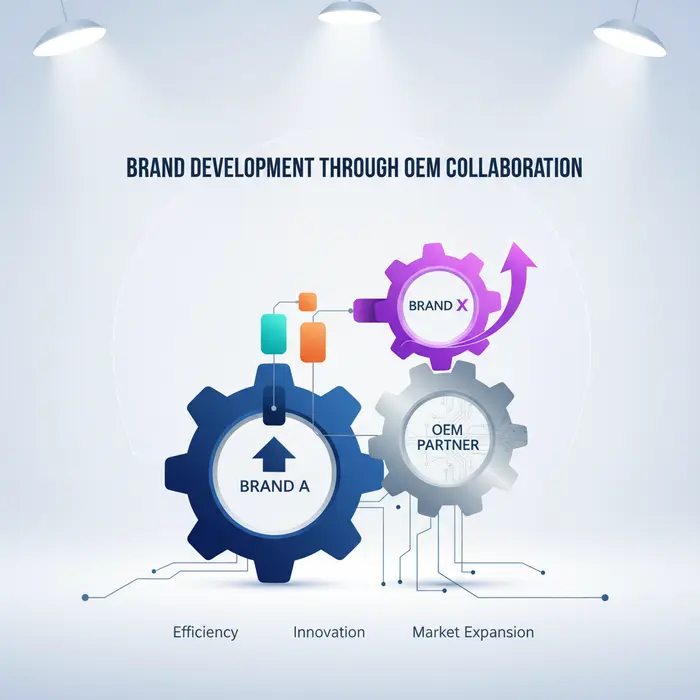
The Benefits of OEM partnerships extend far beyond simple manufacturing outsourcing. They encompass a collaborative ecosystem where brands can tap into specialized capabilities, reduce operational overheads, and focus more intensely on core competencies like marketing and distribution. Effective Brand development through OEM collaboration transforms the supply chain from a mere cost center into a strategic advantage, enabling agility and innovation that might otherwise be unattainable.
1. Co-creation & Customization Opportunities
One of the most compelling aspects of collaborating with OEMs is the unparalleled potential for co-creation and product customization. Brands are no longer limited to off-the-shelf solutions but can actively participate in designing and refining products to meet precise market demands. This bespoke approach allows for the development of unique features, distinct aesthetics, and specialized functionalities that differentiate a brand from its competitors. Whether it’s a specific material choice, an innovative ergonomic design, or a unique packaging solution, OEMs provide the flexibility and manufacturing prowess to bring these custom visions to life. This level of customization is crucial for catering to niche markets, testing new product concepts, and building a strong, recognizable brand identity that resonates deeply with target consumers. It empowers brands to be truly agile, responding swiftly to evolving consumer preferences and market trends, thereby solidifying their Private Label Manufacturing Success Strategy through distinctive offerings.
2. Leveraging OEM Expertise for Innovation
OEMs often possess deep industry knowledge, cutting-edge research and development capabilities, and access to advanced manufacturing technologies that individual brands might find prohibitively expensive to develop in-house. By partnering with an OEM, a brand can effectively ‘rent’ this expertise, gaining access to innovation without significant capital investment. This is particularly vital in rapidly evolving sectors where staying ahead of technological advancements is paramount. An effective OEM supplier selection guide will emphasize evaluating a partner’s R&D strength, their track record for innovation, and their ability to integrate new technologies seamlessly. Furthermore, for brands engaged in International private label sourcing, OEMs can offer invaluable insights into global supply chain efficiencies, compliance requirements, and cost-effective production methods. This collaborative innovation not only shortens time-to-market for new products but also significantly enhances product quality and performance. Embracing an OEM’s innovative capabilities allows brands to continuously refresh their product lines, introduce breakthrough features, and maintain a competitive edge, thereby amplifying their market presence, as highlighted in the strategic advantages of private label growth. The Rise Of Private-Label Brands And How Businesses Can Leverage Them illustrates how these partnerships are driving market share for private labels.
3. Ensuring Brand Consistency & IP Protection
Maintaining brand consistency across all product lines and safeguarding intellectual property (IP) are critical concerns for any growing brand. Strategic OEM partnerships address these by integrating robust quality control and stringent contractual agreements. A reputable OEM understands the importance of adhering to precise specifications, ensuring that every product manufactured aligns perfectly with the brand’s established quality standards and design ethos. This meticulous attention to detail is vital for preserving brand reputation and customer trust. Furthermore, protecting intellectual property – including designs, formulations, and proprietary technologies – is paramount. Comprehensive legal agreements, non-disclosure agreements (NDAs), and clear clauses regarding IP ownership and usage are non-negotiable elements of any successful OEM collaboration. These frameworks provide the necessary security and confidence, allowing brands to innovate freely without fear of unauthorized replication or misuse. Through careful OEM supplier selection guide and continuous oversight, brands can ensure that their unique identity is consistently reflected in every product, while their innovations remain securely protected, reinforcing effective Brand development through OEM collaboration.
Navigating International Private Label Sourcing
In today’s interconnected global economy, a robust Private Label Manufacturing Success Strategy increasingly hinges on the ability to effectively source products from international markets. This approach offers unparalleled opportunities for cost savings, access to specialized manufacturing capabilities, and accelerated product development. However, it also introduces complexities that demand careful planning and execution. Successful international private label sourcing transforms a brand’s potential, moving beyond local limitations to embrace a world of possibilities. It’s a strategic pivot that, when managed correctly, becomes a cornerstone of sustainable growth and competitive advantage. The journey involves a meticulous OEM supplier selection guide, fostering robust benefits of OEM partnerships that are vital for brand development through OEM collaboration.
1. Identifying Key Global Manufacturing Hubs
The first critical step in international private label sourcing is accurately identifying the global manufacturing hubs best suited for your product category. Different regions specialize in different industries, offering unique advantages in terms of cost, quality, and production capacity. For instance, Southeast Asia, particularly Vietnam and Thailand, excels in apparel, footwear, and furniture, while China remains a powerhouse for electronics, textiles, and a vast array of consumer goods. India has emerged as a significant player in pharmaceuticals, textiles, and certain machinery components, while countries in Eastern Europe are gaining traction for niche manufacturing, automotive parts, and high-precision engineering. An effective OEM supplier selection guide emphasizes thorough research, including vetting potential partners for ethical labor practices, quality control standards, and their technological capabilities. Engaging with local trade commissions or industry associations can provide invaluable insights into a region’s manufacturing landscape and help in making informed decisions for sustainable brand development through OEM collaboration.
2. Logistics, Shipping & Supply Chain Management
Once a manufacturing partner is selected, the next challenge lies in efficiently managing the logistics, shipping, and overall supply chain from the point of production to your market. This involves a complex interplay of freight forwarding, customs clearance, warehousing, and inventory management. Businesses must evaluate various shipping methods – sea freight for cost-effectiveness and large volumes, or air freight for speed and high-value, time-sensitive goods. A robust supply chain management strategy is essential to minimize delays, reduce costs, and maintain product integrity. This includes negotiating favorable shipping rates, choosing reliable logistics partners, and implementing sophisticated tracking systems. Furthermore, building resilience into your supply chain by considering alternative routes or backup suppliers can mitigate risks associated with geopolitical events, natural disasters, or unforeseen disruptions. Proactive planning in this area is a cornerstone of a successful private label manufacturing strategy, ensuring products arrive on time and within budget.
3. Import/Export Regulations & Tariffs
One of the most intricate aspects of international private label sourcing is navigating the labyrinth of import/export regulations, tariffs, and trade agreements. Each country has its own set of rules governing product classification (using Harmonized System or HS codes), required documentation, labeling standards, and customs duties. Misunderstanding or non-compliance can lead to significant delays, hefty fines, or even seizure of goods. Brands must invest time in understanding bilateral and multilateral trade agreements, such as Free Trade Agreements (FTAs), which can significantly reduce or eliminate tariffs, thereby impacting the final landed cost of a product. Working with experienced customs brokers and trade compliance specialists is highly advisable to ensure all legal requirements are met. Staying informed about geopolitical developments and potential trade policy changes is also crucial for mitigating risks and maintaining a competitive edge. Understanding these complex international trade laws is paramount for seamless international operations and ultimately contributes to the Private Label Manufacturing Success Strategy.
Ultimately, international private label sourcing is a strategic endeavor that demands a holistic approach. From identifying the right global manufacturing hubs and streamlining logistics to meticulously navigating import/export regulations, each phase requires careful consideration and expert execution. By embracing these complexities, businesses can unlock immense potential for cost efficiencies, product innovation, and market expansion, solidifying their competitive position and driving long-term brand development through OEM collaboration.
Maximizing the Benefits of OEM Partnerships
In today’s competitive global market, forming strategic Original Equipment Manufacturer (OEM) partnerships is no longer just an option but a critical component of a robust Private Label Manufacturing Success Strategy. These collaborations offer a potent pathway for businesses to achieve significant growth, enhance operational efficiency, and expand their market footprint without the immense capital investment typically required for in-house manufacturing. By carefully selecting and nurturing these relationships, companies can unlock a myriad of advantages, from cost reductions to accelerated innovation, fundamentally transforming their business model for sustained success.

1. Cost Efficiency & Economies of Scale
One of the most immediate and impactful benefits of engaging in OEM partnerships is the significant improvement in cost efficiency. OEM partners, by their nature, operate large-scale manufacturing facilities, catering to multiple clients. This enables them to leverage substantial economies of scale in raw material procurement, production processes, and logistical operations. For a private label brand, this translates into lower per-unit production costs, which can directly enhance profit margins or allow for more competitive pricing in the market.
Furthermore, partnering with an OEM eliminates the need for significant capital expenditure on manufacturing infrastructure, machinery, and specialized labor. Instead of investing heavily in factories and equipment, businesses can allocate their resources towards core competencies such as marketing, sales, and brand development. This strategic redirection of capital is a cornerstone of a sound Private Label Manufacturing Success Strategy, allowing companies to focus on what they do best while leaving the complexities of production to an experienced partner. The proper OEM supplier selection guide plays a crucial role here, ensuring the chosen partner can indeed deliver these cost efficiencies consistently.
2. Faster Time-to-Market & Agility
The pace of modern business demands agility and speed. OEM partnerships significantly shorten the product development cycle and accelerate time-to-market. Established OEMs possess pre-existing manufacturing capabilities, streamlined production lines, and often a robust supply chain network. This means that once a product design is finalized, the OEM can quickly move from prototype to mass production, getting products into consumers’ hands much faster than if a brand were to build its own production facility from scratch.
This agility is invaluable in rapidly evolving markets, allowing private label brands to capitalize on emerging trends and respond quickly to consumer demands. For effective Brand development through OEM collaboration, this rapid turnaround capability is essential. It enables brands to test new product lines, iterate on designs, and scale production up or down with greater flexibility, minimizing risks associated with inventory build-up or missed market opportunities. According to industry analyses, efficient supply chain management, often facilitated by OEM partners, can dramatically reduce lead times and improve overall responsiveness, as highlighted by resources like Harvard Business Review on Supply Chain Management.
3. Access to Advanced Technology & R&D
Maintaining a competitive edge often hinges on access to cutting-edge technology and continuous innovation. Many OEMs invest heavily in research and development (R&D), acquiring state-of-the-art machinery, employing specialized engineers, and developing proprietary manufacturing techniques. By partnering with such an OEM, private label brands gain immediate access to these advanced capabilities without the need for direct investment in R&D or equipment upgrades.
This access allows brands to offer products incorporating the latest technological advancements, higher quality standards, and innovative features, significantly boosting their market appeal. For companies engaging in International private label sourcing, this benefit is even more pronounced, as they can tap into global hubs of innovation and specialized manufacturing expertise that might be otherwise inaccessible. These Benefits of OEM partnerships extend beyond just manufacturing; they enable a brand to continually evolve its product offerings, ensuring it remains relevant and desirable to its target audience. This strategic advantage is paramount for any business aiming for long-term private label manufacturing success.
Partner with Vietnam’s Leading Suppliers
Looking for reliable suppliers in Vietnam? Contact VietnamSuppliers.com today to connect with verified manufacturers and exporters across all industries.
—————————————
References
– The Power Of Private Label Brands: Why They’re Thriving And How To Build One: https://www.forbes.com/sites/forbescommunicationscouncil/2022/07/28/the-power-of-private-label-brands-why-theyre-thriving-and-how-to-build-one/
– NIST (National Institute of Standards and Technology): https://www.nist.gov/supply-chain-risk-management
– The Rise Of Private-Label Brands And How Businesses Can Leverage Them: https://www.forbes.com/sites/forbescommunicationscouncil/2023/10/02/the-rise-of-private-label-brands-and-how-businesses-can-leverage-them/
– World Trade Organization – What is the WTO?: https://www.wto.org/english/thewto_e/whatis_e/tif_e/fact1_e.htm
– Harvard Business Review on Supply Chain Management: https://hbr.org/topic/supply-chain-management

