
Introduction to the International Trade Process Flow
The global marketplace offers unparalleled opportunities for businesses to expand their reach, source diverse products, and connect with customers worldwide. However, navigating this complex landscape requires a profound understanding of the International Trade Process Flow. This section will introduce the fundamental concepts and highlight the overarching importance of mastering the end-to-end journey of international trade for global businesses, from initial order to final delivery.
1. What is International Trade Process Flow?
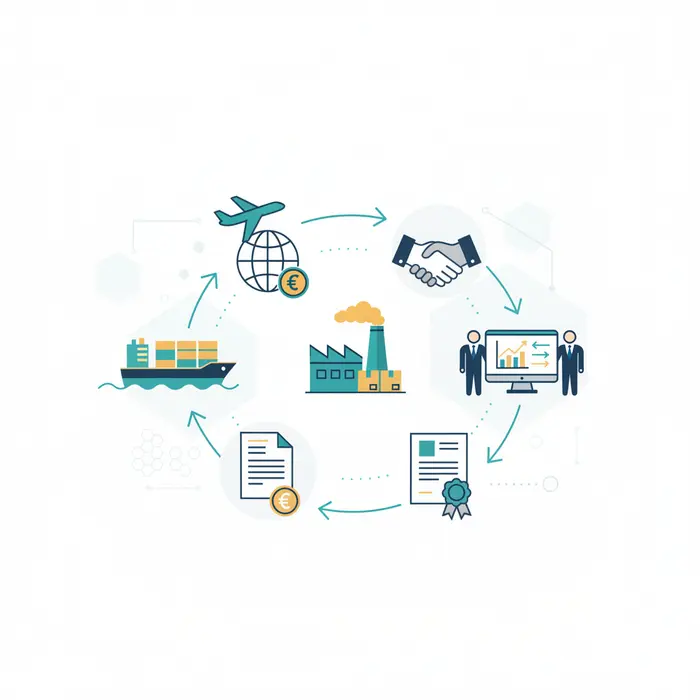
The International Trade Process Flow refers to the comprehensive sequence of activities, procedures, and documentation required to move goods and services across international borders. It’s an intricate ecosystem encompassing every step an export or import transaction undergoes, starting from the moment a buyer and seller agree on a deal until the goods are successfully delivered to the final destination and payment is settled. Far from being a simple exchange, it involves a multi-faceted approach addressing contractual agreements, logistical challenges, financial arrangements, and regulatory compliance.
Key components of this flow include the initial sales contract, product sourcing, order fulfillment, Import Export Documentation (such as commercial invoices, packing lists, bills of lading, certificates of origin), packaging and labeling, the International Logistics Process (involving carriers, freight forwarders, and warehousing), insurance, Trade Finance Procedures (like letters of credit or documentary collections), and critically, the Customs Clearance Process in both the exporting and importing countries. Each stage is interdependent, and a delay or error in one can cascade throughout the entire chain, impacting timelines, costs, and customer satisfaction. Understanding this flow is paramount for any entity engaged in or considering global commerce.
2. Why Understanding the Flow is Crucial for Businesses
For businesses operating in or aspiring to enter the global arena, a thorough understanding of the International Trade Process Flow is not merely beneficial; it’s absolutely crucial for sustained success and competitive advantage. Ignorance of this intricate journey can lead to significant financial losses, operational inefficiencies, legal complications, and damage to reputation.
Firstly, it ensures Operational Efficiency and Cost Reduction. By mapping out each step, businesses can identify bottlenecks, optimize logistics, streamline documentation, and negotiate better terms with service providers. This proactive approach minimizes delays, reduces demurrage charges, and ultimately lowers overall transaction costs. Secondly, it is vital for Risk Mitigation. International trade is inherently exposed to various risks, including shipping damage, political instability, currency fluctuations, and non-compliance with regulations. A clear grasp of the process allows businesses to implement risk management strategies, such as proper insurance coverage and robust contractual agreements.
Thirdly, Compliance and Legal Adherence are paramount. International trade is heavily regulated by national and international laws. Understanding the Customs Clearance Process, import/export restrictions, product standards, and Import Export Documentation requirements helps companies avoid penalties, seizures, and legal disputes. Compliance is a non-negotiable aspect, and staying updated with ever-evolving trade policies, such as those governed by organizations like the World Trade Organization (WTO), is essential. Comprehending the International Logistics Process and Trade Finance Procedures empowers businesses to make informed decisions, ensuring timely and secure transactions. This knowledge fosters stronger relationships with partners, enhances customer satisfaction, and builds a reputable global brand, directly contributing to long-term profitability and growth.
3. Key Players and Stakeholders in Global Trade
The efficient functioning of the International Trade Process Flow relies on the collaborative efforts of numerous entities, each playing a distinct yet interconnected role. Understanding these key players and their responsibilities is fundamental to navigating the global trade landscape effectively.
At the core are the Exporters (Sellers) and Importers (Buyers), who initiate the trade transaction. Exporters are responsible for preparing goods for shipment, obtaining necessary licenses, and providing accurate documentation. Importers, on the other hand, are tasked with receiving goods, ensuring compliance with local regulations, and making timely payments.
Facilitating the physical movement of goods are Freight Forwarders and Logistics Providers. These experts manage the International Logistics Process, coordinating transportation across various modes (sea, air, road, rail), warehousing, and often handling parts of the Import Export Documentation. They act as intermediaries, simplifying complex logistical arrangements for businesses.
Customs Authorities in both exporting and importing countries are critical gatekeepers. They enforce trade regulations, collect duties and taxes, and ensure goods comply with national security and health standards during the Customs Clearance Process.
Financial Institutions (Banks) are essential for Trade Finance Procedures, offering services such as letters of credit, documentary collections, and trade loans, which mitigate payment risks for both parties. Insurance Companies provide coverage against risks like cargo damage or loss during transit. Furthermore, Government Agencies (beyond customs) set trade policies, issue permits, and promote international commerce. Legal experts, trade consultants, and technology providers also play increasingly significant roles in optimizing and supporting various aspects of the trade flow. Each stakeholder’s performance directly impacts the overall success and efficiency of international transactions.
Essential Import Export Documentation
Navigating the complexities of international trade requires a meticulous understanding of the documentation involved. These critical documents are not merely bureaucratic hurdles; they are the backbone of global commerce, ensuring compliance with diverse national and international regulations, facilitating seamless customs clearance, and guaranteeing smooth operations across borders. From validating product origin to enabling payment and tracking shipments, accurate and complete import export documentation is paramount for any business engaged in the global International Trade Process Flow. Understanding their role is key to mitigating risks, avoiding delays, and optimizing the entire international logistics process.
1. Key Export Documents: Commercial Invoice, Packing List, Bill of Lading/Air Waybill
When goods leave a country, a set of meticulously prepared documents ensures they meet the requirements of both the exporting nation and the importing destination. These are foundational to efficient trade and compliance.
- Commercial Invoice: This is arguably the most crucial document for an export shipment. It’s a bill for the goods from the seller to the buyer, detailing the product description, quantity, unit price, total value, terms of sale (Incoterms), and payment terms. Customs authorities use it to determine duties and taxes, and it serves as a primary reference for all parties involved in the transaction, including for trade compliance verification.
- Packing List: Complementing the commercial invoice, the packing list provides a detailed inventory of the contents of each package within a shipment. It specifies the weight, dimensions, and type of packaging, aiding in customs inspection, cargo handling, and verification against the commercial invoice. It’s vital for accurate freight calculations and inventory management throughout the international logistics process.
- Bill of Lading (B/L) / Air Waybill (AWB): These are transport documents issued by the carrier (shipping line or airline) acknowledging receipt of goods for shipment. The Bill of Lading is used for ocean freight and acts as a contract of carriage, a receipt for goods, and a document of title, meaning whoever holds the original B/L has ownership of the goods. The Air Waybill, used for air freight, serves as a contract of carriage and a receipt but is not a document of title. Both are essential for tracking the shipment and facilitating its release upon arrival, playing a critical role in the Customs Clearance Process.
2. Key Import Documents: Customs Declaration, Certificates of Origin, Import Licenses
Upon arrival in the destination country, a new set of documents becomes critical for successful entry and legal compliance, especially during the Customs Clearance Process.
- Customs Declaration: This document, often an electronic submission, officially declares the imported goods to the customs authority of the destination country. It contains detailed information about the shipment, including its value, classification (HS code), origin, and destination. It’s the primary document customs uses to assess duties, taxes, and ensure compliance with import regulations.
- Certificates of Origin (COO): A COO specifies the country in which the goods were manufactured or produced. This document is crucial for determining eligibility for preferential tariff treatments under free trade agreements (FTAs), applying anti-dumping duties, or complying with specific import quotas. There are typically two types: non-preferential COOs (standard) and preferential COOs (for FTA benefits).
- Import Licenses: For certain restricted or controlled goods (e.g., pharmaceuticals, agricultural products, dual-use items), an import license may be required before the goods can enter the country. These licenses are issued by government agencies to regulate the flow of specific commodities, often for health, safety, security, or environmental reasons. Failure to obtain a required license can lead to severe penalties, delays, or even confiscation of goods, making them vital for effective Trade Finance Procedures and overall compliance.
3. The Role of Digitalization and e-Documents in Modern Trade
The landscape of import export documentation is rapidly evolving with the advent of digitalization. Electronic documents (e-documents) and digital platforms are transforming the traditional paper-heavy processes, offering significant advantages in efficiency, accuracy, and security for the entire International Logistics Process.
Digitalization streamlines the creation, submission, and processing of documents, reducing manual errors, accelerating customs clearance, and lowering administrative costs. Technologies such as blockchain are beginning to offer enhanced transparency and immutability for trade documents, potentially eliminating fraud and further speeding up transaction times. Initiatives like the World Customs Organization’s (WCO) Data Model and various national single window systems aim to create a harmonized, paperless trading environment where information is submitted once and shared across relevant government agencies.
The shift to e-documents means faster exchange of information between all stakeholders – exporters, importers, freight forwarders, customs brokers, and financial institutions. This not only enhances the speed of the International Trade Process Flow but also improves real-time tracking capabilities and facilitates more agile decision-making, ultimately leading to a more efficient, secure, and sustainable global supply chain.
Navigating the International Logistics Process
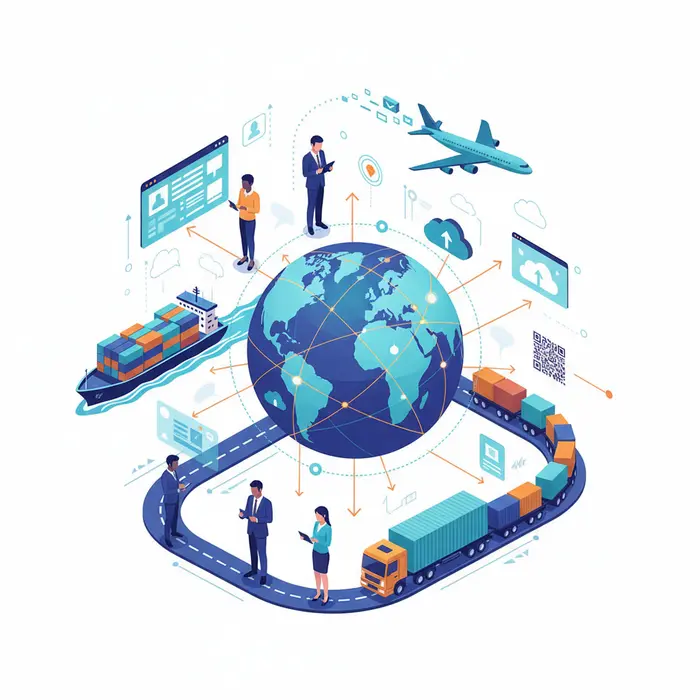
Navigating the global marketplace offers immense opportunities but also significant logistical hurdles. For businesses venturing into international trade, understanding the intricate stages of the International Trade Process Flow is crucial. From initial agreement on shipping responsibilities to final delivery, every step in the International Logistics Process demands meticulous planning and execution. This guide explores the vital components of global transportation, shedding light on how to optimize your supply chain, manage Import Export Documentation, and streamline the journey of goods across borders.
Choosing the Right Incoterms® for Your Trade
The first critical decision in any international transaction involves selecting the appropriate Incoterms® (International Commercial Terms). Published by the International Chamber of Commerce (ICC), these universally recognized rules define the responsibilities of buyers and sellers for the delivery of goods. Incoterms clarify who pays for what, where goods are transferred, and who bears the risk of loss or damage at each stage of the International Logistics Process. Choosing the wrong Incoterm can lead to disputes, unexpected costs, and significant delays. For example, EXW (Ex Works) places maximum responsibility on the buyer, while DDP (Delivered Duty Paid) places nearly all responsibility on the seller, including import duties. Understanding the implications of each term – FCA, FOB, CIF, etc. – is vital for managing costs, risks, and profitability. Businesses must assess their capabilities and the nature of the goods. Consulting the official ICC Incoterms® rules is essential for accurate application. Learn more about Incoterms® rules directly from the ICC.
Freight Forwarding and Shipping Methods (Air, Sea, Land)
Once Incoterms are established, the next step involves engaging a freight forwarder and selecting the most suitable shipping method. A freight forwarder acts as an intermediary, managing the complex logistics of international shipping. Their expertise in Import Export Documentation, customs regulations, and global carrier networks is invaluable for navigating the Customs Clearance Process. They advise on the best mode of transport:
- Sea Freight: Cost-effective for large volumes and heavy goods, ideal for non-urgent shipments with various container options (FCL, LCL). Longest transit times.
- Air Freight: Fastest for urgent or high-value goods, minimizing transit time but significantly more expensive with size/weight limitations.
- Land Freight (Road/Rail): Used for regional shipments or multimodal transport. Offers flexibility and door-to-door service within a continent.
The choice depends on urgency, cost, cargo volume, destination, and specific goods requirements. An experienced freight forwarder handles intricate paperwork, coordinates with carriers, and ensures compliance, simplifying the International Logistics Process and preventing delays. They also advise on Trade Finance Procedures related to shipping costs.
Warehousing, Distribution, and Last-Mile Delivery Challenges
Upon arrival at the destination country, the journey transitions into warehousing, distribution, and the critical phase of last-mile delivery. Efficient warehousing is essential for temporary storage, inventory management, and preparing goods for onward distribution. Many international traders utilize bonded warehouses to defer customs duties until goods are released. The distribution network then moves products from central warehouses to regional hubs or directly to customers. This stage often involves complex coordination.
The “last mile” – the final leg of delivery to the end-user – is often the most challenging and expensive part of the International Logistics Process. It’s characterized by congested urban areas, varied customer expectations, and the need for optimized routing. Businesses contend with managing returns, ensuring package security, and providing real-time tracking. Overcoming these challenges requires robust logistics technology, reliable local transport partners, and strategic planning. Effective management of this final stage significantly impacts customer satisfaction and the overall success of the International Trade Process Flow. Understanding Trade Finance Procedures for warehousing and distribution services is also key.
Navigating the international logistics landscape is a multifaceted undertaking demanding expertise at every turn. From Incoterms to freight forwarding, customs clearance, and last-mile delivery, each stage contributes to the efficiency and cost-effectiveness of global trade. By strategically managing Import Export Documentation, partnering with reliable freight forwarders, and optimizing distribution networks, businesses can transform obstacles into competitive advantages, ensuring a smoother and more profitable International Trade Process Flow.
Understanding Trade Finance Procedures
Navigating the complexities of global commerce requires a robust understanding of International Trade Process Flow. Trade finance plays a pivotal role in mitigating risks, ensuring secure transactions, and facilitating smooth cash flow for businesses engaged in importing and exporting. This section delves into the essential payment methods, risk mitigation tools, and financing options that underpin successful international trade, providing insights into crucial aspects like Import Export Documentation, International Logistics Process, and of course, effective Trade Finance Procedures to streamline the Customs Clearance Process and beyond.
1. Common Payment Methods: Letters of Credit (L/C), Documentary Collections (D/P, D/A), Open Account
Choosing the right payment method is fundamental to managing risk for both exporters and importers. The most prevalent options include:
- Letters of Credit (L/C): An L/C is a powerful instrument where a bank (the issuing bank), at the request of the buyer (applicant), undertakes to pay the seller (beneficiary) a specified sum upon presentation of documents that comply with the terms and conditions of the L/C. It provides significant security for the exporter, as the bank’s creditworthiness is substituted for the buyer’s, ensuring payment as long as the terms are met.
- Documentary Collections (D/P, D/A): In documentary collections, banks act as intermediaries to facilitate the exchange of documents for payment.
- Documents Against Payment (D/P): The buyer can only receive the shipping documents (and thus take possession of the goods) after paying the presenting bank. This offers a good balance of risk for both parties.
- Documents Against Acceptance (D/A): The buyer receives the shipping documents after accepting a bill of exchange, promising to pay at a future specified date. This method carries higher risk for the exporter than D/P, as payment is not guaranteed immediately.
- Open Account: Under an open account arrangement, goods are shipped and delivered before payment is due, typically within 30-90 days of receipt. This method is the riskiest for the exporter and most favorable for the importer, usually reserved for long-standing, trusted trading partners with a proven payment history.
2. Export Credit Insurance and Guarantees
Export credit insurance and guarantees are vital tools designed to protect exporters against various commercial and political risks associated with international trade. Commercial risks can include buyer insolvency, protracted default, or bankruptcy, while political risks encompass events such as war, revolution, currency inconvertibility, or expropriation. These solutions are crucial for encouraging businesses to venture into new markets and expand their global footprint, even in countries perceived to have higher risk profiles.
Providers of export credit insurance range from government-backed export credit agencies (ECAs) like the Export-Import Bank (EXIM) in the U.S., to private insurance companies. An export credit insurance policy typically covers a substantial percentage (often 85-95%) of the invoice value, shielding the exporter from potential losses. Guarantees, on the other hand, often involve a financial institution guaranteeing the payment obligations of an importer to an exporter, further enhancing transaction security. By mitigating the financial risks of non-payment, these instruments enable exporters to offer more competitive payment terms, such as open account, thereby attracting more international buyers.
3. Supply Chain Finance Solutions and Working Capital Management
Supply Chain Finance (SCF) refers to a broad range of solutions that optimize the financing of a company’s working capital within its supply chain. These solutions are critical for managing cash flow effectively throughout the entire International Trade Process Flow, benefiting both buyers and suppliers. By leveraging the financial strength of larger entities in the chain, SCF can provide cheaper, more accessible funding to smaller suppliers, thereby strengthening the entire ecosystem.
Key SCF instruments include:
- Factoring: An exporter sells its accounts receivable (invoices) to a third party (a factor) at a discount for immediate cash. This accelerates cash flow and shifts the burden of collection and credit risk to the factor.
- Reverse Factoring (or Confirming): Initiated by a buyer, this solution allows its suppliers to receive early payment on approved invoices, often at a lower financing cost based on the buyer’s credit rating. This enhances supplier liquidity and strengthens buyer-supplier relationships.
- Pre-shipment Finance: Provides working capital to exporters or manufacturers to cover costs associated with production and procurement of raw materials before goods are shipped. This is particularly useful for companies that need funds to fulfill large orders.
- Inventory Finance: This involves securing financing against a company’s inventory, allowing businesses to free up capital that would otherwise be tied up in unsold goods.
These SCF solutions enable businesses to manage their working capital more efficiently, reduce financing costs, improve liquidity, and build more resilient supply chains in the dynamic world of global trade.
The Customs Clearance Process Explained
The global marketplace thrives on efficient movement of goods across borders. However, this seemingly straightforward transaction is underpinned by a complex and often intricate series of steps known as the International Trade Process Flow. At the heart of this process lies customs clearance, a critical phase that ensures imported and exported goods comply with all local and international regulations, tariffs, and duties. Navigating the customs clearance process can be a daunting task for businesses, from startups to multinational corporations, given the ever-evolving legal frameworks and documentation requirements. A smooth Customs Clearance Process is essential not only for timely delivery but also to avoid costly delays, fines, and reputational damage. This section will demystify the key stages involved in clearing goods through customs, from initial filings to final compliance checks, highlighting the pivotal role of meticulous Import Export Documentation and robust compliance strategies within the broader International Logistics Process.
1. Pre-Arrival Filing and Documentation Review
The journey through customs officially begins long before goods physically arrive at a port or border. This initial and crucial phase involves “Pre-Arrival Filing,” where importers or their designated customs brokers submit necessary documentation to the customs authorities. This proactive approach allows customs officials to pre-screen shipments, identify potential risks, and streamline the actual release process upon arrival. Key documents typically required include the commercial invoice, packing list, bill of lading (for ocean freight) or air waybill (for air freight), certificate of origin, and import licenses or permits if applicable. Accurate and complete Import Export Documentation is paramount at this stage. Any discrepancies or omissions can lead to significant delays, requests for additional information, or even customs holding the shipment for further inspection. Customs agencies leverage electronic systems to facilitate these filings, enabling faster data processing and communication. Thorough review of all documents for accuracy and consistency against international trade standards is a non-negotiable step to ensure a seamless transition into the next stages of the customs process.
2. Duty, Tax, and Tariff Calculation and Payment
Once the initial documentation is processed and the goods are identified, the next critical step is the calculation and payment of applicable duties, taxes, and tariffs. This aspect is central to Trade Finance Procedures and the overall cost of importing goods. Duties are typically calculated based on the Harmonized System (HS) code assigned to the goods, their declared value (often CIF – Cost, Insurance, Freight), and the country of origin. Tariffs, which are essentially taxes on imported goods, vary widely depending on trade agreements between countries (e.g., Free Trade Agreements offering preferential rates) and specific product categories. In addition to duties and tariffs, importers are often liable for various taxes, such as Value Added Tax (VAT) or Goods and Services Tax (GST), and other local levies. The correct classification of goods using the HS code is vital, as misclassification can result in incorrect duty assessments, leading to underpayment (and subsequent penalties) or overpayment. Payments can be made directly to customs authorities or facilitated through customs brokers who often have deferred payment accounts. Understanding these calculations is fundamental for accurate financial planning and pricing strategies within the International Trade Process Flow.
3. Regulatory Compliance and Prohibited/Restricted Goods
Beyond duties and taxes, ensuring regulatory compliance is perhaps the most complex and critical aspect of customs clearance. Every country has specific laws and regulations governing what goods can enter, how they must be packaged, labeled, and what standards they must meet. This includes health and safety standards, environmental regulations, intellectual property rights, and specific import quotas. Certain goods are “prohibited” outright (e.g., illegal drugs, counterfeit items), while others are “restricted,” meaning they require special permits, licenses, or certifications from specific government agencies before they can be imported (e.g., firearms, certain chemicals, pharmaceuticals, endangered species products). For instance, food products may require approvals from health ministries, and electronics may need certification for electromagnetic compatibility. Non-compliance can lead to severe consequences, including seizure of goods, hefty fines, criminal charges, and blacklisting of the importer. Staying informed about the latest regulatory changes and collaborating with experienced customs brokers are essential strategies to navigate this intricate landscape successfully. This diligence safeguards businesses from legal ramifications and contributes to the integrity of the Customs Clearance Process globally.
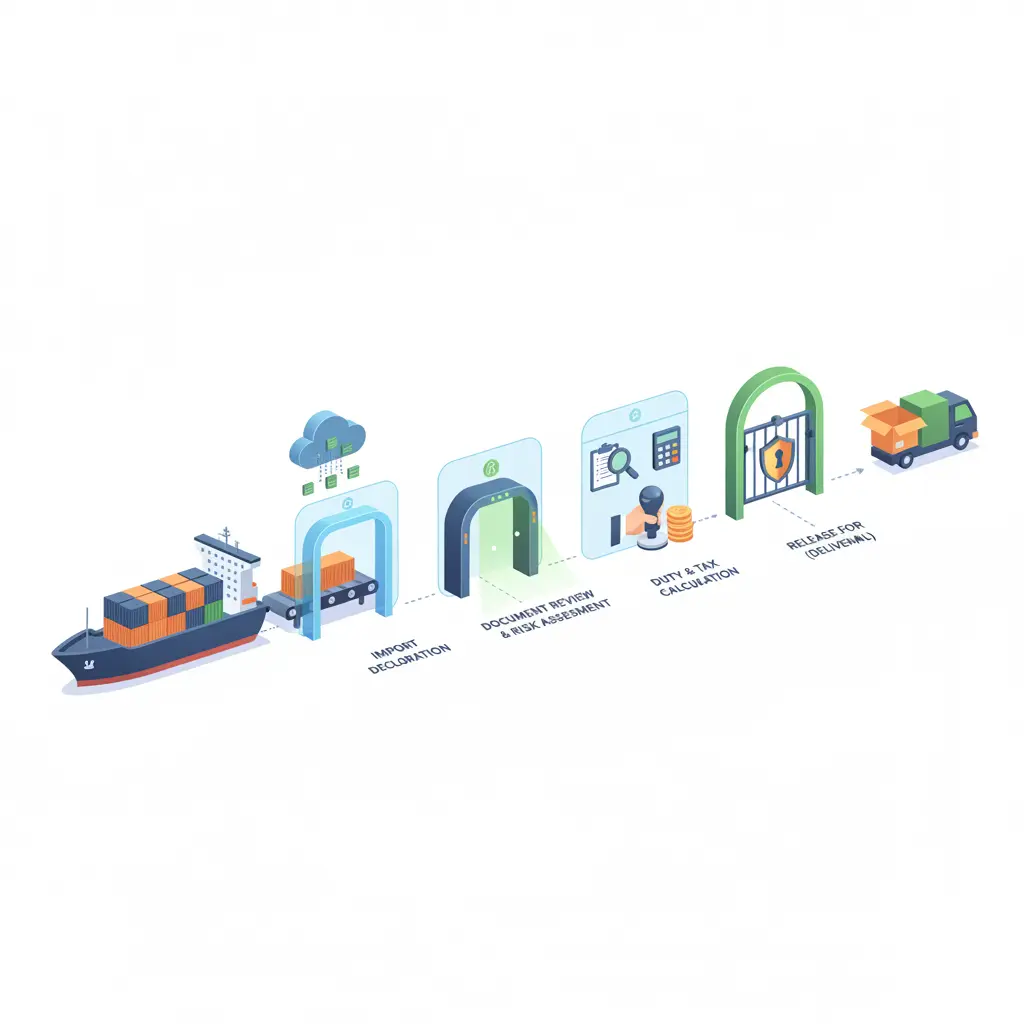
In conclusion, the customs clearance process is a multi-faceted operation demanding meticulous planning, accurate documentation, and a deep understanding of international trade regulations. From the proactive steps of pre-arrival filing and documentation review to the precise calculation of duties and taxes, and the paramount importance of regulatory compliance, each stage plays a vital role in the efficient and lawful movement of goods across borders. By mastering these components of the International Trade Process Flow, businesses can mitigate risks, reduce costs, and ensure the uninterrupted flow of their supply chains, thereby strengthening their position in the global market.
Partner with Vietnam’s Leading Suppliers
Looking for reliable suppliers in Vietnam? Contact VietnamSuppliers.com today to connect with verified manufacturers and exporters across all industries.
—————————————
References
– World Trade Organization (WTO) – What is the WTO?: https://www.wto.org/english/thewto_e/whatis_e/tif_e/fact1_e.htm
– trade compliance: https://www.trade.gov/trade-compliance
– ICC Incoterms® Rules: https://iccwbo.org/resources-for-business/incoterms-rules/
– Export-Import Bank of the United States: https://www.exim.gov/
– Harmonized System (HS) code: https://www.wcoomd.org/en/topics/nomenclature/instrument-and-tools/hs-nomenclature.aspx

