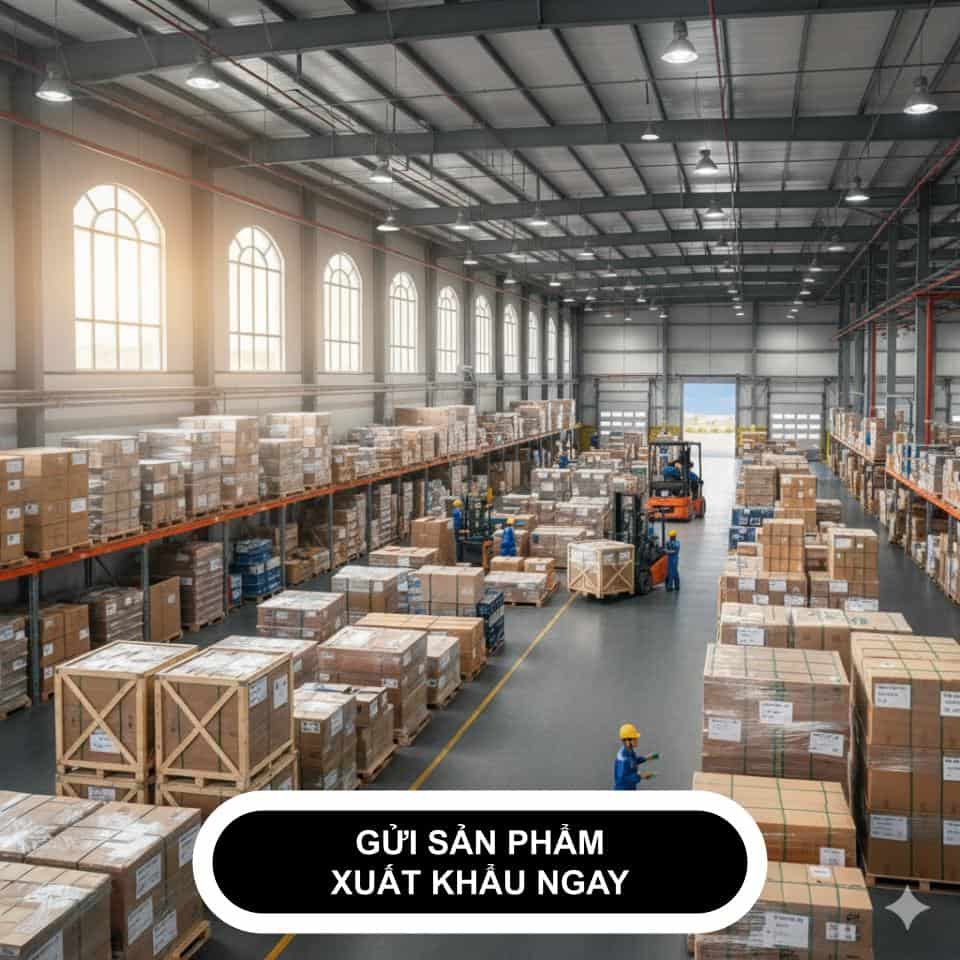
The Strategic Importance of International Trade Fairs 2024
In an increasingly interconnected global economy, businesses seeking sustained growth and market leadership must look beyond domestic borders. International Trade Fairs 2024 serve as unparalleled platforms for achieving global expansion, offering direct pathways to new markets, diverse supply chains, and critical competitive insights. These global sourcing events are not merely gatherings; they are strategic nexus points where industries converge, deals are forged, and future trends are shaped. For any enterprise aiming for global reach, understanding and leveraging the comprehensive benefits of participating in or visiting these events is paramount for market access and gaining a decisive competitive advantage.

1. Connecting with Global Sourcing Opportunities
One of the primary attractions of International Trade Fairs 2024 is their unique ability to bring together a vast array of suppliers and manufacturers from around the world under one roof. For businesses, this translates into unprecedented global sourcing opportunities. Instead of navigating complex online directories or relying on limited local contacts, attendees can physically interact with potential partners, assess product quality firsthand, and negotiate terms directly. These significant advantages of exhibitions include the chance to diversify supply chains, reduce dependence on single-source suppliers, and uncover innovative products or technologies that might not yet be widely available. For small and medium-sized enterprises (SMEs), these trade events offer a level playing field, enabling them to connect with suppliers and resources previously accessible only to larger corporations, thereby enhancing their product offerings and operational efficiencies. Accessing diverse materials, components, or finished goods from different regions can lead to cost savings, improved quality, and a more resilient supply chain, all critical factors for thriving in a competitive global marketplace.
2. Expanding B2B Export Networks
For companies with export ambitions, International Trade Fairs 2024 are indispensable. They function as high-efficiency B2B export exhibitions, providing a concentrated environment for establishing and expanding vital business-to-business networks. Exhibitors gain direct exposure to thousands of potential international buyers, distributors, agents, and strategic partners. This face-to-face interaction builds trust and rapport far more effectively than digital communication alone, often leading to robust and lasting business relationships. Whether it’s launching a new product into an unfamiliar market, finding reliable distribution channels, or securing lucrative international contracts, these trade fairs streamline the export process. The immediate feedback from a global audience allows businesses to fine-tune their offerings and market entry strategies. The sheer volume of decision-makers present at these events significantly accelerates the sales cycle, turning weeks or months of outreach into productive, real-time engagements. The international trade show benefits in this regard are transformative, paving the way for substantial growth in global sales volumes.
3. Market Intelligence and Competitive Analysis
Beyond sales and sourcing, International Trade Fairs 2024 are invaluable hubs for market intelligence and competitive analysis. Attending or exhibiting offers a panoramic view of the latest industry trends, technological advancements, and consumer demands across various global markets. Businesses can observe competitor strategies firsthand, evaluate their product lines, pricing, and marketing approaches. This direct insight provides a powerful tool for benchmarking performance, identifying gaps in the market, and pinpointing opportunities for innovation. Seminars, workshops, and expert panels often held concurrently with the exhibitions provide deep dives into emerging regulations, economic forecasts, and sector-specific challenges, equipping attendees with actionable knowledge. The intelligence gathered from these trade event outcomes can inform strategic planning, product development, and market positioning, ensuring that businesses remain agile and responsive to the ever-evolving global landscape. Understanding the competitive environment and anticipating future shifts are critical for maintaining a competitive edge and ensuring long-term relevance in international markets.
In conclusion, the strategic importance of International Trade Fairs 2024 cannot be overstated. They are dynamic platforms that facilitate global sourcing, forge crucial B2B export networks, and deliver indispensable market intelligence. For businesses committed to global growth, these events are not just opportunities but necessities, providing the connections, insights, and exposure required to navigate the complexities of international trade and secure a formidable position in the global marketplace. Embracing these global trade fairs is a proactive step towards unlocking unparalleled international trade show benefits and sustainable success.
Navigating the Global Landscape: Top Sourcing Events
The global marketplace is a dynamic ecosystem, constantly evolving with new opportunities and challenges. For businesses aiming to expand their reach, find reliable suppliers, or showcase their products to an international audience, participating in International Trade Fairs 2024 is not merely an option but a strategic imperative. These global sourcing events and B2B export exhibitions serve as pivotal platforms, fostering unparalleled networking, market intelligence gathering, and direct sales opportunities. Understanding which fairs to attend, and when, can significantly impact a company’s success in sourcing high-quality goods, attracting international buyers, and forging robust partnerships. The international trade show benefits extend beyond immediate sales, encompassing brand building, competitive analysis, and insights into emerging industry trends, ultimately leading to tangible trade event outcomes.
1. Major Industry-Specific Exhibitions
For businesses seeking highly specialized sourcing or export opportunities, industry-specific exhibitions are indispensable. These events gather a concentrated audience of professionals, buyers, and suppliers within a particular sector, ensuring high relevance and efficiency.
- Technology & Electronics: Events like CES (Consumer Electronics Show) in Las Vegas and IFA (Internationale Funkausstellung) in Berlin are global benchmarks for consumer electronics and home appliances. For industrial technology, Hannover Messe in Germany stands out as the world’s leading trade fair for industrial technology, covering automation, energy, and digital ecosystems.
- Textiles & Apparel: Premiere Vision in Paris and Intertextile Shanghai Apparel Fabrics are crucial for the fashion and textile industry, showcasing trends, materials, and manufacturing capabilities.
- Food & Beverage: Anuga in Cologne, Germany, and SIAL Paris are among the largest and most influential food and beverage trade fairs worldwide, offering vast opportunities for food producers, importers, and distributors.
- Automotive: Automechanika Frankfurt is a premier international trade fair for the automotive service industry, while Auto Shanghai represents a critical gateway to the immense Asian automotive market.
- Machinery & Manufacturing: IMTS (International Manufacturing Technology Show) in Chicago and EMO Hannover are vital for the machine tool and manufacturing technology sectors, presenting the latest innovations in production.
- Healthcare & Medical: MEDICA in Düsseldorf is the world’s largest event for the medical sector, attracting thousands of exhibitors and visitors annually.
2. Regional Hotspots for Trade and Investment
While industry focus is key, geographical strategy is equally important. Certain regions serve as perpetual magnets for trade and investment, hosting a multitude of high-impact events.
- Europe: A historical powerhouse for trade, Europe hosts a myriad of critical fairs. Germany, in particular, is home to many of the world’s leading exhibitions across diverse sectors, including the aforementioned Hannover Messe, Anuga, and Automechanika. The comprehensive reach of European fairs often provides a global perspective due to its central location and robust economies. Businesses looking to explore extensive sourcing options and connect with European buyers often find immense value in these well-established events. For businesses interested in delving deeper into the specifics of various global events and their benefits, exploring resources focused on International Trade Fairs 2024 can offer valuable insights.
- Asia-Pacific: This region continues to drive global economic growth. China’s Canton Fair in Guangzhou is arguably the largest trade fair in the world, covering nearly every product category and drawing hundreds of thousands of buyers. Hong Kong hosts specialized fairs for electronics, jewelry, and fashion, while Singapore is a hub for aerospace and maritime events. Vietnam, Thailand, and Malaysia are also increasingly hosting significant regional events, reflecting their growing manufacturing and export capabilities.
- North America: The United States and Canada offer access to highly developed markets. Events like CES (Las Vegas), Pittcon (for analytical chemistry and applied spectroscopy), and major industry-specific shows like the North American International Auto Show (Detroit) provide crucial platforms for market entry and expansion.
3. Emerging Markets and Niche Trade Events
Beyond the established giants, exploring emerging markets and niche trade events can uncover unique opportunities and competitive advantages.
- Emerging Markets: Countries in Southeast Asia (e.g., Vietnam, Indonesia), Latin America (e.g., Brazil, Mexico), and Africa (e.g., South Africa, Kenya) are rapidly developing their manufacturing bases and consumer markets. Attending local global sourcing events in these regions can provide early access to new suppliers, lower production costs, and burgeoning customer bases. For instance, events focusing on renewable energy in South America or agricultural technology in Africa are gaining prominence. The U.S. Department of Commerce offers excellent resources and guidance for businesses looking to export to new markets, emphasizing the strategic importance of understanding global trade dynamics. Accessing global market insights from the U.S. Department of Commerce can be instrumental for strategic planning.
- Niche Trade Events: As industries become more specialized, so do their trade shows. These might focus on specific components (e.g., advanced materials, specialized chemicals), sustainable practices (e.g., organic textiles, eco-friendly packaging), or new technologies (e.g., AI in manufacturing, blockchain solutions). Such events offer an unparalleled opportunity to engage with innovators and early adopters, secure unique products, and stay ahead of industry curves. Examples include events dedicated to additive manufacturing, cybersecurity, or vertical farming.
By strategically selecting and participating in these diverse B2B export exhibitions and global sourcing events, businesses can significantly enhance their market intelligence, identify potential partners, and ultimately drive successful trade event outcomes in the competitive global landscape.
Maximizing Your ROI: International Trade Show Benefits
In today’s interconnected global economy, businesses are constantly seeking effective avenues to expand their reach, cultivate new partnerships, and secure a competitive edge. Among the most potent strategies available, active participation in global sourcing events stands out as a critical driver for growth. Far from being mere networking gatherings, international trade shows are dynamic platforms offering a multitude of tangible and intangible benefits that directly contribute to a robust return on investment (ROI). For businesses planning their strategies around International Trade Fairs 2024, understanding these multifaceted advantages is paramount to unlocking their full potential. From generating high-quality leads to solidifying brand presence and forging strategic alliances, these events are essential components of a proactive global expansion strategy.

1. Lead Generation and Sales Conversion
One of the most immediate and quantifiable international trade show benefits is their unparalleled capacity for lead generation and direct sales conversion. Unlike digital marketing efforts that often require extensive follow-ups, trade events bring a concentrated audience of highly engaged prospects directly to your booth. Participants at these B2B export exhibitions are typically decision-makers or key influencers actively seeking new products, services, or suppliers. This provides an invaluable opportunity for businesses to engage face-to-face, demonstrate products, answer questions in real-time, and build rapport instantly. The personal interaction significantly shortens the sales cycle, allowing for the capture of higher-quality leads and even on-the-spot sales. Furthermore, the ability to gauge immediate interest and gather direct feedback from potential customers can be pivotal in refining sales pitches and product offerings. The efficiency of meeting hundreds of qualified prospects in a few days often surpasses months of traditional sales outreach, making it a highly cost-effective strategy for expanding market reach and driving sales pipelines.
2. Brand Building and Market Penetration
Beyond immediate sales, international trade shows are powerful catalysts for brand building and effective market penetration. Establishing a physical presence at a prominent global sourcing event elevates a company’s visibility and credibility on an international stage. It allows businesses to showcase their unique value proposition, product innovations, and brand story to a diverse global audience. For companies looking to enter new markets or reinforce their position in existing ones, these events provide a direct gateway. Exhibitors can observe competitor strategies, identify emerging industry trends, and gather crucial market intelligence first-hand. This direct exposure helps in tailoring future marketing campaigns and product development to specific market needs. Consistent participation across International Trade Fairs 2024 and beyond builds a strong brand image, fostering trust and recognition among international buyers and partners. It’s an investment in long-term brand equity, essential for sustained global success. According to research by the UFI, the Global Association of the Exhibition Industry, exhibitions are a vital tool for market entry and building brand awareness, with many businesses citing them as their most important marketing channel for achieving these objectives.
3. Networking and Partnership Development
Perhaps one of the most enduring trade event outcomes is the unparalleled opportunity for networking and the development of strategic partnerships. International trade shows gather a diverse ecosystem of industry players, including potential buyers, suppliers, distributors, agents, investors, and even competitors. This unique environment facilitates serendipitous encounters and structured meetings that can lead to invaluable collaborations. Face-to-face interactions foster trust and understanding in ways that virtual communications cannot replicate, laying the groundwork for strong, lasting business relationships. Whether it’s finding new international distributors, securing reliable overseas suppliers, or exploring joint venture possibilities, the concentrated presence of industry stakeholders makes these events fertile ground for partnership development. These alliances can be crucial for expanding distribution networks, accessing new technologies, or sharing market risks. Engaging in these high-level discussions can unlock new pathways for growth, offering insights and opportunities that might otherwise remain inaccessible. For companies focused on maximizing their ROI, the long-term value derived from these strategic connections often far outweighs the initial investment in attending an exhibition.
Preparation and Strategy for Successful Trade Event Outcomes
Participating in International Trade Fairs 2024 and other global sourcing events offers unparalleled opportunities for businesses to expand their reach, establish new partnerships, and boost exports. However, merely attending is not enough; a strategic approach encompassing diligent preparation, effective on-site engagement, and robust post-show follow-up is critical to ensure positive trade event outcomes and a strong return on investment. This section provides practical advice to navigate the complexities of B2B export exhibitions and maximize the international trade show benefits they offer.
1. Pre-Show Marketing and Outreach
Success at a trade fair begins long before the doors open. Defining clear, measurable objectives is paramount. Are you aiming for lead generation, brand awareness, direct sales, or market research? Your objectives will dictate your pre-show strategy. Identify your target audience within the trade fair ecosystem and craft a compelling value proposition. Pre-show marketing and outreach are essential for attracting qualified prospects to your booth.
Leverage the event organizer’s promotional channels, including exhibitor directories, social media mentions, and press releases. Implement a targeted email campaign to your existing network and potential new clients, highlighting your presence and what unique offerings you’ll showcase. Personalize invitations to key prospects, suggesting specific meeting times to discuss their needs. Utilize social media platforms to build anticipation, share sneak peeks of your products, and announce any special promotions or demonstrations. Preparing visually appealing and informative marketing collateral, product samples, and an engaging booth design well in advance ensures you are ready to make a strong first impression. Remember, the goal is to drive pre-scheduled appointments and create buzz around your participation at these vital global sourcing events.
2. On-Site Engagement Tactics and Best Practices
During the trade fair, your booth becomes your brand’s physical embassy. Effective on-site engagement is about maximizing every interaction. Your staff are your frontline ambassadors, so ensure they are thoroughly trained on product knowledge, sales pitches, and lead qualification techniques. Emphasize active listening and asking open-ended questions to understand visitors’ specific needs rather than just delivering a canned speech. Create an inviting and professional booth environment that encourages visitors to step in and linger. Clear signage, compelling visuals, and interactive displays can significantly enhance engagement.
Implement efficient lead capture methods, such as digital lead retrieval systems or well-designed qualification forms, ensuring that all collected data is accurate and comprehensive. Don’t just collect business cards; make detailed notes on each interaction, including specific interests, potential next steps, and follow-up actions required. Offer live product demonstrations, workshops, or brief presentations to draw crowds and showcase the practical applications of your offerings. Networking extends beyond your booth; attend key industry presentations, engage with other exhibitors, and participate in any organized networking events to broaden your connections and stay abreast of industry trends. By focusing on genuine connections and providing tangible value, you significantly enhance the international trade show benefits your company can derive.
3. Post-Show Follow-Up and Relationship Nurturing
The work doesn’t end when the trade fair concludes; in fact, the most crucial phase begins. Timely and personalized post-show follow-up is paramount to converting leads into actual business. Aim to contact all leads within 24-48 hours while the interaction is still fresh in their minds. Categorize leads based on their potential (hot, warm, cold) and tailor your communication accordingly. Hot leads might receive a direct call or a personalized email with a proposal, while warm leads could get an email with additional information or an invitation to a webinar.
Reference specific discussions from the show in your follow-up to demonstrate genuine interest and recall. Provide any requested materials, samples, or further information promptly. Integrate all lead data into your Customer Relationship Management (CRM) system for systematic tracking and nurturing. This allows you to manage the sales pipeline effectively and ensures no opportunity is missed. Post-show efforts are not just about closing immediate deals; they are about building long-term relationships and establishing trust. Regularly provide value through relevant content, industry insights, and updates to keep your brand top-of-mind. By diligently executing these follow-up strategies, you transform the potential of B2B export exhibitions into concrete trade event outcomes, solidifying your position in the global market and maximizing your return on investment from global sourcing events.
Looking Ahead: Trends and Future of International Trade Fairs 2025
The landscape of international trade is perpetually shifting, and with it, the dynamic world of trade fairs. As we cast our gaze towards 2025 and beyond, a clear picture emerges of evolving trends, profound technological advancements, and a recalibration of strategies for these vital global sourcing events. This forward-looking perspective delves into how international trade fairs are adapting, innovating, and solidifying their role as indispensable platforms for B2B export exhibitions, offering unparalleled international trade show benefits in an increasingly complex global economy. Understanding these changes is crucial for businesses aiming to optimize their trade event outcomes and forge meaningful international connections.

1. Digitalization and Hybrid Event Models
The past few years have undeniably accelerated the integration of digital technologies into every facet of our lives, and international trade fairs are no exception. Moving towards 2025, digitalization is not just an option but a cornerstone of strategic planning for trade shows. We are witnessing a robust evolution towards hybrid event models, where the traditional physical exhibition seamlessly intertwines with advanced virtual components. These models extend the reach of International Trade Fairs 2024 far beyond geographical limitations, allowing companies to participate and connect regardless of their physical presence. Virtual platforms are becoming increasingly sophisticated, offering immersive 3D booths, AI-powered matchmaking services, live streaming of presentations, and interactive networking opportunities. Augmented reality (AR) and virtual reality (VR) are no longer futuristic concepts but tools being actively explored to enhance product demonstrations and attendee engagement, making global sourcing events more accessible and data-rich. The primary international trade show benefits of this shift include expanded audience reach, enhanced data analytics for better ROI measurement, and year-round engagement possibilities beyond the event dates. This fusion ensures that even as physical meetings remain crucial for relationship building, the digital twin amplifies their impact and accessibility, promising improved trade event outcomes for all participants.
2. Sustainability in Trade Exhibitions
As global environmental consciousness intensifies, sustainability has emerged as a critical imperative across all industries, including the exhibition sector. Looking ahead, the exhibition industry will increasingly prioritize environmental, social, and governance (ESG) principles. Organizers, exhibitors, and attendees are collectively seeking greener, more responsible practices. This includes reducing waste through recyclable booth materials, minimizing energy consumption at venues, promoting sustainable catering options, and optimizing logistics to lower carbon footprints. The focus extends to ethical sourcing of products, promoting fair labor practices, and fostering diverse and inclusive environments. Many B2B export exhibitions are adopting certifications for sustainable event management, signaling their commitment to ecological stewardship. For businesses, showcasing sustainable products and processes at these events not only aligns with corporate social responsibility goals but also appeals to a growing segment of environmentally conscious buyers and partners. This trend transforms trade fairs into platforms not just for commerce, but also for driving positive societal and environmental change, adding another layer to the international trade show benefits. Indeed, organizations like UFI, The Global Association of the Exhibition Industry, are actively promoting sustainable development goals within the sector, guiding event organizers towards more responsible operations and better trade event outcomes.
3. Adapting to Geopolitical Shifts and Market Demands
The global economic and political landscape is in constant flux, presenting both challenges and opportunities for international trade. As we approach 2025, trade fairs will play an even more crucial role in helping businesses navigate geopolitical shifts, evolving trade policies, and fluctuating market demands. These global sourcing events serve as vital barometers, offering real-time insights into emerging markets, supply chain disruptions, and new regulatory frameworks. Organizers are becoming more agile, adapting their event themes and geographical focus to reflect current global dynamics, such as the increasing importance of intra-regional trade or shifts in global supply chains. For example, some International Trade Fairs 2024 might place a stronger emphasis on resilience and diversification, connecting businesses with alternative suppliers and new export destinations. These B2B export exhibitions also provide invaluable platforms for dialogue and collaboration, helping businesses to forge partnerships that build resilience against future uncertainties. The ability to quickly pivot and respond to changes, whether they are trade tariffs, political instability, or consumer preference shifts, will define success. Thus, trade fairs become more than just marketplaces; they are strategic forums where companies can understand, adapt, and proactively shape their future in an unpredictable world, ultimately enhancing their international trade show benefits and ensuring robust trade event outcomes.
Partner with Vietnam’s Leading Suppliers
Looking for reliable suppliers in Vietnam? Contact VietnamSuppliers.com today to connect with verified manufacturers and exporters across all industries.
—————————————
References
– Why Exhibitions? – UFI The Global Association of the Exhibition Industry: https://www.ufi.org/why-exhibitions/
– Accessing global market insights from the U.S. Department of Commerce: https://www.trade.gov/export-solutions
– UFI, the Global Association of the Exhibition Industry: https://www.ufi.org/
– Trade Shows: How to Prepare and Maximize Your ROI: https://www.export.gov/article?id=Trade-Shows-How-to-Prepare-and-Maximize-Your-ROI
– UFI Sustainable Development Goals: https://www.ufi.org/research/sustainable-development-goals-for-the-exhibition-industry/