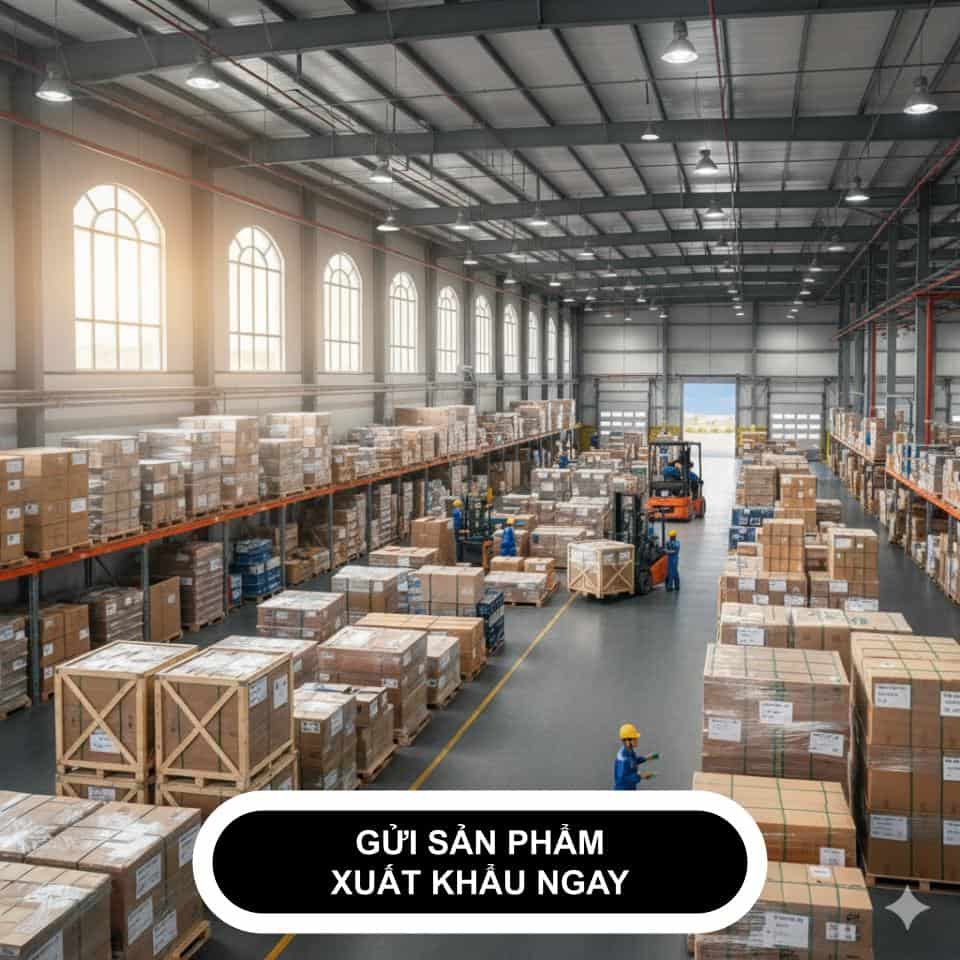
The Evolving Landscape of International Sourcing
In today’s interconnected yet increasingly volatile global economy, a robust International Sourcing Strategy is not merely a competitive advantage—it’s an absolute necessity. Recent years have underscored the fragility of global supply chains, challenging businesses with unprecedented disruptions ranging from a global pandemic and geopolitical tensions to escalating trade conflicts and rapid technological shifts. These events have moved the focus of sourcing beyond mere cost optimization to encompass resilience, agility, and ethical considerations. Companies that fail to adapt risk significant operational setbacks, market share loss, and reputational damage. Developing a forward-thinking international sourcing strategy is crucial for navigating this dynamic environment, ensuring business continuity, fostering innovation, and maintaining a competitive edge.

1. Geopolitical Impacts on Global Supply Chains
Geopolitical shifts are arguably one of the most significant disruptors reshaping the international sourcing landscape. Trade wars, protectionist policies, sanctions, and regional conflicts have compelled businesses to re-evaluate traditional sourcing hubs. The concept of “just-in-time” inventory is increasingly being supplemented, if not replaced, by “just-in-case” resilience, driving a trend towards Global Supplier Diversification. Companies are exploring near-shoring or friend-shoring to reduce reliance on single regions susceptible to political instability or regulatory changes. Understanding the geopolitical risks, potential tariffs, and non-tariff barriers associated with specific countries is paramount. For instance, recent tensions have prompted many firms to explore alternatives to long-established manufacturing centers, leading to increased interest in regions offering greater political stability and predictable trade relations. Navigating these complex global supply chain dynamics requires continuous monitoring and proactive adaptation to safeguard supply chain integrity.
2. Technological Advancements Redefining Sourcing
Technology is revolutionizing every facet of international sourcing, offering tools that enhance efficiency, transparency, and decision-making. Artificial Intelligence (AI) and machine learning are being used for demand forecasting, supplier risk assessment, and optimizing logistics routes. Blockchain technology provides an immutable ledger for tracking goods from origin to destination, significantly improving traceability and combating counterfeiting. The Internet of Things (IoT) enables real-time monitoring of shipments and warehouse conditions, preventing delays and ensuring product quality. Digital platforms facilitate easier B2B Export Market Entry and connect businesses with potential partners, making it simpler to Find International Manufacturers. Furthermore, advanced analytics offer comprehensive insights into market trends and supplier performance, enabling more informed choices. These Cross-Border Trade Solutions streamline complex operations, reduce administrative burdens, and open new avenues for efficient global procurement.
3. Sustainability and Ethical Sourcing Imperatives
Beyond cost and efficiency, sustainability and ethical practices have emerged as critical drivers for an effective International Sourcing Strategy. Consumers, investors, and regulatory bodies are increasingly demanding transparency and accountability regarding environmental impact, labor conditions, and human rights across the supply chain. Businesses are under pressure to demonstrate responsible sourcing, ensuring fair wages, safe working conditions, and minimal ecological footprint. This involves rigorous supplier vetting processes, often requiring third-party audits and certifications. Companies must also assess the carbon footprint of their logistics and manufacturing processes, actively seeking partners committed to renewable energy and waste reduction. Embracing sustainable and ethical sourcing not only mitigates reputational risks and complies with evolving regulations but also enhances brand value and resonates with a growing segment of conscious consumers. It transforms sourcing from a transactional activity into a values-driven partnership, contributing to a more responsible global economy.
Crafting Your Global Supplier Diversification Plan
In today’s interconnected yet volatile global economy, relying on a single sourcing region or a handful of suppliers can expose your business to significant risks. Geopolitical shifts, natural disasters, trade disputes, and economic fluctuations can disrupt supply chains overnight, leading to production delays, increased costs, and reputational damage. Therefore, a robust International Sourcing Strategy that prioritizes global supplier diversification is not just a best practice—it’s a critical imperative for business resilience and sustained growth. The goal is to avoid putting all your eggs in one basket, strategically spreading your sourcing network across diverse international manufacturers to mitigate risks and unlock new opportunities for innovation and cost efficiency.
1. Identifying New Regions for Sourcing
The first step in effective global supplier diversification involves a meticulous assessment of potential new sourcing regions. This process goes beyond merely chasing the lowest labor costs; it requires a holistic evaluation of various factors that impact long-term viability and stability. Key considerations include political and economic stability, existing trade agreements (e.g., free trade agreements that reduce tariffs and facilitate supply chain resilience), infrastructure quality (ports, roads, logistics networks), regulatory environment, intellectual property protection laws, and the availability of skilled labor and specialized resources. For instance, while Southeast Asia remains a popular hub, countries in Eastern Europe, Latin America, or even specific African nations might offer untapped potential for certain industries. Conducting thorough market research, analyzing country risk reports, and understanding cultural nuances are vital before committing resources. Engaging with local trade commissions or chambers of commerce can provide invaluable insights into the business landscape and help in identifying promising areas for B2B export market entry.
2. Risk Assessment for Global Supplier Diversification
Diversifying your global supplier base introduces a new set of risks that must be carefully identified and managed. These risks span several categories:
- Geopolitical Risk: Political instability, trade wars, or sanctions in a sourcing country can severely disrupt supply.
- Logistical Risk: Long shipping distances, customs complexities, and unreliable transportation infrastructure can lead to delays and increased costs. Effective Cross-Border Trade Solutions are essential here.
- Quality Control Risk: Maintaining consistent product quality across multiple international manufacturers requires robust oversight and clear communication.
- Financial Risk: Currency fluctuations, payment security, and potential for fraud necessitate careful financial planning and due diligence.
- Intellectual Property (IP) Risk: Protecting your designs, patents, and trademarks in different legal jurisdictions is paramount.
- Compliance Risk: Adhering to varying labor laws, environmental regulations, and ethical sourcing standards in each region is crucial.
Mitigating these risks involves implementing rigorous supplier qualification processes, establishing clear contractual agreements, investing in local representation or third-party audit services, and building strong relationships based on transparency and trust. Scenario planning and developing contingency plans for each potential risk factor are also critical components of a resilient International Sourcing Strategy.
3. Tools and Platforms to Find International Manufacturers
The digital age has democratized the process of how to find international manufacturers, offering a plethora of tools and platforms to streamline your search. Traditional methods like attending international trade shows (e.g., Canton Fair, Hannover Messe) remain highly effective for direct interaction and vetting. However, online B2B marketplaces and directories have become indispensable. Platforms such as Alibaba, Made-in-China, and Thomasnet provide extensive databases of suppliers across various industries. While these are good starting points, deeper vetting is always required. Specialized sourcing platforms and industry-specific directories can offer more curated lists. Furthermore, leveraging professional networks like LinkedIn, engaging with international sourcing consultants, or joining industry associations can connect you with reputable suppliers. When utilizing these tools, prioritize platforms that offer supplier verification services, transparent reviews, and secure communication channels. Always conduct thorough due diligence, requesting certifications, checking references, and ideally, conducting factory audits to ensure the potential supplier meets your quality, ethical, and production standards. This proactive approach ensures you find international manufacturers that are reliable partners for your global supplier diversification efforts.
Navigating Cross-Border Trade Solutions and Logistics
In an increasingly globalized marketplace, establishing a robust International Sourcing Strategy is fundamental for achieving competitive advantage and fostering Global Supplier Diversification. While venturing into international markets offers immense potential, the journey of moving goods across borders is fraught with practical challenges, from intricate customs procedures to optimizing vast supply chains. Successfully executing B2B Export Market Entry and efficiently managing global transactions hinges on implementing astute Cross-Border Trade Solutions. This section explores key challenges and provides actionable strategies to streamline international logistics and effectively find international manufacturers.
1. Understanding Incoterms and Customs Regulations
A cornerstone of effective cross-border trade lies in a thorough understanding of Incoterms and the specific customs regulations of each trading nation. Incoterms, or International Commercial Terms, are globally recognized rules published by the International Chamber of Commerce (ICC). They precisely define the responsibilities of buyers and sellers regarding delivery, insurance, documentation, and customs clearance at various stages of shipment. Selecting the correct Incoterm—be it FOB, CIF, DDP, or others—is paramount for accurate costing, liability assignment, and preventing disputes.
Beyond Incoterms, navigating the complex web of customs regulations is essential. Each country imposes unique tariffs, duties, import/export restrictions, and documentation requirements. Misclassification of goods using Harmonized System (HS) codes or incomplete paperwork can lead to severe delays, fines, and even goods impoundment. Proactive compliance is key; businesses must diligently secure necessary permits and licenses. Engaging experienced customs brokers can serve as an invaluable Cross-Border Trade Solution. These experts assist in navigating declarations, adhering to trade agreements, and optimizing duty payments within the framework of global trade regulations, ensuring smoother passage for your goods.
2. Optimizing International Logistics and Shipping
Efficient international logistics and shipping form the operational backbone of any successful International Sourcing Strategy. This discipline involves meticulously planning and managing the cost-effective flow and storage of goods from their origin to their final destination across international boundaries. Common challenges include choosing the most suitable mode of transport (air, sea, road, rail), managing extensive lead times, mitigating unforeseen delays, and controlling escalating freight costs.

To optimize these critical processes, businesses should strategically partner with reliable freight forwarders or third-party logistics (3PL) providers. These partners offer expertise in route optimization, carrier selection, and real-time tracking, proving indispensable when you aim to find international manufacturers and move goods efficiently. Furthermore, embracing advanced technology such as supply chain management (SCM) software and predictive analytics can significantly enhance visibility and enable proactive problem-solving. Exploring multimodal transport can yield both cost savings and speed advantages, depending on the specific trade route. Lastly, establishing strategic warehousing near key markets or ports can effectively reduce transit times and minimize disruptions, thereby facilitating seamless B2B Export Market Entry.
3. Mitigating Currency Exchange Risks in Cross-Border Trade
For companies engaged in global commerce, currency exchange rate fluctuations pose a significant financial threat. This foreign exchange (FX) risk arises when the value of one currency shifts against another between the agreement date and the payment date. Such volatility can severely impact profit margins, potentially turning a viable deal unprofitable, especially for long-term international sourcing contracts or large-volume transactions. A clear understanding of how currency movements will affect the final cost is paramount when you find international manufacturers and negotiate terms.
Implementing effective risk mitigation strategies is crucial. Businesses commonly utilize financial instruments like forward contracts or options to lock in an exchange rate for a future transaction, thereby providing certainty in pricing and protecting against adverse movements. Other strategies include negotiating favorable payment terms with suppliers, potentially sharing the currency risk, or utilizing multi-currency accounts. Enhancing Global Supplier Diversification by sourcing from multiple regions can also inherently reduce exposure to a single currency’s volatility. Proactive management of FX risk is an indispensable element of a resilient International Sourcing Strategy, ensuring greater financial predictability in the dynamic global market.
Strategic B2B Export Market Entry
Entering new international markets presents both immense opportunities and complex challenges for B2B businesses. A well-defined B2B Export Market Entry strategy is not merely about finding buyers; it involves a sophisticated approach to understanding new landscapes, mitigating risks, and building sustainable growth. In an increasingly globalized economy, developing a robust International Sourcing Strategy is paramount for companies looking to expand their reach, achieve Global Supplier Diversification, and secure competitive advantages. This section will delve into the critical aspects of effectively penetrating international markets, emphasizing meticulous market analysis and the cultivation of strong, reliable partnerships, essential components of successful Cross-Border Trade Solutions.
1. Market Research for New Export Opportunities
The cornerstone of any successful international expansion is exhaustive market research. Before attempting to Find International Manufacturers or customers, businesses must undertake a comprehensive analysis to identify the most promising export opportunities. This involves more than just assessing market size; it requires a deep dive into economic stability, political landscape, cultural nuances, regulatory environment (PESTEL analysis), and specific industry trends. Companies should evaluate demand for their products or services, analyze the competitive landscape, identify potential barriers to entry, and understand consumer behavior or business practices within the target region. Leveraging data from trade associations, government reports, market research firms, and local industry experts can provide invaluable insights. This initial due diligence helps businesses to tailor their offerings, pricing, and marketing strategies to resonate with the target market, thereby minimizing risks and maximizing the potential for a profitable B2B Export Market Entry. Thorough research also aids in identifying potential gaps in the market that an international sourcing strategy can fill, either through direct export or by identifying partners for local production or distribution. According to the International Trade Administration, effective market research is crucial for identifying viable markets and understanding their unique characteristics. Market Research and Analysis from Trade.gov
2. Building Relationships with International Distributors
Once a target market has been identified, establishing strong, reliable partnerships becomes critical for effective market penetration. For many B2B exporters, collaborating with local distributors, agents, or joint venture partners offers the most practical and efficient Cross-Border Trade Solutions. These partners possess invaluable local market knowledge, established distribution networks, cultural fluency, and often, existing relationships with key buyers. The process of identifying the right partner is crucial; it requires due diligence, including financial assessments, reference checks, and a clear understanding of their market reach and capabilities. Successful partnerships are built on mutual trust, clear communication, shared objectives, and a well-defined agreement outlining responsibilities, performance expectations, and support mechanisms. Regular communication, training, and ongoing support from the exporting company are essential to maintain alignment and ensure the partner effectively represents the brand and product. By strategically partnering, businesses can accelerate their market entry, overcome logistical hurdles, and significantly enhance their Global Supplier Diversification efforts, ensuring their products reach the end-user efficiently. Developing such alliances is a core part of a comprehensive International Sourcing Strategy, enabling access to new markets and reducing operational complexities.
3. Legal and Regulatory Compliance for B2B Export
Navigating the complex web of international laws and regulations is a non-negotiable aspect of B2B Export Market Entry. Compliance extends beyond simply understanding import duties and tariffs; it encompasses a broad spectrum of legal requirements, including product standards, labeling, intellectual property rights, customs procedures, export controls, and contract law. Each target market will have its own unique set of regulations, and non-compliance can lead to significant penalties, delays, goods seizure, reputational damage, and even blacklisting. Businesses must invest in understanding these requirements, often necessitating consultation with international trade lawyers or compliance experts. Proactive engagement with customs brokers, freight forwarders, and legal counsel specializing in Cross-Border Trade Solutions is vital to ensure smooth operations. Furthermore, understanding the nuances of payment terms, Incoterms, and currency exchange risks is crucial for financial stability. By meticulously adhering to legal and regulatory frameworks, companies can safeguard their operations, build trust with international partners and customers, and ensure a sustainable and compliant presence in new global markets. This diligent approach is an integral part of a robust International Sourcing Strategy aimed at long-term success.
In conclusion, a strategic approach to B2B Export Market Entry is multifaceted, demanding rigorous market research, the cultivation of strong international partnerships, and unwavering commitment to legal and regulatory compliance. Companies that prioritize these elements will be better positioned to capitalize on global opportunities, achieve Global Supplier Diversification, and build a resilient presence in new international territories. A well-executed International Sourcing Strategy is not just about expanding sales; it’s about building a sustainable and competitive global business.
Future-Proofing Your International Sourcing Strategy
In an increasingly interconnected yet volatile global economy, simply reacting to disruptions is no longer sufficient. To achieve long-term success, businesses must adopt a proactive approach to their International Sourcing Strategy, building resilience and adaptability into their core operations. This involves anticipating future challenges, embracing technological advancements, and fostering a culture of continuous improvement. The goal is not just to survive market fluctuations but to thrive by creating a robust and flexible sourcing ecosystem.

1. Leveraging AI and Data Analytics in Sourcing
The digital revolution has profoundly reshaped how companies find international manufacturers and manage their supply chains. Artificial Intelligence (AI) and advanced data analytics are no longer futuristic concepts but essential tools for enhancing an International Sourcing Strategy. AI can revolutionize vendor identification by sifting through vast amounts of global supplier data, identifying potential partners based on criteria like capacity, quality, compliance, and ethical practices. Predictive analytics can forecast demand fluctuations, geopolitical risks, and commodity price changes, enabling businesses to make informed decisions and mitigate potential disruptions before they occur. For instance, AI-driven platforms can analyze historical performance, social sentiment, and real-time news to flag high-risk suppliers or regions, providing an early warning system. Furthermore, AI can optimize logistics, automate contract negotiations, and streamline communication across complex global networks, leading to significant efficiencies and cost savings. Integrating these technologies allows for a more strategic and less reactive approach to sourcing, transforming raw data into actionable insights for competitive advantage.
2. Developing Agile Supply Chain Models
An agile supply chain is paramount for navigating the complexities of modern international trade. This means moving away from single-source dependencies towards a model of Global Supplier Diversification. By cultivating relationships with multiple suppliers across different geographical regions, businesses can significantly reduce their exposure to localized risks such as natural disasters, political instability, or trade wars. This strategy involves carefully assessing new B2B export market entry points and understanding diverse regulatory environments. Implementing nearshoring or friendshoring can shorten lead times, reduce transportation costs, and minimize the impact of long-distance disruptions. An agile model also emphasizes flexibility in production and distribution, allowing for rapid adjustments to changes in demand or supply conditions. Establishing robust Cross-Border Trade Solutions, including efficient customs procedures and diversified logistics partners, further enhances this agility. The goal is to create a resilient network capable of quickly re-routing, re-sourcing, or re-prioritizing to maintain continuity under any circumstances.
3. Continuous Monitoring and Performance Evaluation
A future-proof International Sourcing Strategy is not static; it is a living framework that requires constant attention and adaptation. Continuous monitoring involves more than just tracking delivery times and defect rates; it encompasses an ongoing assessment of geopolitical shifts, economic indicators, technological advancements, and evolving regulatory landscapes. Key Performance Indicators (KPIs) should extend beyond cost savings to include metrics for supplier reliability, ethical compliance, sustainability, and innovation. Regular audits and performance reviews, coupled with open communication channels with suppliers, are crucial for identifying areas for improvement and fostering collaborative relationships. This proactive evaluation process allows companies to anticipate potential bottlenecks, assess emerging risks, and identify new opportunities for optimization. By embedding a culture of continuous learning and adaptation, businesses can ensure their sourcing strategies remain relevant, competitive, and resilient in the face of an ever-changing global environment, turning potential threats into opportunities for strategic growth.
Partner with Vietnam’s Leading Suppliers
Looking for reliable suppliers in Vietnam? Contact VietnamSuppliers.com today to connect with verified manufacturers and exporters across all industries.
—————————————
References
– How to build a resilient supply chain amid geopolitical uncertainty: https://www.weforum.org/agenda/2023/01/how-to-build-a-resilient-supply-chain-amid-geopolitical-uncertainty/
– How to build more resilient supply chains: https://www.weforum.org/agenda/2022/02/how-build-more-resilient-supply-chains/
– global trade regulations: https://www.wto.org/
– Market Research and Analysis from Trade.gov: https://www.trade.gov/data-and-analysis
– Intelligent Supply Chain: Deloitte: https://www2.deloitte.com/us/en/pages/manufacturing/articles/intelligent-supply-chain.html