Understanding Global Trade Challenges for SMEs
The global trade landscape is currently characterized by unprecedented volatility, presenting a complex web of challenges for businesses worldwide. While large multinational corporations often possess the resources to absorb shocks, small and medium-sized enterprises (SMEs) are particularly vulnerable to these external pressures. From supply chain disruptions to fluctuating demand and evolving regulatory environments, the current climate necessitates a proactive approach to developing robust Global Trade Resilience Measures for SMEs. This section delves into the critical challenges faced by these vital economic contributors, laying the groundwork for understanding the strategic resilience measures required to navigate this intricate environment.
1. Impact of Geopolitical Shifts on Small Businesses
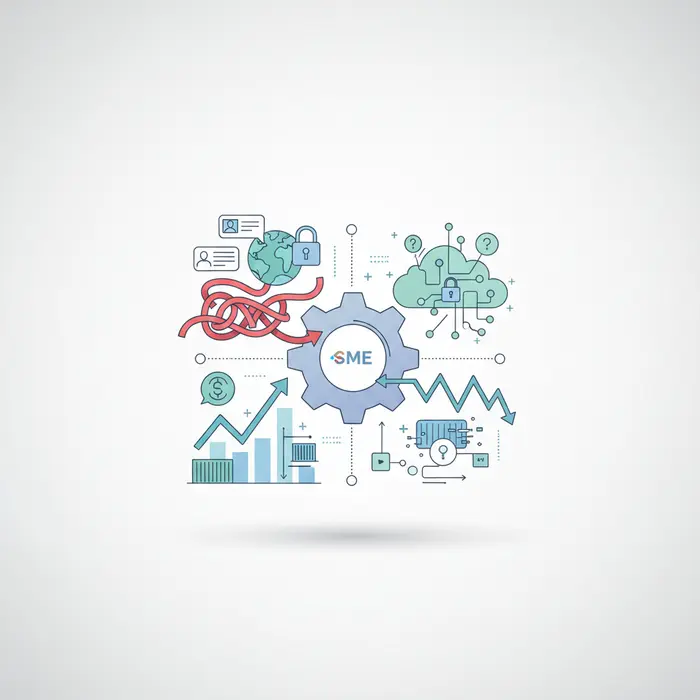
Geopolitical events, ranging from regional conflicts and trade wars to sanctions and shifting international alliances, profoundly impact small businesses engaged in global trade. These shifts can abruptly alter market dynamics, creating significant operational hurdles. For SMEs, which often operate with leaner margins and fewer alternative sourcing options, the disruption of established trade routes or the imposition of new tariffs can lead to immediate and severe consequences. Supply chains, meticulously built over years, can fragment overnight, causing delays, increased costs, and ultimately, a loss of competitiveness. For instance, a sudden trade dispute between major economies can make sourcing raw materials more expensive or even impossible, while political instability in a key market can erode consumer confidence and demand. Furthermore, the uncertainty generated by such shifts makes long-term planning incredibly difficult, stifling investment and expansion plans. Understanding these risks is the first step towards building effective resilience.
2. Navigating Economic Volatility and Market Access
Beyond geopolitical concerns, SMEs must contend with a highly volatile global economic environment. Inflationary pressures across various economies drive up production costs and erode purchasing power, while unpredictable currency fluctuations can significantly impact the profitability of international transactions. A sudden appreciation of the local currency, for example, makes exports more expensive and less attractive to foreign buyers. Conversely, a depreciation can make imported inputs prohibitively costly. Accessing new international markets also presents its own set of challenges for SMEs. While the promise of broader customer bases is enticing, these businesses often face barriers such as complex import regulations, non-tariff barriers, and intense competition from established local players. Without adequate support, such as robust export financing for SMEs or international trade subsidies small business programs, smaller firms struggle to undertake the necessary market research, legal compliance, and marketing efforts required to successfully penetrate new territories. The lack of resources to navigate intricate customs procedures or secure preferential trade agreements further exacerbates their market access issues.
3. Logistics and Border Control Hurdles
The physical movement of goods across borders remains a significant bottleneck for SMEs. The COVID-19 pandemic highlighted the fragility of global supply chains, leading to port congestion, container shortages, and soaring freight costs that have yet to fully normalize. For a small business, a sudden spike in shipping costs can erase profit margins, making international trade unviable. Beyond the costs, there are myriad complexities related to border controls. Evolving customs regulations, increased scrutiny of product origin, and differing sanitary and phytosanitary standards across countries demand meticulous compliance. SMEs often lack dedicated legal or logistics departments to manage these intricacies, leading to delays, fines, or even rejection of goods. Furthermore, the rise of digital trade also brings new challenges related to data localization laws and cybersecurity requirements, adding another layer of compliance for businesses operating internationally. Initiatives like trade facilitation agreements championed by organizations like the WTO aim to streamline these processes, but their full benefits can be slow to reach smaller players. Without targeted support, such as supply chain stability grants or specialized assistance in countries like Vietnam SME export assistance, these logistical and regulatory hurdles can become insurmountable barriers to international growth.
Strengthening Financial Backbones: Export Financing & Subsidies
Navigating the complexities of global markets presents both immense opportunities and significant challenges for small and medium-sized enterprises (SMEs). A critical factor in an SME’s success on the international stage is robust financial support. This section delves into the vital Global Trade Resilience Measures for SMEs, focusing specifically on how export financing and international trade subsidies act as crucial financial backbones, empowering businesses to mitigate risks, secure capital, and expand their reach across borders.
1. Key Export Financing Options for SMEs
Export financing for SMEs encompasses a range of financial products designed to bridge the gap between production costs and payment receipt in international trade. Unlike domestic transactions, export deals often involve longer payment cycles, higher political and commercial risks, and the need for significant working capital upfront. Addressing these unique challenges, various financing options are available:
- Pre-shipment Finance (Working Capital Loans): These loans provide capital to cover the costs associated with producing goods or services destined for export, such as purchasing raw materials, manufacturing expenses, or packaging. They ensure that SMEs have the necessary liquidity to fulfill orders before they are shipped.
- Post-shipment Finance: Once goods have been shipped, but before payment is received, SMEs can access post-shipment financing. This includes:
- Export Factoring: Selling export receivables (invoices) to a third party (factor) at a discount for immediate cash. The factor then assumes responsibility for collecting payment from the overseas buyer.
- Forfaiting: The purchase of an exporter’s medium- to long-term trade receivables (often in the form of bills of exchange or promissory notes) at a discount, typically without recourse to the exporter. This provides immediate cash and eliminates collection risk.
- Letters of Credit (LCs): While not strictly a financing tool, LCs are fundamental to export transactions. Issued by a bank on behalf of the buyer, an LC guarantees payment to the exporter provided the terms and conditions specified in the LC are met. This significantly reduces payment risk for the exporter.
- Export Credit Lines: Some financial institutions offer dedicated credit lines specifically for exporters, providing flexible access to funds to support ongoing export activities.
These mechanisms are vital for improving cash flow, enabling SMEs to take on larger orders, and reducing the financial strain associated with international sales. Understanding and leveraging these export finance solutions is paramount for sustained growth in global markets.
2. Accessing International Trade Subsidies for Small Business
Beyond traditional financing, international trade subsidies for small business offer non-repayable financial assistance designed to lower the costs and risks associated with entering and expanding in global markets. These subsidies, often provided by governments or international organizations, are critical for overcoming market access barriers and fostering competitiveness. Key types include:
- Export Promotion Grants: These grants support activities such as participating in international trade shows, market research, developing export marketing strategies, or obtaining certifications required for specific foreign markets.
- Market Entry Support Programs: Many countries offer programs that co-fund market studies, legal advice for establishing presence in a new country, or adapting products to meet foreign regulations. For example, specific Vietnam SME export assistance programs might focus on integrating into regional supply chains.
- R&D and Innovation Grants: Some subsidies target the development of innovative products or processes with strong export potential, helping SMEs to differentiate themselves internationally.
- Logistics and Supply Chain Support: In certain instances, grants may be available to help SMEs optimize their supply chain logistics for international distribution, contributing to overall supply chain stability grants.
Accessing these subsidies typically involves identifying relevant government agencies (e.g., Ministries of Trade, Export Promotion Councils), business support organizations, or regional development funds. Successful applications often require a clear business plan demonstrating the export potential and how the subsidy will facilitate market entry or expansion.
3. Government-backed Credit Insurance Schemes
One of the most significant risks in international trade is the non-payment by an overseas buyer, which can severely impact an SME’s financial health. Government-backed credit insurance schemes are designed to mitigate this risk, offering a safety net for exporters. These schemes, typically offered by national export credit agencies (ECAs) or quasi-governmental bodies, protect exporters against both commercial and political risks.
- Commercial Risks: These include insolvency of the buyer, protracted default (payment delays), or the buyer’s inability to pay.
- Political Risks: These cover events beyond the control of the buyer or seller, such as war, civil unrest, currency inconvertibility, expropriation, or changes in import/export regulations in the buyer’s country.
By providing coverage, these insurance schemes enable SMEs to offer more competitive payment terms to international buyers, such as open account terms, which can be crucial for securing new contracts. Furthermore, having credit insurance can make it easier for SMEs to obtain post-shipment financing from banks, as the underlying receivables are insured. This directly contributes to supply chain stability by reducing the financial uncertainty associated with cross-border transactions. It empowers SMEs to trade with confidence, knowing they are protected against unforeseen payment defaults, thereby strengthening their overall financial backbone in the global marketplace.
Enhancing Supply Chain Stability and Security
The global landscape for trade is increasingly complex, marked by geopolitical shifts, natural disasters, and unforeseen economic turbulences. For Small and Medium-sized Enterprises (SMEs), these disruptions can be particularly devastating, threatening continuity, profitability, and market access. Consequently, there’s a critical need for robust and secure supply chains capable of withstanding shocks and adapting swiftly. Building resilience is no longer a luxury but a fundamental necessity for SMEs looking to compete and thrive in international markets. This section explores key strategies and available resources, including various grants and support programs, designed to enhance supply chain stability and security, ultimately fostering Global Trade Resilience Measures for SMEs. From leveraging financial assistance to adopting cutting-edge technologies, the path to a more secure and stable future for small businesses in global trade is multifaceted and requires proactive engagement.

1. Leveraging Supply Chain Stability Grants
One of the most direct ways for SMEs to bolster their supply chain resilience is through financial assistance programs. Governments and international organizations increasingly recognize the vital role SMEs play in the global economy and are offering various export financing for SMEs and grants specifically aimed at strengthening supply chains. These supply chain stability grants can cover a wide range of initiatives, from upgrading logistics infrastructure and improving inventory management systems to investing in risk assessment tools and diversifying supplier bases. For example, some programs might offer international trade subsidies small business to offset the costs of new technology adoption or training programs for staff involved in supply chain management. SMEs, particularly those in developing economies like Vietnam, can also seek out specific initiatives such as Vietnam SME export assistance, which often includes subsidies or preferential loans designed to help them navigate the complexities of international trade and secure their production lines. Proactive research and application for these grants are crucial steps in building a more resilient operational framework without solely relying on internal capital. Understanding the eligibility criteria and application processes for these diverse funding opportunities can provide a significant competitive edge and a safety net against future disruptions.
2. Diversifying Sourcing and Production Networks
Over-reliance on a single source or geographic region for raw materials or manufacturing can leave an SME highly vulnerable to localized disruptions. A cornerstone of supply chain resilience is the strategic diversification of sourcing and production networks. This involves identifying alternative suppliers in different countries or regions, establishing backup manufacturing sites, and building redundant capacities. For instance, an SME that traditionally sources components from a single country might explore options in two or three other nations, even if it initially means slightly higher costs or longer lead times. The long-term benefit of reduced risk and increased flexibility often outweighs these initial challenges. This strategy also extends to production, where establishing multiple production hubs – or partnering with contract manufacturers in various locations – can ensure continuity even if one facility is compromised. Diversification not only mitigates risks associated with single points of failure but can also open up new markets and foster innovation through exposure to different manufacturing processes and material suppliers. Furthermore, engaging with a broader network of partners can strengthen negotiating positions and foster greater flexibility in responding to market demand fluctuations.
3. Technology Solutions for Supply Chain Visibility
In today’s fast-paced global economy, real-time visibility into every stage of the supply chain is paramount. Technology plays a transformative role in achieving this level of insight, enabling SMEs to proactively identify potential disruptions and respond swiftly. Implementing advanced supply chain management (SCM) software, leveraging Artificial Intelligence (AI) for demand forecasting, and utilizing blockchain for enhanced traceability are just a few examples. IoT (Internet of Things) devices can provide real-time data on the location and condition of goods in transit, while predictive analytics can forecast potential delays due to weather, port congestion, or geopolitical events. Cloud-based platforms facilitate seamless data sharing among supply chain partners, fostering collaboration and transparency. For smaller businesses, adopting these technologies might seem daunting due to cost or complexity. However, many scalable and affordable solutions are now available, often supported by the very supply chain stability grants and international trade subsidies small business programs mentioned earlier. Investing in technology not only enhances visibility and reduces reaction times but also improves efficiency, reduces waste, and ultimately strengthens an SME’s competitive position in the global market. The ability to track products from raw material to the final customer provides unparalleled control and allows for rapid adjustments, turning potential crises into manageable challenges.
Targeted Regional Support: Focus on Vietnam
The global economic landscape presents both immense opportunities and significant challenges for Small and Medium-sized Enterprises (SMEs). To navigate these complexities and foster sustainable growth, targeted regional support mechanisms are crucial. These initiatives acknowledge that while global trade principles are universal, the specific needs and operational environments of SMEs vary considerably across different regions. This section delves into the strategic importance of localized assistance, with a particular focus on Vietnam, showcasing how dedicated programs can bolster Global Trade Resilience Measures for SMEs by addressing specific market dynamics and regulatory frameworks. Vietnam, a rapidly emerging economy with a vibrant SME sector, serves as an excellent case study for understanding the impact of tailored support on enhancing export capabilities and supply chain stability.
1. Vietnam SME Export Assistance Programs
Vietnam’s economic growth over the past decades has been significantly propelled by its integration into global trade, with SMEs playing a pivotal role. Recognizing their potential and inherent vulnerabilities, the Vietnamese government, often in collaboration with international partners, has rolled out various Vietnam SME export assistance programs. These initiatives are designed to overcome common hurdles faced by small businesses entering or expanding in international markets. Key areas of support include:
- Export Financing for SMEs: Access to adequate capital is often a major impediment for SMEs. Programs offer preferential loans, credit guarantees, and export credit insurance to mitigate financial risks associated with international transactions. This helps businesses cover upfront costs, manage cash flow fluctuations, and secure large export orders.
- Supply Chain Stability Grants: To enhance the reliability and competitiveness of Vietnamese exports, grants are often provided to help SMEs upgrade their production processes, adopt international quality standards, and integrate into global value chains. These grants can fund technology adoption, capacity building, and improvements in logistics and inventory management, thereby fortifying supply chain stability grants for critical sectors.
- International Trade Subsidies Small Business: Beyond direct financial aid, many programs offer subsidies for market research, participation in international trade fairs, and compliance with export regulations. This support reduces the financial burden of market entry and helps SMEs identify new export destinations and connect with potential buyers. Training and advisory services on trade agreements, customs procedures, and intellectual property rights are also integral components, empowering SMEs to navigate complex international trade landscapes. These comprehensive initiatives, often bolstered by collaborations like the ITC and EU’s efforts to strengthen trade support for Vietnamese SMEs, are vital for enhancing the competitiveness of Vietnamese SMEs on the global stage.
2. Success Stories and Best Practices in Southeast Asia
The success of Vietnam’s approach is mirrored by, and often learns from, best practices across Southeast Asia. Countries like Thailand, Malaysia, and Singapore have also implemented robust programs that demonstrate the efficacy of localized support. For instance, the promotion of digital platforms for trade facilitation, cross-border e-commerce training, and the establishment of SME business matching platforms have significantly reduced barriers to entry for small businesses.
A notable best practice involves fostering strong public-private partnerships. Governments collaborate with industry associations, chambers of commerce, and private sector entities to deliver integrated support services. This synergy ensures that programs are responsive to actual market needs and benefit from private sector expertise. For example, initiatives that facilitate access to market intelligence, offer tailored capacity-building workshops on international marketing, and provide mentorship from experienced exporters have proven highly effective. These success stories underscore that a holistic ecosystem of support, encompassing financial, informational, and advisory services, is critical for enabling SMEs to thrive in the competitive international arena. Furthermore, many regional initiatives focus on embedding sustainability and ethical practices within SME operations, appealing to a growing global consumer base that values responsible sourcing.
3. Market Entry Strategies for Emerging Economies
For SMEs looking to tap into the growth potential of emerging economies, including Vietnam and its neighbors, adopting well-defined market entry strategies is paramount. These strategies must be informed by local market insights and supported by the aforementioned regional assistance programs.
Key strategies include:
- Localization and Adaptation: Products and services must be tailored to local tastes, preferences, and cultural nuances. This extends beyond language to include pricing, packaging, and marketing messages.
- Leveraging Digital Platforms: E-commerce and digital marketing channels offer cost-effective ways to reach consumers in emerging markets. Platforms specific to the region can provide significant leverage.
- Strategic Partnerships: Collaborating with local distributors, agents, or joint venture partners can provide invaluable market access, local expertise, and reduce operational risks. Local partners often possess an inherent understanding of the regulatory landscape and distribution networks.
- Focus on Niche Markets: Instead of competing directly with large multinationals, SMEs can identify and target underserved niche markets, where specialized products or services can gain a strong foothold.
- Understanding Trade Agreements: Utilizing free trade agreements (FTAs) and preferential trade arrangements can provide competitive advantages through reduced tariffs and streamlined customs procedures. Access to information and advisory services on these agreements, often provided through international trade subsidies small business initiatives, is crucial.
By combining these strategic approaches with robust regional support, SMEs can effectively overcome barriers to entry and successfully integrate into the dynamic markets of emerging economies, thereby strengthening their overall contribution to Global Trade Resilience Measures for SMEs and fostering a more interconnected and resilient global economy.
Future-Proofing SMEs: Digitalization and Strategic Partnerships
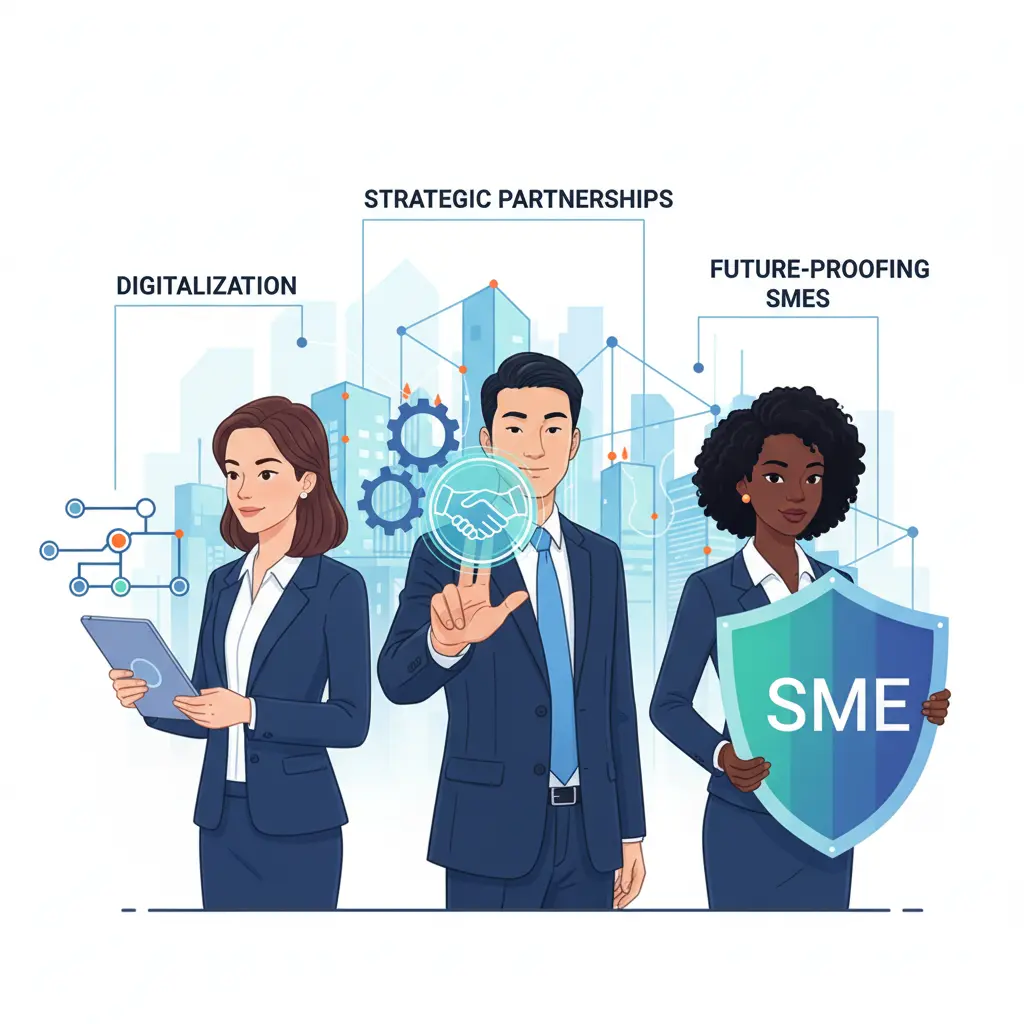
In an increasingly interconnected yet volatile global economy, Small and Medium-sized Enterprises (SMEs) are pivotal drivers of economic growth and innovation. However, they frequently face disproportionate challenges in navigating the complexities of international trade, from fluctuating market demands and logistical hurdles to intense competition. To ensure their sustained viability and expansion, implementing robust Global Trade Resilience Measures for SMEs is not merely advantageous but imperative. This involves a dual approach: leveraging the transformative power of digitalization and forging strategic alliances that amplify their reach and capabilities. By embracing these long-term strategies, SMEs can effectively future-proof their operations, mitigate risks, and seize new opportunities in the dynamic global trade arena.
1. Embracing Digital Trade Platforms and E-commerce
The digital revolution has democratized global trade, offering SMEs unprecedented access to international markets. Embracing digital trade platforms and e-commerce is a fundamental pillar of modern SME strategy. These platforms transcend geographical barriers, enabling businesses to showcase products and services to a global customer base with minimal overheads. Beyond direct sales, digital tools facilitate critical aspects of international trade, from streamlined customs declarations and logistics management to secure cross-border payment systems. For many SMEs, identifying and accessing export financing for SMEs often begins with a digital footprint, as banks and financial institutions increasingly evaluate online presence and transaction histories. Furthermore, governments and trade organizations are increasingly offering digital transformation support and international trade subsidies small business initiatives specifically designed to help SMEs transition to digital models. Investing in robust e-commerce capabilities, mastering digital marketing, and utilizing data analytics to understand global market trends are crucial steps. This digital integration not only boosts sales but also provides invaluable market intelligence, allowing SMEs to adapt their offerings and strategies in real-time, enhancing their overall Global Trade Resilience Measures for SMEs.
2. Forming Strategic Alliances and Trade Associations
While digitalization offers individual empowerment, collective strength remains invaluable for SMEs in the global marketplace. Forming strategic alliances and joining trade associations can provide a multitude of benefits that solo enterprises often struggle to achieve. Partnerships with larger companies, other SMEs, or even international distributors can lead to shared resources, reduced risks, and expanded market access. For instance, pooling resources for shipping or logistics can significantly lower costs, making international trade more feasible. Trade associations, on the other hand, serve as powerful advocacy groups, representing the collective interests of SMEs in policy discussions and negotiations. They often provide crucial market intelligence, networking opportunities, and access to training programs. Furthermore, collective efforts are often more successful in securing vital support such as supply chain stability grants or accessing specific governmental Vietnam SME export assistance programs. These alliances not only foster a sense of community but also create more resilient supply chains, allow for collective bargaining power, and provide a platform for knowledge sharing, all of which are critical components of a robust strategy for global trade resilience.
3. Skills Development for International Markets
Even with the best digital tools and strategic partners, human capital remains the ultimate determinant of success. For SMEs to thrive in international trade, continuous skills development is paramount. This goes beyond basic business acumen to encompass specialized knowledge required for cross-border operations. Key areas include digital literacy for e-commerce and platform management, understanding international trade regulations and compliance, cross-cultural communication for effective negotiations, and proficiency in foreign languages. Training programs focusing on international logistics, export documentation, and risk management are also vital. Governments, trade associations, and educational institutions play a crucial role in providing accessible and relevant training initiatives tailored for SMEs. By investing in their workforce’s capabilities, SMEs can better navigate the complexities of global markets, anticipate challenges, and adapt quickly to changing conditions. This proactive approach to human capital development ensures that the enterprise is equipped not just with technology, but with the intelligent, adaptable talent needed to implement effective Global Trade Resilience Measures for SMEs and sustain long-term growth in the competitive global trade landscape.
Partner with Vietnam’s Leading Suppliers
Looking for reliable suppliers in Vietnam? Contact VietnamSuppliers.com today to connect with verified manufacturers and exporters across all industries.
—————————————
References
– WTO’s work on small and medium-sized enterprises: https://www.wto.org/english/news_e/archive_e/sme_e/sme_e.htm
– Bridging the gap: financing solutions for SMEs to trade: https://www.intracen.org/news/Bridging-the-gap-financing-solutions-for-SMEs-to-trade/
– Export Financing Programs – U.S. Small Business Administration (SBA): https://www.sba.gov/funding-programs/loans/export-financing
– ITC and EU strengthen trade support for Vietnamese SMEs: https://www.intracen.org/news/ITC-and-EU-strengthen-trade-support-for-Vietnamese-SMEs/
– Digital Transformation Key to SMEs’ Competitiveness: https://www.intracen.org/news/digital-transformation-key-to-smes-competitiveness/