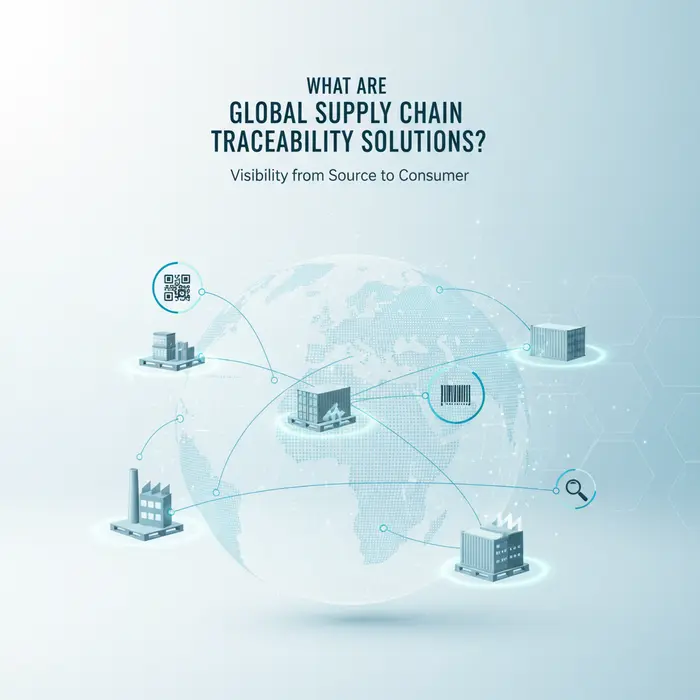
What Are Global Supply Chain Traceability Solutions?
In an increasingly interconnected yet fragmented world, the journey of a product from raw materials to the end-consumer is a complex tapestry woven across continents. Modern global supply chains, while efficient, present significant challenges in oversight, accountability, and transparency. This is where Global Supply Chain Traceability Solutions become indispensable, transforming opaque networks into visible pathways. At its core, traceability is the ability to identify and follow an item’s history, location, or application through recorded identification. In a global context, it extends this capability across international borders, diverse regulatory frameworks, and myriad logistical checkpoints, providing unprecedented clarity and control over product movement and origin. Understanding these solutions is crucial for businesses aiming to enhance compliance, build consumer trust, and optimize operational resilience in today’s dynamic market.
1. Defining Product Traceability in a Global Context
Product traceability, within a global framework, goes beyond simply knowing a shipment’s current location. It encompasses the meticulous collection and secure storage of data pertaining to every stage of a product’s lifecycle—from raw material extraction, through processing, manufacturing, assembly, packaging, transportation, distribution, and ultimately to the point of sale. This comprehensive data trail allows stakeholders to reconstruct an item’s entire journey, pinpointing its origin, identifying all involved entities, and understanding conditions encountered along the way. The “global” aspect significantly amplifies complexity, involving disparate legal systems, varying quality standards, and fragmented digital infrastructures across countries. Effective global product traceability solutions must therefore be interoperable, capable of integrating data from diverse sources and presenting it coherently. This capability is paramount for ensuring product authenticity, verifying sustainable sourcing, and addressing ethical concerns related to labor practices or environmental impact.
2. The Evolution and Necessity of Supply Chain Visibility
The demand for robust supply chain visibility is an evolutionary response to escalating challenges and shifting stakeholder expectations. Historically, businesses operated with limited insight into their extended networks. However, high-profile product recalls, sophisticated counterfeit operations, growing consumer awareness regarding ethical sourcing and sustainability, and increasingly stringent international trade compliance traceability regulations and due diligence standards have necessitated a radical shift. This imperative for deeper insight has fueled the rapid adoption of Supply Chain Transparency Software and advanced digital tools. The necessity stems from multiple fronts: mitigating risks like supply disruptions and reputational damage, enhancing efficiency through optimized logistics and inventory management, and building profound consumer trust by providing verifiable proof of a product’s integrity and provenance. Without comprehensive visibility, companies risk financial penalties, brand erosion, and failing to meet the evolving ethical and environmental demands of modern commerce.
3. Key Components of a Comprehensive Traceability System
A truly effective global supply chain traceability system is a sophisticated amalgamation of technology, data management, and strategic integration. At its foundation are data capture technologies such as RFID tags, QR codes, IoT sensors, and GPS, which automatically collect real-time information about a product’s location, environmental conditions, and handling events. This raw data is then fed into centralized or decentralized data management platforms, often cloud-based, that process, store, and analyze vast quantities of information. A critical component in modern solutions is Blockchain Supply Chain Traceability, offering an immutable, distributed ledger for recording transactions and product movements. This ensures data integrity and builds trust among multiple supply chain partners. Furthermore, these systems integrate with existing enterprise resource planning (ERP) and warehouse management (WMS) systems for seamless data flow and operational alignment. The ultimate benefits of product traceability derived are immense: improved recall efficiency, reduced fraud, enhanced compliance with International Trade Compliance Traceability standards, and the ability to demonstrate commitment to ethical and sustainable practices, bolstering brand value and consumer loyalty.
Supply Chain Transparency Software: Powering Visibility
In an increasingly interconnected global marketplace, the complexity of modern supply chains presents both immense opportunities and significant challenges. Consumers, regulators, and stakeholders alike demand greater accountability and insight into the origin, journey, and ethical footprint of products. This imperative has driven the rapid evolution and adoption of Supply Chain Transparency Software – powerful digital solutions designed to illuminate every dark corner of a product’s lifecycle, from raw material sourcing to final delivery. These platforms are foundational for building resilient, ethical, and efficient operations, providing robust Global Supply Chain Traceability Solutions that unlock competitive advantages and foster trust.
The ability to see, understand, and act upon real-time data from every supply chain node is no longer a luxury but a necessity. Companies leverage these innovative software suites to mitigate risks, ensure compliance, enhance sustainability, and deliver superior customer experiences. By centralizing disparate data, supply chain transparency software transforms opaque networks into fully visible ecosystems.
1. Types of Supply Chain Visibility Platforms
The landscape of supply chain visibility platforms is diverse, reflecting the multifaceted nature of modern logistics and procurement. Each type offers specialized functionalities that, when integrated, contribute to comprehensive transparency. Real-time tracking solutions, for instance, utilize technologies like GPS, RFID, and IoT sensors to monitor the location, condition, and status of goods in transit or storage, providing immediate data on potential delays or temperature excursions.
Beyond physical tracking, Supplier Relationship Management (SRM) platforms assess supplier performance, manage contracts, and ensure adherence to ethical and sustainability standards. Inventory Management Systems (IMS) and Warehouse Management Systems (WMS) enhance visibility within storage facilities, optimizing stock levels and streamlining order fulfillment. Logistics and Transportation Management Systems (TMS) optimize routes, manage freight, and provide end-to-end shipment visibility, improving efficiency and reducing costs.
Perhaps the most transformative are dedicated traceability platforms, often leveraging advanced technologies like AI to analyze vast datasets, predict disruptions, and verify product authenticity. These solutions are pivotal in delivering the full benefits of product traceability, ensuring every product can be traced to its origin – a critical factor for consumer safety and brand reputation.
2. Features of Modern Traceability Software
Contemporary traceability software incorporates a suite of sophisticated features designed for deep operational insight and compliance. A cornerstone is robust data capture and integration, allowing seamless ingestion of information from various enterprise systems (ERP, CRM, WMS) and external sources like IoT devices and regulatory databases. This creates a unified data backbone for the entire supply chain.
Serialization and lot tracking are fundamental, assigning unique identifiers to individual products or batches, enabling granular visibility and precise recall management. Many platforms now build digital twins – virtual replicas of physical products or processes – offering dynamic insights and predictive analytics. Advanced reporting and analytics dashboards provide intuitive visualizations of key performance indicators, enabling proactive decision-making.
Crucially, modern solutions offer comprehensive compliance management tools, helping businesses navigate complex global regulations and ensuring International Trade Compliance Traceability. This includes features for documenting certifications, ethical sourcing, and environmental impact. The integration of Blockchain Supply Chain Traceability is also increasingly prevalent, providing an immutable, decentralized ledger that enhances trust, reduces fraud, and validates authenticity and provenance.
3. Integrating Solutions for End-to-End Transparency
Achieving true end-to-end transparency demands a strategic approach to integration. Many organizations face siloed systems, where departments or supply chain partners operate with disconnected software, leading to data gaps. Modern supply chain transparency software addresses this by emphasizing interoperability, often relying on open APIs to facilitate seamless data exchange between diverse platforms, from ERPs and TMS to customs systems and consumer-facing apps.
This holistic integration strategy transforms fragmented data into a cohesive narrative of a product’s journey. By connecting real-time tracking, supplier compliance data, inventory levels, and blockchain-verified records, companies gain unparalleled visibility. This not only enhances operational efficiency but also strengthens risk management capabilities, allowing businesses to quickly identify and respond to disruptions, quality issues, or ethical concerns.
Ultimately, integrating these advanced platforms drives greater accountability across the network, fostering sustainable practices and bolstering consumer confidence. For businesses seeking to optimize operations, meet growing regulatory demands, and build a reputation for integrity, investing in integrated Supply Chain Transparency Software is a strategic imperative that powers resilience and drives sustainable growth in the global economy.
Blockchain’s Impact on Supply Chain Traceability
Blockchain technology is profoundly revolutionizing traceability by providing immutable, secure, and decentralized records for product journeys across complex global networks. In today’s interconnected world, the demand for transparent and verifiable supply chains is at an all-time high, driven by consumer expectations, regulatory pressures, and the need for operational efficiency. Traditional supply chains often suffer from a lack of transparency, prone to data silos, fraud, and inefficient information sharing. Blockchain emerges as a powerful enabler for Global Supply Chain Traceability Solutions, addressing these challenges head-on by creating a single, shared, and unalterable source of truth.
1. How Blockchain Enhances Data Integrity and Trust
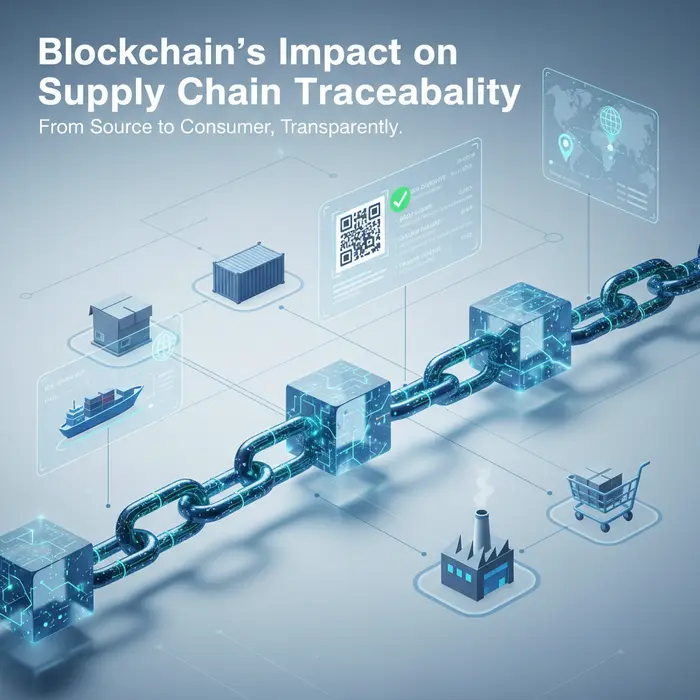
At its core, blockchain is a distributed ledger technology that records transactions (or blocks) in a secure and chronological chain. Each block is cryptographically linked to the previous one, forming an immutable record. This inherent structure means that once data is recorded on the blockchain, it cannot be altered or deleted, only added to. This characteristic is fundamental to enhancing data integrity in supply chains. Every participant in the network – from raw material suppliers to manufacturers, distributors, and retailers – can record their interactions and product movements on the ledger. This shared, tamper-proof record eliminates the need for intermediaries to verify data, fostering unparalleled trust among all stakeholders. With a robust blockchain in supply chain system, the provenance of a product can be traced back to its origin with absolute certainty, significantly reducing the risk of counterfeit goods, unauthorized diversions, and data manipulation. This foundational trust is crucial for implementing effective Supply Chain Transparency Software.
2. Advantages of Blockchain Supply Chain Traceability
The adoption of Blockchain Supply Chain Traceability offers a multitude of advantages beyond just data integrity. Firstly, it provides unprecedented end-to-end visibility. Stakeholders can track goods in real-time as they move through the supply chain, gaining insights into their location, condition, and handling. This granular visibility is a key aspect of the Benefits of Product Traceability. Secondly, it drastically improves efficiency. Manual data entry and reconciliation processes, often sources of delays and errors, are minimized. Automated smart contracts can trigger payments or actions once predefined conditions (e.g., product arrival) are met, streamlining operations and reducing administrative overhead. Thirdly, blockchain significantly bolsters compliance and risk management. For industries with strict regulatory requirements, such as pharmaceuticals or food, blockchain provides an irrefutable audit trail, making International Trade Compliance Traceability much more straightforward. In the event of a product recall, affected batches can be identified and isolated swiftly and accurately, minimizing damage and protecting consumers. Furthermore, it enhances ethical sourcing and sustainability efforts, allowing companies to verify claims about fair labor practices or environmentally friendly production processes.
3. Real-World Applications and Case Studies
The practical applications of blockchain in supply chains are expanding rapidly across various sectors. In the food industry, companies like Walmart and Nestlé have leveraged blockchain platforms to trace food products from farm to fork, dramatically reducing the time needed to identify contamination sources during outbreaks. IBM Food Trust, for instance, is a prominent example of a platform facilitating this kind of rapid and reliable food traceability. In the luxury goods market, blockchain helps combat counterfeiting by providing verifiable digital identities for high-value items, ensuring authenticity for both brands and consumers. The pharmaceutical sector utilizes blockchain to secure drug supply chains, preventing the infiltration of counterfeit medicines and ensuring regulatory compliance. Automotive manufacturers are exploring blockchain for tracking parts and components, enhancing quality control and recall efficiency. These diverse case studies underscore blockchain’s versatility as a powerful tool for Global Supply Chain Traceability Solutions, demonstrating its capacity to build more resilient, transparent, and trustworthy supply networks worldwide.
The Tangible Benefits of Product Traceability
In today’s interconnected global economy, the journey of a product from raw material to the consumer’s hands is increasingly complex. Modern consumers demand transparency, regulators require accountability, and businesses strive for efficiency and resilience. Implementing robust product traceability solutions has thus become a non-negotiable imperative. Far from being a mere compliance checkbox, traceability offers a wealth of strategic advantages, fundamentally transforming how businesses operate, mitigate risks, and build lasting relationships with customers. From fortifying consumer trust and streamlining recalls to unlocking significant operational efficiencies, the benefits of product traceability are profound and critical for sustainable success.
1. Enhancing Consumer Trust and Brand Reputation
One of the most impactful advantages of comprehensive product traceability is its ability to cultivate deep consumer trust and bolster brand reputation. In an era where consumers prioritize product origins, ethical sourcing, and safety standards, providing transparent, verifiable information about a product’s journey is invaluable. Supply chain transparency software allows consumers to access details ranging from ingredient origins and manufacturing processes to environmental impact. This openness builds confidence, assuring buyers that products meet high standards and align with their values. Brands embracing traceability demonstrate a clear commitment to quality, responsibility, and honesty. This transparency not only helps attract new customers but also fosters loyalty among existing ones, directly translating into perceived value and brand prestige.
2. Improving Risk Management and Product Recall Efficiency
Effective risk management is paramount for any business operating within a complex global supply chain. Product traceability provides unparalleled capability to identify, isolate, and mitigate potential issues with speed and precision. When a product defect, contamination, or safety concern arises, the ability to trace every component and finished good back to its source is critical. This granular visibility minimizes damage, allowing companies to pinpoint affected batches quickly, rather than resorting to costly, broad-brush recalls. For industries like food and pharmaceuticals, where consumer safety is paramount, rapid and accurate identification prevents widespread health crises. Solutions often leverage FDA Food Traceability Guidance to comply with stringent regulations, ensuring all necessary data points are captured. Furthermore, robust traceability systems dramatically improve recall efficiency, enabling swift notification of affected parties, rapid removal of faulty products, and clear communication to consumers. This proactive approach safeguards public health and protects the brand from severe reputational and financial repercussions. International trade compliance traceability also ensures products meet diverse regulatory requirements, reducing the risk of customs delays or fines.
3. Driving Operational Efficiencies and Cost Savings
Beyond building trust and mitigating risks, product traceability solutions are powerful engines for driving significant operational efficiencies and realizing substantial cost savings across the entire value chain. By providing real-time data and insights into the movement and status of goods, businesses gain unprecedented visibility. This allows for optimized inventory management, reducing stockouts or overstocking and minimizing waste. Data collected through traceability systems, often powered by Global Supply Chain Traceability Solutions that integrate technologies like Blockchain Supply Chain Traceability, can identify bottlenecks and inefficiencies. For example, understanding the precise location and condition of products in transit informs better routing, reduces transit times, and lowers transportation costs. In manufacturing, traceability data tracks components through every stage, identifying defective inputs early, reducing rework, and improving quality control. This proactive identification prevents costly downstream problems. Detailed audit trails also simplify compliance, reducing administrative burdens and potential fines. Ultimately, these comprehensive insights empower data-driven decisions, leading to leaner operations, reduced waste, improved forecasting, and a stronger bottom line.
In conclusion, the strategic implementation of product traceability is no longer a luxury but a fundamental necessity for businesses aiming for resilience, growth, and sustainability. The benefits of product traceability extend far beyond mere compliance, encompassing enhanced consumer trust, robust brand reputation, superior risk management, efficient product recalls, and significant operational cost savings. As global supply chains evolve and consumer expectations for transparency rise, investing in comprehensive Global Supply Chain Traceability Solutions becomes a critical competitive differentiator, positioning companies for long-term success.
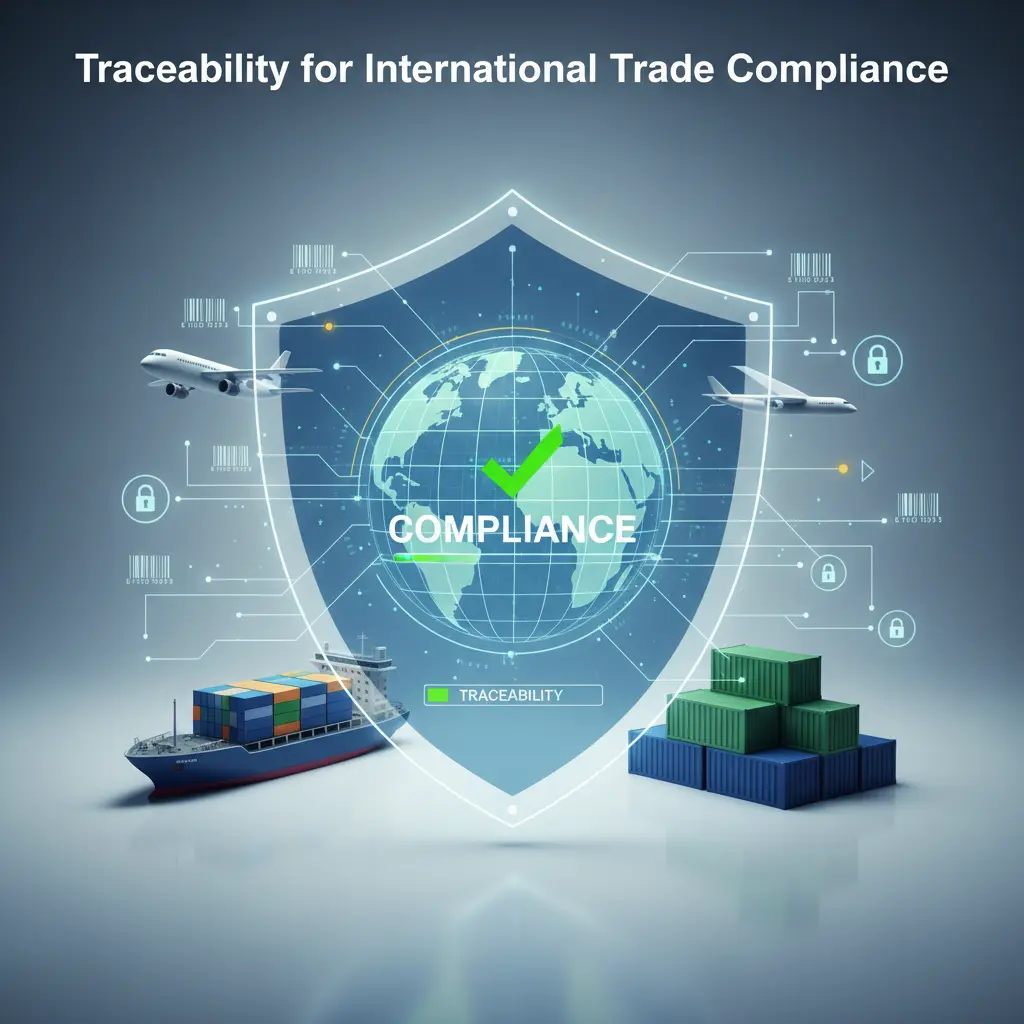
Traceability for International Trade Compliance
In today’s interconnected global economy, businesses operate within an intricate web of international trade regulations, customs protocols, and compliance standards. Navigating this complexity requires more than just careful documentation; it demands robust Global Supply Chain Traceability Solutions. These solutions are not merely about tracking products from origin to destination; they are fundamental to ensuring adherence to an ever-evolving landscape of laws, mitigating risks, and fostering trust across borders. From stringent product safety mandates to ethical sourcing requirements, the ability to accurately trace every component and process within a supply chain has become an indispensable asset for international trade compliance.
Effective International Trade Compliance Traceability empowers companies to demonstrate transparency and accountability, crucial elements for successful global operations. It encompasses the use of advanced technologies like Blockchain Supply Chain Traceability and sophisticated Supply Chain Transparency Software, which together create an immutable record of a product’s journey. This level of detail provides unparalleled visibility, allowing businesses to anticipate and address potential compliance issues before they escalate, thereby protecting their reputation and ensuring operational continuity.
1. Meeting Regulatory Requirements (e.g., CTPAT, FSMA)
Adhering to diverse international regulatory frameworks is a paramount challenge for any business engaged in global trade. Global Supply Chain Traceability Solutions are vital for meeting these multifaceted demands, serving as a cornerstone for compliance. Programs like the U.S. Customs and Border Protection’s Customs Trade Partnership Against Terrorism (CTPAT) emphasize supply chain security, requiring partners to implement measures that secure their supply chains against terrorism. Traceability systems provide the detailed, verifiable data needed to demonstrate compliance with CTPAT’s security criteria, including cargo integrity, procedural security, and personnel screening.
Similarly, regulations such as the Food Safety Modernization Act (FSMA) in the United States, particularly its Section 204 on food traceability, demand end-to-end visibility for certain foods. Businesses dealing with perishable goods or specific high-risk items must be able to quickly trace products backward to their origin and forward to their destination. Traceability solutions enable rapid recall capabilities, minimize public health risks, and ensure regulatory adherence, thereby safeguarding consumer trust and avoiding hefty penalties. By providing comprehensive audit trails and real-time data, these solutions allow companies to proactively manage compliance and swiftly respond to any regulatory queries or incidents.
2. Streamlining Customs Processes and Reducing Delays
Efficient customs clearance is critical for timely delivery and cost-effectiveness in international trade. The lack of precise, easily accessible information often leads to bureaucratic hurdles, prolonged inspections, and costly delays at borders. Robust traceability systems, powered by Supply Chain Transparency Software, significantly streamline these processes by providing customs authorities with accurate and complete documentation almost instantaneously. By presenting verified data on product origin, composition, and movement, businesses can reduce the likelihood of manual inspections and accelerate clearance times.
Furthermore, advanced Blockchain Supply Chain Traceability can create a trusted, immutable ledger of all trade-related information, making it easier for customs officials to verify data integrity. This fosters greater trust between traders and customs agencies, potentially qualifying companies for expedited clearance programs. The ability to quickly retrieve and present detailed shipment information helps prevent demurrage charges, avoids penalties for non-compliance, and ultimately improves the overall efficiency and predictability of cross-border logistics. This proactive approach to data management transforms customs compliance from a potential bottleneck into a smooth, integrated part of the global supply chain.
3. Combating Counterfeiting and Illicit Trade
Counterfeiting and illicit trade pose significant threats to brand reputation, consumer safety, and global economic stability. They divert legitimate revenues, undermine intellectual property rights, and can even fund criminal activities. Global Supply Chain Traceability Solutions are powerful tools in the fight against these illegal practices. By assigning unique identifiers to each product unit and tracking its journey through the supply chain, businesses can authenticate products at any point.
Technologies such as serialization and secure digital platforms empower consumers, retailers, and customs officials to verify a product’s authenticity, instantly flagging suspicious items. This deters counterfeiters, as their fake products cannot replicate the legitimate traceability data. Moreover, robust traceability provides critical intelligence on the pathways of illicit goods, enabling law enforcement to identify and disrupt illegal networks more effectively. Protecting against counterfeits not only safeguards brand equity but also ensures that consumers receive genuine, safe products. The comprehensive benefits of product traceability in this context extend beyond compliance, contributing to a more secure and ethical global marketplace.
Partner with Vietnam’s Leading Suppliers
Looking for reliable suppliers in Vietnam? Contact VietnamSuppliers.com today to connect with verified manufacturers and exporters across all industries.
—————————————
References
– OECD Due Diligence Guidance for Responsible Business Conduct: https://www.oecd.org/investment/due-diligence-guidance/
– Driving supply chain digital transformation: https://www.deloitte.com/us/en/insights/topics/operations/supply-chain-digital-transformation.html
– Deloitte’s insights on blockchain in supply chains: https://www2.deloitte.com/us/en/pages/technology/articles/blockchain-supply-chain.html
– FDA Food Traceability Guidance: https://www.fda.gov/food/food-traceability-guidance-new-era-smarter-food-safety
– :