Understanding the Evolving Risk Landscape
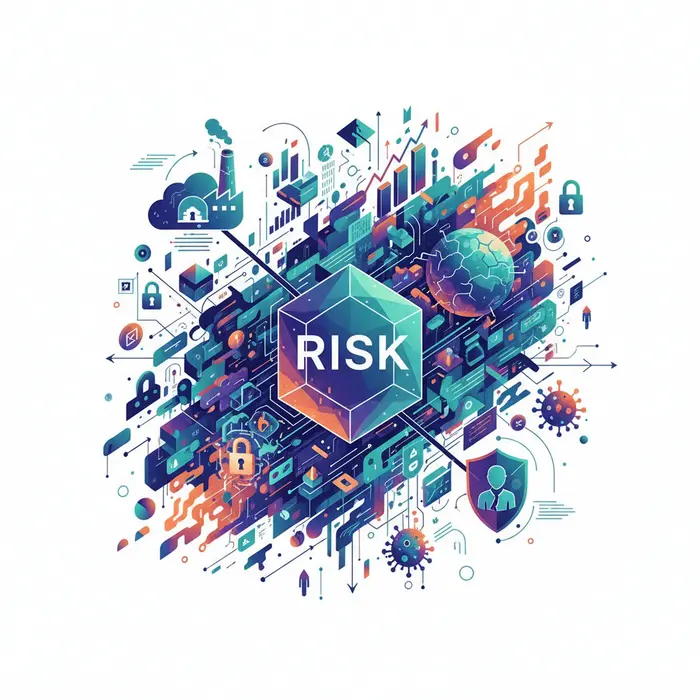
The global business environment is in a constant state of flux, making the effective management of supply chains more complex and critical than ever before. Organizations worldwide are grappling with a diverse array of threats that can disrupt operations, erode profitability, and damage reputations. This section sets the stage by outlining the dynamic nature of these global risks impacting supply chains, highlighting the absolute necessity for proactive Global Supply Chain Risk Management to ensure resilience and continuity in an unpredictable world. From geopolitical shifts to technological vulnerabilities, understanding these evolving threats is the first step towards building robust and adaptable supply networks.
1. Geopolitical Volatility and Economic Uncertainty
Geopolitical volatility and economic uncertainty represent a formidable and often unpredictable category of risks for global supply chains. These encompass a broad spectrum of events, including trade wars, sanctions, political instability in key manufacturing regions, and shifts in international alliances. Such events can lead to sudden changes in International Trade Regulations, tariffs, and customs procedures, making Import Compliance Solutions indispensable for businesses navigating complex cross-border movements. Economic uncertainties, such as inflation, currency fluctuations, and recessions, directly impact demand, production costs, and financial stability across the supply chain. Businesses must continuously monitor political developments and economic indicators to anticipate potential disruptions, re-evaluate sourcing strategies, and ensure compliance with ever-changing legal frameworks. Proactive scenario planning and diversification of suppliers are crucial tactics in mitigating the profound effects of this risk category.
2. Climate Change and Natural Disasters’ Impact
The escalating impacts of climate change are profoundly reshaping the risk landscape for supply chains, manifesting primarily through an increased frequency and intensity of natural disasters. Events such as extreme floods, droughts, hurricanes, wildfires, and seismic activities can severely disrupt transportation routes, damage manufacturing facilities, and deplete critical resources. Beyond immediate physical destruction, climate change also introduces long-term risks like resource scarcity, shifting agricultural yields, and new regulatory pressures related to environmental sustainability. For example, a single extreme weather event in a major logistics hub can cascade delays and shortages across an entire global network. Effective Supplier Risk Assessment becomes paramount, requiring companies to evaluate not just a supplier’s operational capabilities but also their geographical exposure to climate-related hazards and their resilience strategies. Building climate-resilient supply chains demands investment in adaptive infrastructure, diversified sourcing, and robust disaster recovery plans.
3. Cybersecurity Threats in the Supply Chain
As supply chains become increasingly digitized and interconnected, they concurrently become more vulnerable to sophisticated cybersecurity threats. These threats are not limited to direct attacks on a company’s own systems but extend to vulnerabilities within any partner in the extended supply network. Common threats include data breaches, ransomware attacks, intellectual property theft, and the disruption of operational technology (OT) systems. A breach at a third-party logistics provider, a customs broker, or even a material supplier can halt operations, compromise sensitive information, and erode customer trust. The reliance on Global Trade Compliance Software and other digital platforms, while enhancing efficiency, also expands the attack surface. Implementing robust cybersecurity protocols, conducting thorough due diligence on all supply chain partners, and fostering a culture of cyber hygiene are essential. Organizations must employ advanced threat detection, incident response planning, and continuous security monitoring to protect their critical data and maintain operational integrity against ever-evolving cyber adversaries. For further insights into managing these digital threats, the Cybersecurity & Infrastructure Security Agency (CISA) provides comprehensive guidance on supply chain security.
Core Pillars of Effective Risk Mitigation
In an increasingly interconnected and volatile global marketplace, robust Global Supply Chain Risk Management is not merely a best practice; it is a fundamental imperative for sustained business continuity and growth. Building resilience against unforeseen disruptions—be they geopolitical shifts, natural disasters, or economic downturns—requires a multifaceted and strategic approach. This section explores the foundational strategies and best practices crucial for developing an agile and resilient supply chain, focusing on proactive assessment, strategic diversification, and the intelligent application of data analytics.
Proactive Supplier Risk Assessment Strategies
At the heart of an effective risk mitigation framework lies a comprehensive and continuous Supplier Risk Assessment. This process extends far beyond mere financial viability checks, delving deep into operational capabilities, ethical standards, geographical vulnerabilities, and adherence to International Trade Regulations. Organizations must establish dynamic systems to evaluate potential and existing suppliers against a spectrum of criteria, including their disaster recovery plans, cybersecurity measures, labor practices, and environmental compliance.
Implementing sophisticated Import Compliance Solutions is paramount. These solutions help identify and mitigate risks associated with customs, tariffs, and non-compliance, which can lead to costly delays or even penalties. A proactive strategy involves regular audits, performance monitoring, and open communication channels with suppliers to foster transparency and build trust. By understanding the inherent risks within each supplier relationship and tier of the supply chain, companies can develop contingency plans, negotiate favorable terms, and even assist suppliers in strengthening their own resilience. Staying abreast of evolving global trade policies and regulations is crucial, and resources like the World Trade Organization (WTO) agreements provide essential frameworks for understanding international trade landscapes.
Diversification and Redundancy Planning
Over-reliance on a single supplier, region, or shipping route significantly amplifies exposure to risk. Diversification and redundancy planning are critical counter-strategies to build resilience. This involves strategically distributing supply sources across multiple geographies and suppliers, ensuring that a disruption in one area does not cripple the entire operation. For instance, maintaining relationships with several manufacturers for critical components, even if some offer slightly higher costs, can prove invaluable during a crisis.
Redundancy also extends to logistics and inventory management. Exploring alternative shipping routes, modes of transport, and maintaining strategically located safety stock can buffer against unforeseen disruptions to transportation networks or manufacturing delays. While striking a balance between cost-efficiency and resilience is key, the investment in diversification often pays dividends by preventing catastrophic losses. Companies should evaluate their critical inputs and proactively identify alternative sources or production capabilities to minimize single points of failure, thereby bolstering overall Global Supply Chain Risk Management.
Data Analytics for Early Warning Systems
In the digital age, data analytics has emerged as an indispensable tool for enhancing supply chain visibility and foresight. Implementing robust early warning systems powered by advanced analytics allows organizations to detect potential disruptions before they escalate into major crises. These systems aggregate data from various sources—including news feeds, weather patterns, geopolitical analyses, supplier performance metrics, and social media sentiment—to provide real-time insights into emerging risks.
Leveraging Global Trade Compliance Software integrated with predictive analytics can monitor regulatory changes, identify trade tariff fluctuations, and flag potential compliance issues across multiple jurisdictions. Machine learning algorithms can analyze historical data to predict supplier failures, demand spikes, or logistics bottlenecks with increasing accuracy. By transforming vast amounts of raw data into actionable intelligence, businesses can make informed decisions, activate contingency plans swiftly, and communicate proactively with stakeholders. This technological integration transforms risk management from a reactive exercise into a proactive, intelligent defense mechanism.
Effectively managing risk in the global supply chain demands a proactive, integrated, and technology-driven approach. By embedding robust supplier risk assessment strategies, embracing diversification and redundancy, and leveraging the power of data analytics for early warning, businesses can build resilient supply chains capable of navigating complexity and uncertainty. These core pillars not only mitigate potential threats but also transform challenges into opportunities for strategic advantage, ensuring continuity and fostering long-term stability in an ever-evolving global landscape.
Navigating International Trade Regulations & Compliance
In an increasingly interconnected global economy, businesses face the complex challenge of navigating a labyrinth of International Trade Regulations and compliance requirements. A deep dive into this intricate world reveals the critical role of robust Global Supply Chain Risk Management strategies, with effective Import Compliance Solutions being paramount to avoiding costly disruptions, severe penalties, and reputational damage. From customs duties and tariffs to export controls and sanctions, understanding and adhering to these rules is not just a legal obligation but a strategic imperative for sustainable international operations.

1. Key International Trade Regulations to Monitor
The landscape of International Trade Regulations is vast and ever-evolving, requiring constant vigilance from companies engaged in cross-border commerce. Businesses must meticulously monitor and adhere to a multitude of rules that dictate how goods move across borders. These include, but are not limited to, customs duties and tariffs, which vary significantly by country and product classification (Harmonized System codes). Understanding Country of Origin (COO) rules is also crucial, as it impacts tariffs, quotas, and labeling requirements. Furthermore, companies must comply with product-specific regulations concerning safety standards, environmental compliance, and intellectual property rights, which can differ dramatically from one jurisdiction to another. Non-compliance in any of these areas can lead to significant delays, seizure of goods, fines, and even criminal charges, underscoring the necessity for a proactive approach to trade compliance.
2. Implementing Robust Import Compliance Solutions
To effectively manage the complexities highlighted above, implementing robust Import Compliance Solutions is non-negotiable. Such solutions form the backbone of a resilient Global Supply Chain Risk Management framework. This involves several critical components:
- Due Diligence: Thoroughly vetting suppliers and partners to ensure their compliance with relevant trade laws and ethical standards.
- Accurate Documentation: Maintaining precise and complete records for all import transactions, including commercial invoices, packing lists, bills of lading, and certificates of origin. Errors or omissions can cause significant delays and trigger audits.
- Classification Management: Correctly classifying goods under the Harmonized System (HS) and national tariff schedules to ensure accurate duty assessment and regulatory adherence.
- Leveraging Technology: Implementing Global Trade Compliance Software can automate classification, screening, and documentation processes, significantly reducing human error and enhancing efficiency. These tools provide real-time updates on regulatory changes, ensuring continuous compliance.
- Training and Education: Regularly training staff involved in international trade operations on the latest International Trade Regulations and internal compliance procedures is vital.
By integrating these elements, businesses can create a robust defense against compliance failures and ensure smooth, uninterrupted supply chain operations.
3. Sanctions Screening and Export Controls
Perhaps one of the most critical and high-risk areas within International Trade Regulations involves sanctions screening and export controls. These regulations are designed to prevent sensitive goods, technologies, and services from falling into the wrong hands or being used for prohibited purposes. Companies must conduct rigorous sanctions screening against various government lists, such as the Specially Designated Nationals (SDN) list published by the U.S. Department of the Treasury’s Office of Foreign Assets Control (OFAC) and the Denied Persons List. Failure to screen customers, suppliers, and other parties can result in massive fines and severe reputational damage. Export controls, governed by bodies like the U.S. Bureau of Industry and Security (BIS) through its Export Administration Regulations (EAR), dictate what goods, software, and technology can be exported to certain countries or end-users, especially those with dual-use applications (civilian and military). A comprehensive Supplier Risk Assessment process is essential here to identify and mitigate risks associated with suppliers who may be located in sanctioned countries or have connections to restricted entities. Proactive screening and adherence to these stringent rules are non-negotiable for any entity participating in global trade.
In conclusion, mastering the complexities of International Trade Regulations and implementing effective Import Compliance Solutions are fundamental pillars of modern Global Supply Chain Risk Management. By focusing on key regulatory areas, leveraging technology, and maintaining rigorous screening processes, businesses can not only avoid costly pitfalls but also build more resilient, transparent, and trustworthy supply chains in an ever-changing global environment.
The Role of Technology in Risk Management
Modern technology has fundamentally reshaped the landscape of supply chain risk management, transforming it from a reactive challenge into a proactive, strategic advantage. Businesses navigating the complexities of global trade now leverage sophisticated digital tools, particularly Global Supply Chain Risk Management solutions, to predict, monitor, and respond to potential disruptions with unprecedented efficiency. By integrating advanced software and analytical capabilities, companies can gain granular visibility, ensure compliance, and build resilient supply chains capable of withstanding various external shocks, from geopolitical shifts to natural disasters.
1. Leveraging Global Trade Compliance Software
At the forefront of this technological revolution is Global Trade Compliance Software. These specialized platforms are indispensable tools for businesses operating in an increasingly regulated international marketplace. They automate the complex and often error-prone processes associated with Import Compliance Solutions and adherence to diverse International Trade Regulations. Key functionalities include automated tariff classification, origin management, denied party screening, export control checks, and preferential trade agreement qualification. By centralizing compliance data and providing real-time updates on regulatory changes across different jurisdictions, Global Trade Compliance Software significantly reduces the risk of penalties, delays, and reputational damage. It enables companies to identify and mitigate potential compliance breaches before they occur, streamlining customs processes and ensuring smooth cross-border movement of goods. This proactive approach to trade compliance is a cornerstone of effective Global Supply Chain Risk Management, preventing disruptions stemming from non-compliance and fostering greater predictability in trade operations.
2. AI and Machine Learning for Predictive Risk Analysis
Beyond mere compliance, artificial intelligence (AI) and machine learning (ML) are transforming risk management by enabling highly sophisticated predictive analysis. These technologies can process vast datasets—including historical supply chain performance, real-time geopolitical news, weather patterns, economic indicators, and social media sentiment—to identify emerging risks long before they escalate. AI algorithms can detect subtle patterns and anomalies that human analysts might miss, forecasting potential disruptions such as raw material shortages, port congestion, sudden shifts in demand, or geopolitical instability. For instance, ML models can refine Supplier Risk Assessment by analyzing a supplier’s financial health, operational resilience, and past performance against industry benchmarks, flagging potential vulnerabilities. This predictive capability allows businesses to implement proactive mitigation strategies, such as diversifying sourcing, pre-booking alternative logistics routes, or adjusting inventory levels. The ability to anticipate and prepare for future challenges transforms risk management from a reactive measure into a strategic advantage, ensuring business continuity and operational resilience.
3. Blockchain for Supply Chain Transparency
Blockchain technology offers a groundbreaking solution for enhancing transparency and traceability throughout the supply chain, directly addressing critical risk factors like counterfeiting, ethical sourcing concerns, and data integrity. By creating an immutable, decentralized ledger of all transactions and movements of goods, blockchain provides an unparalleled level of visibility from source to consumer. Each step in the supply chain – from raw material procurement and manufacturing to shipping and delivery – can be recorded and verified on the blockchain, creating an auditable trail that cannot be altered. This transparency is invaluable for Global Supply Chain Risk Management, particularly in verifying product authenticity, ensuring ethical labor practices, and confirming sustainable sourcing. For example, consumers and businesses alike can trace a product’s origin, verifying its journey and components. In times of recall or quality issues, blockchain can swiftly pinpoint the exact source of the problem, minimizing impact and facilitating rapid resolution. While still evolving, blockchain’s potential to build trust, reduce information asymmetry, and improve accountability makes it a powerful tool in fortifying supply chain resilience against a multitude of risks.
Building a Resilient and Future-Proof Supply Chain
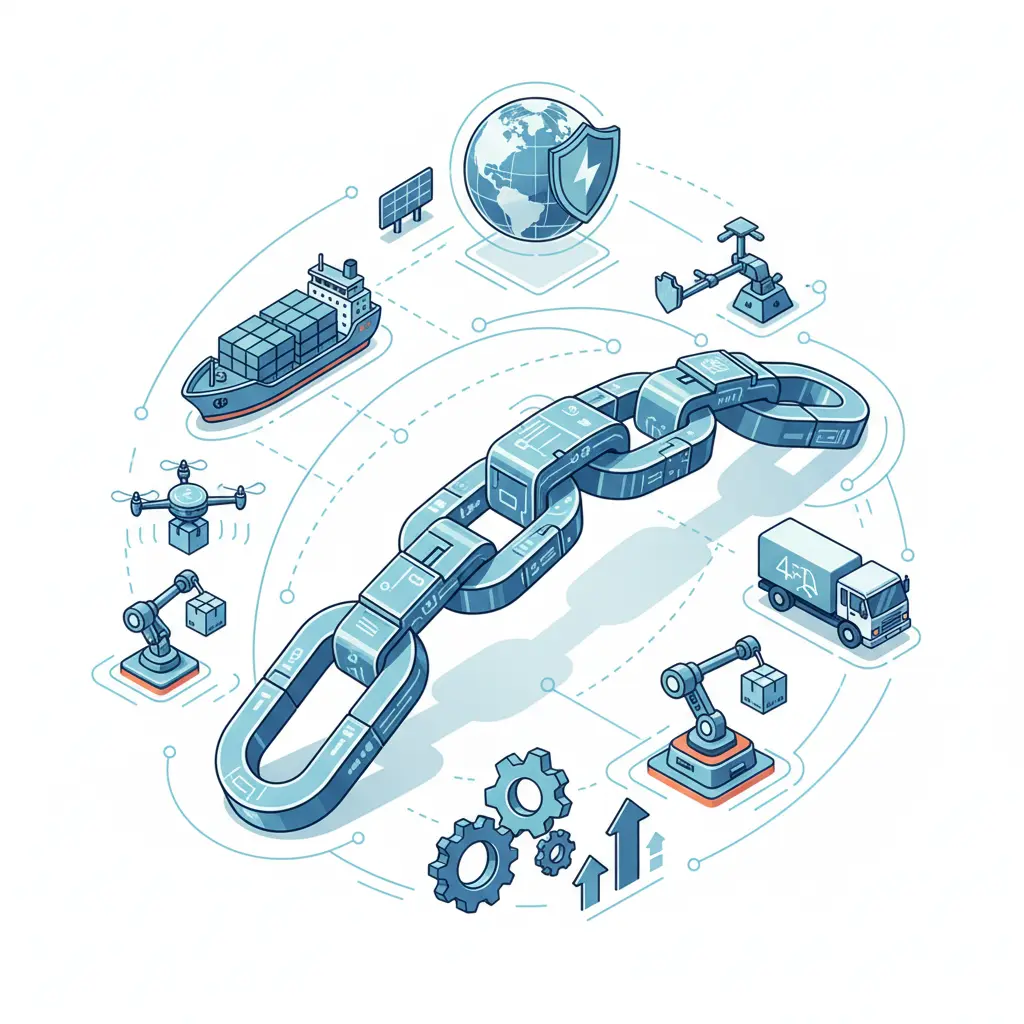
In an era defined by constant change and unpredictable disruptions, the ability to build a resilient and future-proof supply chain is no longer a luxury but a strategic imperative. From geopolitical shifts and natural disasters to unprecedented global health crises, the past decade has underscored the critical need for supply chains that can not only absorb shocks but also adapt, recover, and even thrive amidst adversity. This concluding section delves into long-term strategies essential for establishing robust, adaptable supply networks capable of navigating the complex challenges of tomorrow, fundamentally enhancing Global Supply Chain Risk Management.
1. Developing Agile Supply Chain Strategies
Agile supply chain strategies are paramount for future-proofing operations. This involves designing systems that can quickly respond to sudden shifts in demand, supply, or market conditions. Key to this approach is diversification—moving away from single-source reliance to a broader network of suppliers and manufacturing locations. Businesses must strategically map out alternative routes and partners to ensure continuity even when primary channels are disrupted. Embracing digital transformation, including the adoption of advanced analytics, artificial intelligence, and blockchain, provides the real-time visibility and predictive capabilities necessary to make swift, informed decisions. Such agility helps in proactively identifying potential bottlenecks and implementing Import Compliance Solutions to mitigate delays, ensuring that goods can move across borders without unnecessary impediments. This strategic adaptability is a cornerstone of effective Global Supply Chain Risk Management.
2. Continuous Monitoring and Improvement Cycles
A resilient supply chain is not a static construct but an evolving system that requires continuous monitoring and improvement. Implementing robust data analytics platforms allows organizations to track key performance indicators (KPIs) in real-time, from inventory levels and delivery times to supplier performance and geopolitical developments. This constant vigilance enables the early detection of anomalies and emerging risks. Regular audits and stress tests should be conducted to evaluate the supply chain’s resilience under various hypothetical scenarios, such as natural disasters or trade wars. Feedback loops, where lessons learned from past disruptions or inefficiencies are systematically integrated into operational adjustments, are vital. This iterative process ensures that the supply chain is perpetually strengthened, with an emphasis on proactive Supplier Risk Assessment and the refinement of operational protocols, ultimately contributing to better risk mitigation.
3. Collaborative Risk Management with Partners
Effective Global Supply Chain Risk Management extends beyond an organization’s internal operations to encompass its entire ecosystem of partners. Collaborative risk management involves fostering deep, transparent relationships with suppliers, logistics providers, distributors, and even customers. This shared responsibility model encourages open communication about potential risks and facilitates joint problem-solving. Implementing shared data platforms and communication channels allows for synchronized responses to disruptions, enhancing collective resilience. For instance, sharing insights on building resilient supply chains through collaborative technology solutions can help all parties anticipate and prepare for challenges. Furthermore, leveraging Global Trade Compliance Software can streamline processes, ensuring all partners adhere to international standards and reduce customs delays, thereby strengthening the entire network. Such collaboration transforms individual vulnerabilities into collective strengths, creating a truly robust and interconnected supply network.
Building a resilient and future-proof supply chain requires a holistic approach that integrates agility, continuous improvement, and deep collaboration. By investing in these strategic pillars, businesses can navigate the complexities of the global marketplace with greater confidence, transforming potential threats into opportunities for sustainable growth and ensuring the long-term viability of their operations.
Partner with Vietnam’s Leading Suppliers
Looking for reliable suppliers in Vietnam? Contact VietnamSuppliers.com today to connect with verified manufacturers and exporters across all industries.
—————————————
References
– Supply Chain Security | CISA: https://www.cisa.gov/topics/supply-chain-security
– World Trade Organization (WTO) agreements: https://www.wto.org/english/thewto_e/whatis_e/tif_e/agrm1_e.htm
– Export Administration Regulations (EAR): https://www.bis.doc.gov/index.php/regulations/export-administration-regulations-ear
– :
– Building Resilient Supply Chains – World Economic Forum: https://www.weforum.org/agenda/2021/04/how-to-build-resilient-supply-chains/