
Foundations of International Trade Compliance SOP
Explains the fundamental role and benefits of a well-defined Standard Operating Procedure (SOP) for ensuring seamless global trade compliance in an evolving regulatory landscape.
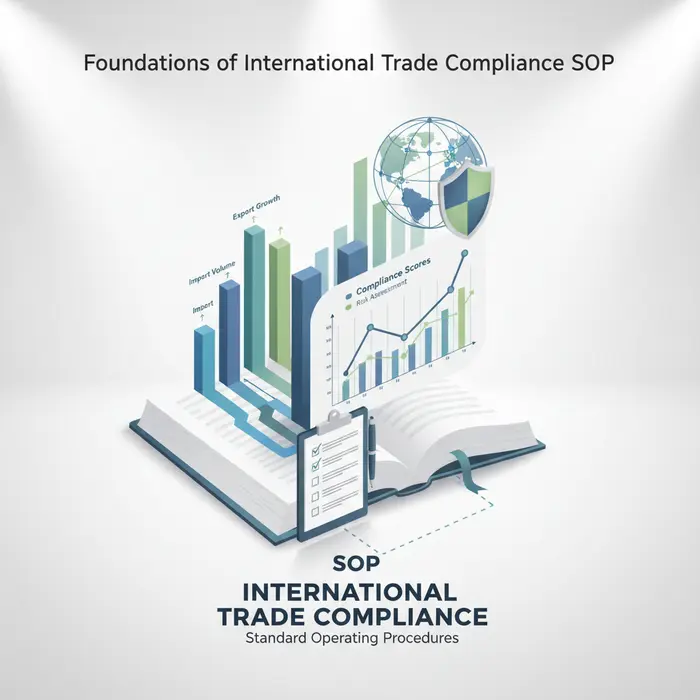
The increasingly interconnected yet volatile global economy demands an unwavering commitment to regulatory adherence. For businesses engaged in cross-border transactions, a robust International Trade Compliance SOP is no longer a luxury but a fundamental necessity. It serves as the bedrock for navigating complex customs regulations, export controls, import restrictions, and sanctions frameworks that continually evolve.
1. Defining ‘International Trade Compliance SOP’ for modern businesses
At its core, an International Trade Compliance SOP is a comprehensive, systematically documented set of instructions and protocols designed to ensure that all aspects of a company’s import and export operations adhere to national and international trade laws, regulations, and policies. For modern businesses, it’s far more than just a checklist; it’s a dynamic guide that standardizes processes, minimizes errors, and fosters a culture of compliance across the organization.
In today’s fast-paced environment, where supply chains stretch across continents, the specifics covered by an SOP are vast. It details everything from product classification and origin determination to sanctions screening and record-keeping requirements. A well-crafted Import Export Documentation SOP, for instance, would specify the exact forms needed for different types of goods and destinations, how they should be completed, and who is responsible for their submission. This level of detail is crucial for mitigating risks associated with misdeclarations, delays, and penalties, ensuring smooth customs clearance procedures and preventing costly disruptions in the supply chain.
2. Key benefits of a robust compliance framework in 2025
The year 2025 brings with it an even more intricate web of trade agreements, geopolitical shifts, and technological advancements, making the benefits of a robust trade compliance framework more pronounced than ever.
- Risk Mitigation: Perhaps the most significant advantage, a well-implemented International Trade Compliance SOP acts as the first line of defense against legal penalties, fines, shipment delays, and reputational damage. It helps businesses avoid violations of export controls (e.g., ITAR, EAR), anti-dumping duties, and embargoes. By clearly outlining Export Import Risk Management SOPs, companies can proactively identify and address potential compliance breaches before they escalate.
- Operational Efficiency and Cost Savings: Standardized procedures reduce guesswork, accelerate documentation processing, and streamline logistics. This efficiency translates directly into reduced operational costs, fewer customs delays, and optimized inventory management. Adopting Global Supply Chain SOP Best Practices ensures that compliance is integrated into every stage of the supply chain, from procurement to final delivery.
- Enhanced Reputation and Trust: Demonstrating a commitment to compliance builds trust with customs authorities, customers, and business partners. It positions a company as a reliable and ethical player in the global marketplace, a valuable asset in competitive landscapes.
- Market Access and Agility: Companies with robust compliance frameworks are better equipped to enter new markets and adapt to evolving trade policies. They can quickly assess the impact of new regulations and adjust their operations without significant disruption, gaining a competitive edge.
- Improved Internal Controls: An SOP fosters internal accountability by clearly defining roles, responsibilities, and reporting structures, making it easier to track compliance performance and identify areas for improvement.
For more information on global trade regulations and the benefits of streamlined procedures, consult authoritative sources such as the World Trade Organization’s Trade Facilitation Agreement.
3. Essential components of an effective Trade Compliance SOP
Creating an effective International Trade Compliance SOP requires a structured approach that covers all critical aspects of trade operations. While specifics may vary by industry and company size, several core components are universally essential:
- Scope and Policy Statement: Clearly define what the SOP covers, its objectives, and the company’s overarching commitment to trade compliance. This sets the tone and provides a foundational understanding.
- Roles and Responsibilities: Explicitly outline who is accountable for each compliance task, from senior management oversight to individual departmental duties. This includes roles in finance, legal, logistics, and sales.
- Detailed Procedures: This is the heart of the SOP. It should include step-by-step instructions for:
- Product Classification (HS, ECCN, HTS): How goods are identified and coded for customs and export control purposes.
- Origin Determination: Procedures for determining the country of origin, crucial for preferential trade agreements and tariffs.
- Valuation: Methods for declaring the customs value of goods.
- Denied Party Screening: Protocols for screening customers, vendors, and freight forwarders against government watchlists.
- License Management: Procedures for identifying, applying for, and managing import/export licenses.
- Customs Clearance Procedures Manual: Detailed steps for preparing customs declarations, interacting with customs brokers, and managing inspections.
- Record-Keeping: Specifies what records to keep, for how long, and where they should be stored to meet regulatory requirements (often 5-7 years).
- Training and Awareness: Protocols for ensuring that all relevant employees receive regular training on the SOP and understand their compliance obligations.
- Auditing and Review: Establish a schedule and methodology for internal and external audits to assess compliance effectiveness and identify areas for improvement. The SOP itself must also be regularly reviewed and updated to reflect changes in regulations.
- Incident Response and Escalation: Procedures for reporting and addressing compliance breaches or suspected violations, including corrective actions.
By meticulously crafting and consistently maintaining these components, businesses can transform their trade compliance efforts from a reactive burden into a proactive, strategic advantage, ensuring smooth and lawful participation in the global marketplace.
Mastering Import Export Documentation SOP
Navigating the complex world of international trade demands precision, especially concerning documentation. An effective International Trade Compliance SOP is the backbone of seamless global operations, ensuring that every shipment adheres to stringent regulatory requirements. This section delves into the critical documentation processes essential for smooth import and export operations, emphasizing accuracy to minimize errors and prevent costly delays and penalties. Developing a robust International Trade Compliance SOP is not just about avoiding issues; it’s about building resilience and efficiency into your global supply chain.
1.
Essential import documentation checklist and best practices
Successful import operations hinge on meticulously prepared and accurate documentation. An essential part of any effective International Trade Compliance SOP is a comprehensive import documentation checklist. Key documents typically include the Commercial Invoice, Packing List, Bill of Lading (for ocean freight) or Air Waybill (for air freight), Certificate of Origin, and any necessary Import Licenses or Permits specific to the goods or destination country. For specific goods, a Material Safety Data Sheet (MSDS) or other health/safety certificates might be required. Best practices dictate that all information across these documents – such as consignee details, product descriptions, quantities, values, and Harmonized System (HS) codes – must be consistent and error-free. Discrepancies, even minor ones, can lead to customs holds, inspections, and significant delays, incurring demurrage or storage fees. Implementing a detailed Import Export Documentation SOP provides a clear framework for your team, ensuring every declaration is correct and submitted within the stipulated deadlines, thereby streamlining your Customs Clearance Procedures Manual and mitigating potential import-related risks.
2.
Critical export documentation and declarations for global markets
Exporting goods internationally requires an equally rigorous approach to documentation and declarations. The core export documents mirror many import requirements, including a Commercial Invoice, Packing List, and transportation documents like a Bill of Lading or Air Waybill. However, exporters must also prepare a Shipper’s Export Declaration (SED) or Electronic Export Information (EEI) filing, often mandated by government agencies for statistical and control purposes. A Certificate of Origin is crucial for preferential trade agreements, while specific Export Licenses or Permits may be required for controlled goods or certain destinations. Understanding Incoterms® rules is paramount as they define the responsibilities of buyers and sellers for the delivery of goods under sales contracts, significantly impacting documentation requirements and risk allocation. Ensuring all export declarations align with the destination country’s import regulations is vital for seamless entry. A robust Export Import Risk Management SOP should incorporate checks and balances to verify all required declarations are complete and accurate, safeguarding against non-compliance penalties and ensuring smooth transit through global markets. Adherence to these guidelines forms a crucial part of any comprehensive International Trade Compliance SOP.
3.
Leveraging digitization and automation for trade documents
In the digital age, manual processes for handling trade documents are becoming increasingly inefficient and prone to error. Embracing digitization and automation is no longer a luxury but a necessity for modern global trade, representing a significant component of Global Supply Chain SOP Best Practices. Electronic Data Interchange (EDI), blockchain technology, and cloud-based trade management platforms are transforming how documents are prepared, exchanged, and stored. These technologies reduce processing times, enhance data accuracy by minimizing manual data entry, and improve visibility across the supply chain. For instance, automated systems can generate shipping documents directly from order data, ensuring consistency and compliance. Furthermore, digital platforms allow for real-time tracking of document status, enabling proactive problem-solving. Implementing digital solutions helps create a more efficient and transparent Import Export Documentation SOP, significantly lowering operational costs and improving auditability. By investing in these tools, businesses can not only minimize human error and accelerate customs clearance but also gain a competitive edge in the fast-paced world of international trade, solidifying their International Trade Compliance SOP.
Global Supply Chain SOP Best Practices for Efficiency
The complexity of modern global supply chains demands more than just efficient logistics; it necessitates an unwavering commitment to international trade compliance. Organizations must adopt comprehensive Standard Operating Procedures (SOPs) that embed compliance into every facet of their operations, from initial planning to final delivery. This proactive approach not only mitigates significant risks associated with customs penalties, delays, and reputational damage but also fosters operational excellence and competitive advantage. By establishing robust Global Supply Chain SOP Best Practices, companies can navigate the intricate web of international regulations, optimize their import export processes, and maintain superior control over their entire supply network.
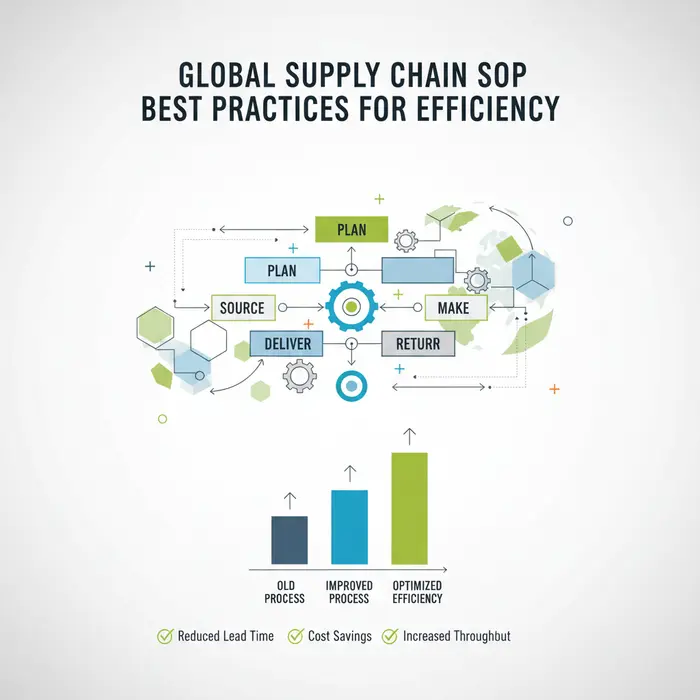
1. Integrating compliance seamlessly into supply chain planning
Effective international trade compliance begins long before goods are shipped. It must be an inherent component of strategic supply chain planning. Proactive integration means considering regulatory requirements, trade agreements, and customs clearance procedures manual details at the earliest stages of product development, sourcing decisions, and market entry strategies. Businesses should leverage technology, such as Enterprise Resource Planning (ERP) systems and Trade Management Systems (TMS), to automate compliance checks, streamline Import Export Documentation SOP processes, and manage various International Trade Compliance SOPs. This includes pre-screening suppliers and products against restricted party lists, embargoed countries, and specific product regulations (e.g., dual-use items, safety standards). Regular training for all relevant personnel—from procurement to logistics—is crucial to cultivate a culture where compliance is understood not as a hurdle, but as a fundamental element of efficient global trade. By making compliance a core pillar of planning, companies can avoid costly delays, fines, and disruptions, ensuring smoother cross-border operations.
2. Robust vendor and partner due diligence processes for global networks
In a globalized marketplace, the integrity of your supply chain is only as strong as its weakest link. Establishing robust vendor and partner due diligence processes is paramount for managing risks associated with international trade. This involves comprehensive background checks on all potential and existing suppliers, manufacturers, freight forwarders, and customs brokers. Due diligence should extend beyond financial stability to include their compliance history, ethical practices, security protocols, and adherence to environmental and labor laws. Companies must implement a structured vetting process that includes questionnaires, site visits (where feasible), third-party audits, and continuous monitoring. For example, verifying a partner’s C-TPAT (Customs-Trade Partnership Against Terrorism) certification or similar authorized economic operator (AEO) status can significantly reduce customs scrutiny and expedite shipments. Ongoing monitoring ensures that partners maintain their compliance standards and adapt to evolving regulations. This strategic approach to partner selection and oversight forms a critical part of any effective Export Import Risk Management SOP, safeguarding the entire global supply network from non-compliance, illicit trade, and security vulnerabilities. For more insights into international trade agreements and their impact on global supply chains, refer to resources like the World Trade Organization’s Trade Facilitation Agreement.
3. Enhancing traceability and transparency in the supply chain
Visibility is the cornerstone of effective Global Supply Chain SOP Best Practices. Enhancing traceability and transparency throughout the supply chain allows businesses to track goods from origin to destination, identify potential bottlenecks, and ensure compliance at every stage. Implementing advanced technologies such as blockchain, Internet of Things (IoT) sensors, and sophisticated data analytics platforms can provide real-time, immutable records of product movement, handling, and regulatory status. Blockchain technology, for instance, can create a secure, decentralized ledger that records every transaction and transfer of ownership, making it easier to verify product authenticity, origin, and compliance with ethical sourcing standards. IoT devices can monitor conditions like temperature and humidity, crucial for sensitive goods, while also providing precise location data. This level of transparency not only aids in rapid incident response (e.g., product recalls, security breaches) but also empowers consumers and stakeholders with information about product journeys. Furthermore, it significantly strengthens a company’s ability to demonstrate adherence to complex regulatory frameworks and provides a solid foundation for an effective International Trade Compliance SOP. By prioritizing traceability, companies can build resilient, compliant, and trustworthy global supply chains.
Streamlining Customs Clearance Procedures Manual
Efficient customs clearance is critical for successful international trade, directly impacting delivery times, costs, and regulatory compliance. A well-structured Customs Clearance Procedures Manual serves as an indispensable guide, providing clarity and consistency for all stakeholders in the import and export process. This comprehensive section will detail step-by-step procedures, clarify key roles, and outline how to develop a robust internal manual that embodies International Trade Compliance SOP best practices. By optimizing these processes, businesses can navigate global commerce with greater agility, reducing delays and mitigating risks associated with cross-border shipments.
1.
Step-by-step guide to efficient customs clearance processes
Seamless customs clearance begins with meticulous planning and adherence to a defined sequence. The process starts long before goods leave their origin, with paramount importance on accurate and complete documentation. This includes commercial invoice, packing list, bill of lading/airway bill, certificate of origin, and any required permits/licenses. Errors or omissions in these documents are a primary cause of delays and penalties. Developing an International Trade Compliance SOP specifically for Import Export Documentation SOP ensures all necessary paperwork is prepared correctly and submitted on time. Once goods arrive at the port of entry, the customs declaration is electronically submitted, detailing value, classification, origin, and intended use. Customs may then conduct reviews or physical inspections. Upon satisfactory review and assessment, applicable duties, taxes, and fees are calculated and paid. The final step is goods release, allowing them to proceed to their destination. Proactive communication and strict adherence to this framework expedite the entire process.
2.
Optimizing the role of customs brokers and leveraging technology
Navigating intricate international trade regulations often necessitates specialized expertise. Customs brokers play a pivotal role, acting as intermediaries between importers/exporters and customs authorities. Their deep understanding of tariff codes, trade agreements, and evolving regulatory landscapes can significantly accelerate clearance, minimize duties, and ensure compliance. Leveraging their services allows businesses to focus on core operations while benefiting from professional guidance on complex matters. Beyond human expertise, technology has revolutionized customs procedures. Electronic Data Interchange (EDI) systems, automated customs platforms, and advanced supply chain visibility tools streamline data exchange, reduce manual errors, and provide real-time shipment tracking. These technological advancements, when integrated into Global Supply Chain SOP Best Practices, enhance efficiency, transparency, and predictive capabilities. They enable proactive issue resolution, contributing to a more resilient and responsive supply chain where goods move swiftly and compliantly across borders.
3.
Best practices for tariff classification and valuation
Two critical and complex aspects of customs clearance are accurate tariff classification and correct valuation. Tariff classification involves assigning the correct Harmonized System (HS) code to goods, which determines applicable duty rates, trade statistics, and specific regulatory requirements. Misclassification, whether accidental or intentional, can lead to severe consequences, including significant fines, penalties, retroactive duty payments, and shipment delays. Businesses should invest in expert knowledge or utilize customs brokers to ensure precise classification, ideally through a consistent internal process documented in their Export Import Risk Management SOP. The World Customs Organization (WCO) provides detailed guidance on the Harmonized System, the global standard. Similarly, accurate valuation is essential for calculating duties and taxes. Valuation methods typically follow international agreements, primarily the WTO Valuation Agreement, focusing on the transaction value of imported goods. Factors such as Incoterms, associated costs (freight, insurance), and any adjustments must be meticulously accounted for. Implementing stringent internal controls and regular audits for both classification and valuation practices is fundamental for effective risk management and compliance, safeguarding against financial and reputational damage.
Establishing a comprehensive Customs Clearance Procedures Manual integrating these step-by-step guides, leveraging expert brokers and technology, and enforcing best practices for classification and valuation, is not merely a bureaucratic exercise. It is a strategic imperative that underpins operational efficiency, regulatory compliance, and overall success in international trade. Continuous review and updates to this manual are vital to adapt to changing regulations and maintain a competitive edge.
Export Import Risk Management SOP Strategies
Addresses the identification, assessment, and mitigation of various operational, financial, and compliance risks inherent in international trade, safeguarding business operations and reputation.
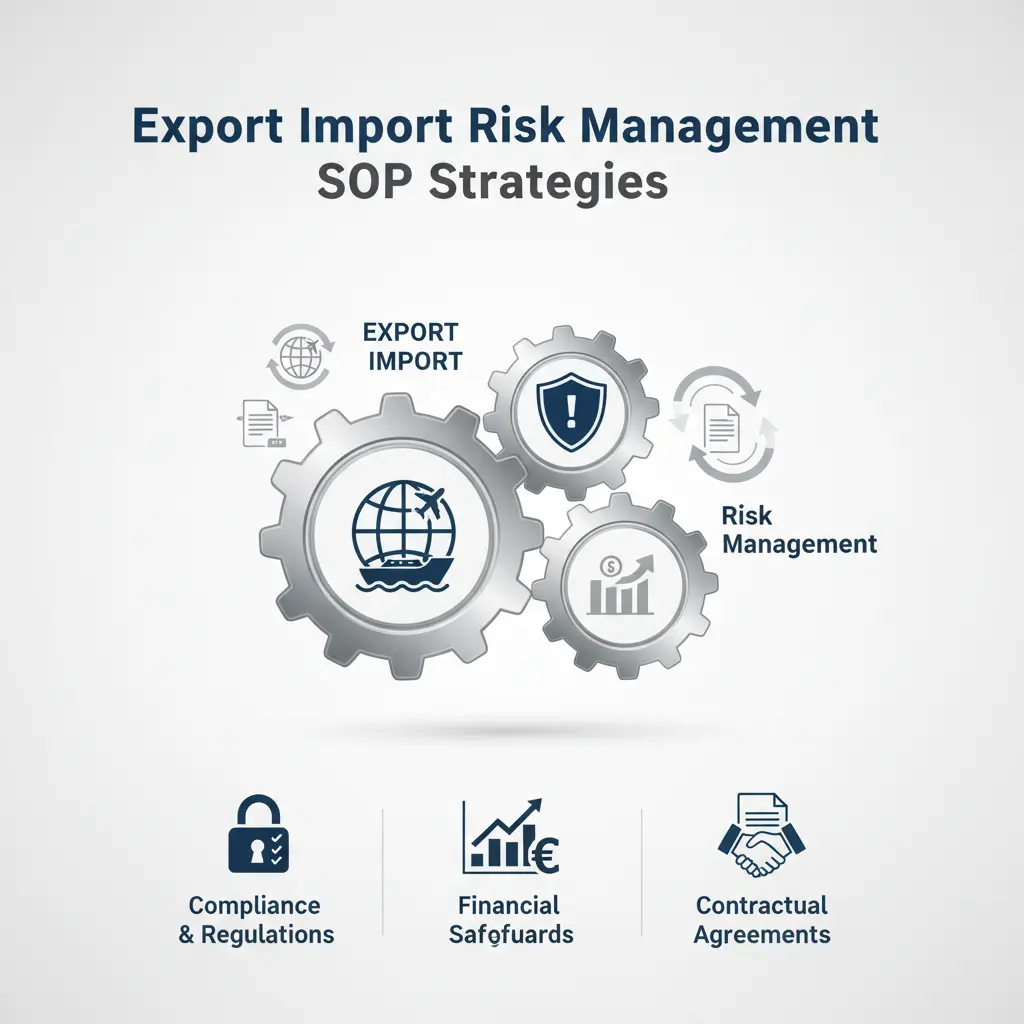
Navigating the complexities of global commerce demands a robust approach to risk management. For businesses engaged in cross-border transactions, developing a comprehensive International Trade Compliance SOP (Standard Operating Procedure) is not merely a best practice; it’s a strategic imperative. Such an SOP serves as a foundational blueprint, guiding organizations through the intricate web of international regulations, financial exposures, and logistical challenges that define the modern global supply chain. Without a clear framework, companies face potential penalties, operational disruptions, and severe reputational damage. This section outlines critical strategies for an effective Export Import Risk Management SOP, designed to fortify business operations against the inherent volatilities of international trade.
1. Identifying Critical Trade Compliance Risks
The first step in any effective risk management strategy is the thorough identification of potential threats. In international trade, these risks are diverse and constantly evolving. Key areas include:
- Regulatory & Compliance Risks: This encompasses adherence to national and international laws, including export control regulations on dual-use goods (items with both commercial and military applications), economic sanctions (e.g., those imposed by OFAC), import restrictions, anti-dumping duties, and country-specific trade embargos. Failure to comply can lead to severe fines, imprisonment, and loss of export privileges.
- Operational Risks: These involve disruptions in the Global Supply Chain SOP Best Practices, such as delays in logistics, customs clearance issues, damage to goods in transit, and vendor performance failures. Geopolitical instability and natural disasters also fall under this category.
- Financial Risks: Exposure to currency fluctuations, non-payment by international buyers, credit risks, and changes in tariffs or taxes can significantly impact profitability.
- Reputational Risks: Non-compliance or involvement in illicit trade activities can severely tarnish a company’s brand, leading to loss of trust from customers, partners, and regulators.
A proactive approach requires continuous monitoring of geopolitical developments, regulatory changes, and an in-depth understanding of the specific risks associated with products, destinations, and trading partners. An effective Export Import Risk Management SOP will outline processes for this ongoing risk identification.
2. Developing a Comprehensive Risk Assessment and Mitigation Framework
Once risks are identified, they must be systematically assessed and prioritized. A robust risk assessment framework typically involves:
- Risk Evaluation: Determining the likelihood of a risk occurring and the potential impact if it does. This often uses a qualitative or quantitative scoring system (e.g., low, medium, high probability and severity).
- Risk Prioritization: Focusing resources on high-impact, high-probability risks first. This helps allocate resources efficiently.
- Mitigation Strategy Design: Developing specific actions to reduce the likelihood or impact of identified risks. This could include implementing new processes, acquiring insurance, or diversifying suppliers.
The framework should integrate with an overarching Export Import Risk Management SOP, providing clear guidelines on how to conduct assessments and document findings. Leveraging technology, such as trade compliance software, can automate risk screening against denied party lists, product classifications, and licensing requirements, significantly enhancing accuracy and efficiency. Regular audits and reviews of the framework ensure its continued relevance and effectiveness in a dynamic trade environment.
3. Implementing Effective Mitigation Strategies and Contingency Planning
Translating risk assessments into actionable mitigation strategies is crucial. Key strategies include:
- Due Diligence and Vetting: Rigorous screening of all trading partners, including suppliers, distributors, and customers, for compliance with sanctions, anti-bribery laws, and export controls. Understanding the ultimate end-user and end-use of products is paramount.
- Robust Documentation Management: Establishing an Import Export Documentation SOP ensures that all necessary paperwork—licenses, permits, invoices, packing lists, certificates of origin—is accurate, complete, and properly archived. This is critical for smooth customs clearance and audit preparedness.
- Expertise in Customs Clearance Procedures Manual: Adhering strictly to customs regulations, proper product classification (HS codes), valuation, and origin declarations can prevent delays, fines, and seizures. Collaborating with experienced customs brokers can streamline this process.
- Technology Adoption: Utilizing Enterprise Resource Planning (ERP) systems with integrated Global Trade Management (GTM) modules can automate compliance checks, manage documentation, and track shipments in real-time, reducing human error.
- Employee Training and Awareness: Regular and mandatory training for all staff involved in international trade operations ensures they are aware of compliance requirements, company policies, and the latest regulatory changes.
- Contingency Planning: Developing clear protocols for managing crises such as shipment detentions, unexpected regulatory changes, supply chain disruptions, or payment defaults. This includes identifying alternative shipping routes, backup suppliers, and communication plans.
Continuous monitoring, internal audits, and external assessments are vital to ensure the ongoing effectiveness of these strategies. By embedding these practices into a comprehensive International Trade Compliance SOP, businesses can not only mitigate risks but also enhance their operational efficiency, protect their reputation, and foster sustainable growth in the global marketplace.
Partner with Vietnam’s Leading Suppliers
Looking for reliable suppliers in Vietnam? Contact VietnamSuppliers.com today to connect with verified manufacturers and exporters across all industries.
—————————————
References
– World Trade Organization’s Trade Facilitation Agreement: https://www.wto.org/english/tratop_e/tradfa_e/tradfa_e.htm
– Incoterms® rules 2020 by ICC: https://iccwbo.org/resources-for-business/incoterms-rules/
– WTO Trade Facilitation Agreement: https://www.wto.org/english/tratop_e/tradfa_e/tradfa_e.htm
– World Customs Organization (WCO): https://www.wcoomd.org/en/topics/nomenclature/overview.aspx
– U.S. Bureau of Industry and Security: https://www.bis.doc.gov/

