Understanding Global Supply Chain Optimization Fundamentals
In today’s interconnected and rapidly evolving global marketplace, the ability to efficiently move goods from raw material to end-consumer is paramount for business success. Global Supply Chain Optimization is the strategic process of designing, planning, executing, controlling, and monitoring supply chain activities with the objective of creating net value, building a competitive infrastructure, leveraging worldwide logistics, synchronizing supply with demand, and measuring performance globally. It’s not merely about cutting costs, but about enhancing overall performance, resilience, and responsiveness across international borders.
The complexity of modern supply chains, characterized by diverse geographical locations, varied regulatory environments, and dynamic market demands, necessitates a sophisticated approach to management. Effective optimization ensures that businesses can navigate these complexities, improving their International Logistics Efficiency and adopting robust Cross-border Shipping Strategies to remain competitive. This foundational understanding sets the stage for a deeper dive into how companies can leverage these principles to thrive in an increasingly globalized economy.

1. Key Components of an Optimized Supply Chain
An optimally functioning global supply chain is a finely tuned ecosystem of interconnected processes and entities. Its key components include meticulous demand planning and forecasting, which anticipates customer needs across various international markets. Strategic sourcing and procurement involve identifying and partnering with suppliers worldwide to secure raw materials and components at optimal cost and quality. Manufacturing and production are strategically located to leverage regional advantages and serve specific markets efficiently.
Logistics and distribution form the backbone, encompassing transportation (sea, air, road, rail), warehousing, and inventory management across continents. Information technology plays a crucial role, with advanced analytics, AI, IoT, and blockchain facilitating real-time visibility, data exchange, and automation throughout the chain. This integrated approach ensures that every link, from a factory in Asia to a customer in Europe, operates in harmony, maximizing International Logistics Efficiency and ensuring seamless Cross-border Shipping Strategies are in place.
2. Benefits of Strategic Optimization for Businesses
Implementing strategic global supply chain optimization yields a multitude of benefits for businesses aiming for sustained growth and profitability. Foremost among these is significant Freight Cost Reduction Solutions, achieved through route optimization, consolidation, and favorable carrier negotiations. Enhanced operational efficiency leads to faster order fulfillment, reduced lead times, and streamlined processes, directly impacting customer satisfaction and market responsiveness.
Beyond cost savings, optimization builds resilience. By diversifying supplier bases and implementing robust risk management frameworks, businesses can better withstand disruptions, whether from geopolitical events, natural disasters, or pandemics. Furthermore, a focus on Sustainable Trade Routes and ethical sourcing practices improves corporate social responsibility, appealing to environmentally conscious consumers and investors. This strategic foresight allows companies to adapt quickly to market shifts, maintain a competitive edge, and secure long-term viability in complex global landscapes.
3. Navigating Challenges in Global Supply Chain Optimization
While the benefits are substantial, achieving true global supply chain optimization is not without its hurdles. Businesses frequently encounter a range of complex challenges that demand continuous attention and innovative solutions. Geopolitical instability, fluctuating trade policies, and varying customs regulations across different countries can create significant bottlenecks and increase operational risks. Infrastructure disparities, such as inadequate port facilities or limited transportation networks in certain regions, further complicate Cross-border Shipping Strategies.
Moreover, the sheer volume and fragmentation of data across numerous stakeholders often lead to a lack of end-to-end visibility, hindering timely decision-making. Unexpected disruptions, from natural catastrophes to cyberattacks, underscore the constant need for agility and robust contingency plans. Mastering these challenges requires a commitment to advanced technology, collaborative partnerships, and a deep understanding of global market dynamics to foster supply chain resilience and continuous improvement.
Enhancing International Logistics Efficiency
In an increasingly interconnected global economy, the efficiency of international logistics is paramount for businesses seeking competitive advantage. From manufacturing to last-mile delivery, every stage of the supply chain presents opportunities for optimization. Achieving true Global Supply Chain Optimization hinges on the ability to move goods swiftly, reliably, and cost-effectively across diverse geographical and regulatory landscapes. This section explores key strategies and technological advancements designed to enhance international logistics efficiency, reduce transit times, mitigate risks, and foster more resilient cross-border shipping strategies.
Leveraging Technology for Visibility and Tracking
The digital transformation of logistics has revolutionized how businesses manage international shipments. Real-time visibility and comprehensive tracking systems are no longer a luxury but a necessity for enhancing international logistics efficiency. Technologies such as the Internet of Things (IoT) sensors embedded in cargo and containers provide continuous data streams on location, temperature, humidity, and potential shocks, allowing for proactive intervention. Artificial Intelligence (AI) and Machine Learning (ML) algorithms analyze this vast amount of data to predict potential delays, optimize routing, and even forecast demand fluctuations, thereby improving delivery reliability. Furthermore, blockchain technology is emerging as a powerful tool for creating immutable and transparent records of goods movement, ownership transfers, and compliance documentation. This enhanced transparency not only builds trust among supply chain partners but also significantly speeds up dispute resolution and simplifies auditing processes. By integrating these technologies, businesses gain unparalleled insights into their cross-border operations, enabling faster decision-making and more agile responses to disruptions, ultimately contributing to substantial freight cost reduction solutions.
Optimizing Warehousing and Distribution Networks
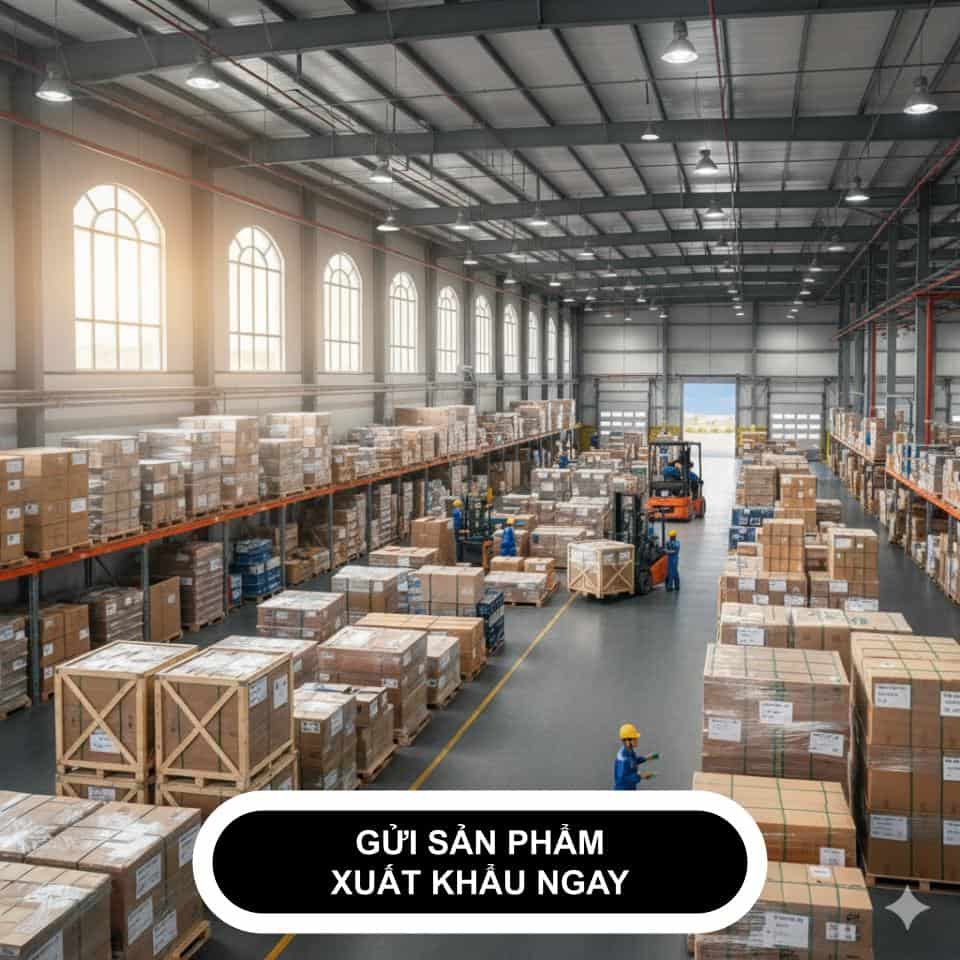
An efficient international logistics framework relies heavily on strategically optimized warehousing and distribution networks. This involves more than just finding storage space; it’s about creating a responsive and agile system that minimizes transit times and costs. Strategies include establishing regional distribution centers closer to key markets, reducing the need for extensive long-haul transportation. The adoption of advanced warehouse automation, such as Automated Storage and Retrieval Systems (AS/RS) and robotics, accelerates picking, packing, and sorting processes, dramatically improving throughput and accuracy. Implementing sophisticated Inventory Management Systems (IMS) enables just-in-time (JIT) delivery principles and vendor-managed inventory (VMI) models, reducing carrying costs and preventing stockouts or overstocking. Furthermore, leveraging cross-docking techniques can streamline the flow of goods by moving products directly from inbound to outbound logistics, minimizing storage time. For last-mile delivery, optimizing routes using advanced mapping and analytics software ensures faster and more sustainable trade routes, reducing fuel consumption and delivery times, which directly translates into improved international logistics efficiency and customer satisfaction.
Streamlining Customs and Regulatory Compliance
One of the most significant bottlenecks in international logistics is often navigating the complex web of customs procedures and regulatory compliance. Streamlining Customs and Regulatory Compliance is therefore a critical pillar of any strategy aimed at enhancing international logistics efficiency. This involves adopting proactive measures to ensure smooth and swift passage of goods across borders. Digital customs platforms, which allow for electronic submission and pre-clearance of documentation, can dramatically reduce processing times and minimize errors. Leveraging Free Trade Agreements (FTAs) and understanding their rules of origin can unlock significant tariff reductions, acting as powerful freight cost reduction solutions. Furthermore, participation in trusted trader programs, such as the Authorized Economic Operator (AEO) status, offers expedited customs clearance and fewer inspections, significantly improving speed and reliability for cross-border shipping strategies. Data standardization and collaborative platforms between shippers, carriers, and customs authorities are also vital. By embracing technologies that facilitate data exchange and automating compliance checks, businesses can mitigate risks of delays, fines, and confiscations. Training personnel on the latest global trade regulations and investing in robust compliance software are essential steps towards achieving seamless international trade and robust international logistics efficiency.
Navigating Cross-border Shipping Strategies
In an increasingly interconnected world, mastering Global Supply Chain Optimization is paramount for businesses aiming to expand their reach and enhance profitability. International shipping, while offering immense opportunities, is fraught with complexities ranging from stringent customs regulations to the intricate logistics of diverse transportation modes. Developing robust Cross-border Shipping Strategies is not just about moving goods; it’s about achieving International Logistics Efficiency, ensuring compliance, mitigating risks, and ultimately securing a competitive edge.
1. Customs Compliance and Documentation Best Practices
One of the most critical aspects of international shipping is navigating the labyrinthine world of customs compliance. Failure to adhere to regulations can lead to costly delays, penalties, and even seizure of goods. Best practices begin with a thorough understanding of the specific import and export requirements for each country involved. This includes accurate classification of goods using the Harmonized System (HS) codes, which dictate applicable duties, taxes, and restrictions. Precise and complete documentation is non-negotiable; this encompasses commercial invoices, packing lists, certificates of origin, bills of lading (for sea freight), or air waybills (for air freight).
Furthermore, understanding and correctly applying Incoterms (International Commercial Terms) is vital. Incoterms clearly define the responsibilities of buyers and sellers for the delivery of goods, dictating who pays for and manages the shipment, insurance, documentation, and customs clearance processes. Keeping abreast of changes in international trade agreements and tariffs, such as free trade agreements, can also provide significant advantages by reducing costs and streamlining processes. Partnering with experienced customs brokers or freight forwarders who possess deep expertise in specific trade lanes can significantly de-risk the process, ensuring that all regulatory hurdles are cleared efficiently. For detailed guidance on Incoterms, the International Chamber of Commerce (ICC) is an authoritative resource.
2. Choosing Optimal Transportation Modes (Air, Sea, Land)
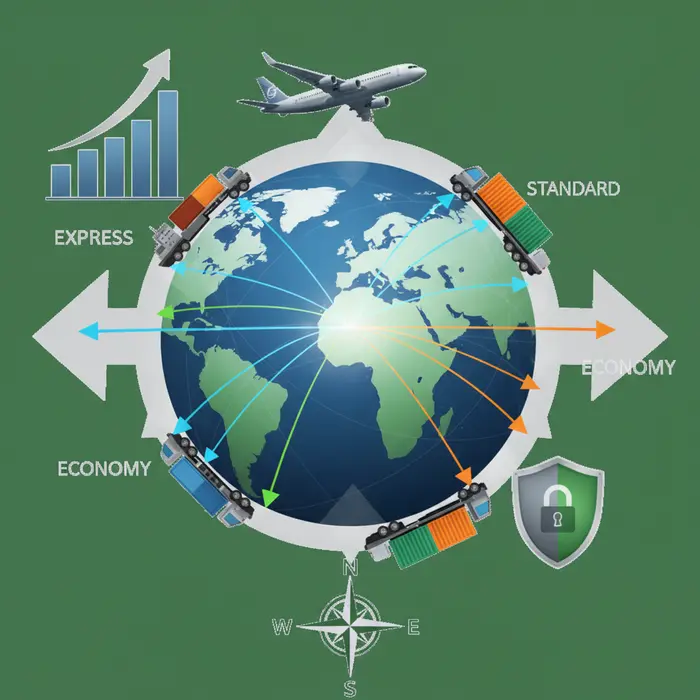
Selecting the right transportation mode is a strategic decision that balances cost, speed, cargo type, and environmental impact. Each mode offers distinct advantages:
- Sea Freight: Often the most cost-effective option for large volumes or heavy cargo, sea freight is ideal for non-urgent shipments and forms the backbone of many global supply chains. While slower, advances in vessel technology and port infrastructure are continuously improving transit times and reliability. It also offers the lowest carbon footprint per ton-mile, aligning with Sustainable Trade Routes initiatives.
- Air Freight: Prioritized for urgent, high-value, or time-sensitive goods, air freight offers unparalleled speed and predictability. While significantly more expensive than sea freight, it can drastically reduce lead times and inventory holding costs, making it indispensable for specific product categories like pharmaceuticals, high-tech components, or perishables.
- Land Freight (Road & Rail): Essential for regional and domestic distribution, land freight provides flexibility and door-to-door service. Road transport is versatile, reaching remote locations, while rail freight is efficient for bulk goods over long distances, often playing a crucial role in multimodal strategies that connect ports and airports to inland destinations.
An optimal strategy often involves a multimodal approach, combining different transportation types to leverage their respective strengths and create integrated, efficient routes. Factors to consider include the urgency of the shipment, the product’s value and shelf life, the origin and destination infrastructure, and budget constraints.
3. Leveraging Technology for Enhanced Visibility and Freight Cost Reduction Solutions
In today’s dynamic global marketplace, technology is a game-changer for international logistics. Implementing advanced systems can provide unprecedented visibility, streamline operations, and deliver significant Freight Cost Reduction Solutions. Transportation Management Systems (TMS) offer real-time tracking, allowing businesses to monitor shipments from origin to destination, predict arrival times, and proactively address potential delays. This enhanced visibility not only improves customer satisfaction but also enables more agile decision-making.
Furthermore, data analytics and artificial intelligence (AI) are revolutionizing route optimization, warehouse management, and demand forecasting. AI-powered tools can analyze vast datasets to identify the most efficient and cost-effective shipping lanes, predict market fluctuations, and suggest optimal inventory levels. Automation in documentation and customs declaration processes can drastically reduce human error and accelerate clearance times. Cloud-based platforms facilitate seamless collaboration among all stakeholders – suppliers, carriers, customs brokers, and customers – creating a more integrated and responsive supply chain. By embracing these technological advancements, companies can transform their cross-border shipping from a complex challenge into a strategic advantage, ensuring greater efficiency, lower costs, and improved service delivery in their pursuit of International Logistics Efficiency and Global Supply Chain Optimization.
Implementing Freight Cost Reduction Solutions
In today’s dynamic global marketplace, businesses face constant pressure to optimize operations and reduce costs, particularly within their supply chains. Rising fuel prices, geopolitical shifts, and increased consumer demands have made freight cost reduction solutions not just an advantage, but a necessity. By strategically implementing various measures, companies can significantly cut down on shipping expenses without compromising service quality, thereby achieving crucial Global Supply Chain Optimization. This section provides actionable advice to navigate the complexities of international logistics and foster greater efficiency.
1. Negotiating Carrier Contracts and Bulk Discounts
One of the most direct avenues for reducing shipping expenses lies in robust negotiation with freight carriers. Many businesses simply accept standard rates, missing opportunities for substantial savings. To gain an edge, companies should aggregate their total shipping volume across all lanes and modes, presenting a compelling case for bulk discounts. The process should involve soliciting bids from multiple carriers through a formal Request for Proposal (RFP), fostering competition and revealing the most cost-effective options.
Beyond headline rates, focus on negotiating all aspects of the contract: fuel surcharges, accessorial fees (e.g., liftgate services, detention charges, re-delivery fees), transit times, and liability clauses. Long-term contracts, especially for stable, high-volume routes, can lock in favorable rates and provide predictability. Regularly reviewing and renegotiating contracts, ideally annually, ensures that terms remain competitive and reflect current market conditions and your evolving shipping profile. Engaging a third-party logistics (3PL) provider can also grant access to their pre-negotiated, aggregated rates, offering immediate savings and specialized expertise in International Logistics Efficiency.
2. Utilizing Route Optimization Software
Technology plays a pivotal role in modern cross-border shipping strategies, and route optimization software stands out as a powerful tool for achieving significant freight cost reductions. These sophisticated platforms leverage advanced algorithms and real-time data to calculate the most efficient delivery routes, considering factors such as traffic conditions, road restrictions, delivery windows, and vehicle capacity. By dynamically adjusting routes, businesses can minimize mileage, reduce fuel consumption, and decrease wear and tear on vehicles, leading to substantial operational savings.
Beyond direct cost savings, route optimization software enhances delivery reliability and customer satisfaction. Features like multi-stop optimization, load balancing, and geofencing capabilities ensure that every vehicle is utilized to its full potential, minimizing empty backhauls and maximizing payloads. Implementing such software contributes directly to boosting overall international logistics efficiency, reducing carbon footprints, and providing invaluable data for continuous improvement in your Global Supply Chain Optimization efforts.
3. Consolidating Shipments and Optimizing Warehouse Operations
Strategic shipment consolidation and efficient warehouse management are critical components of any effective freight cost reduction solution. Instead of shipping numerous smaller, less-than-truckload (LTL) shipments, businesses should aim to combine these into full truckload (FTL) or multi-stop FTL shipments whenever possible. This strategy drastically reduces per-unit shipping costs and minimizes handling charges associated with LTL freight. Implementing cross-docking strategies, where incoming goods are immediately sorted and moved to outbound trucks without long-term storage, further reduces warehousing costs and accelerates delivery times.
Optimizing warehouse operations involves several facets: strategic placement of distribution centers near key markets or ports to reduce final-mile delivery costs, efficient inventory management (e.g., Just-In-Time or lean principles) to minimize holding costs, and leveraging warehouse management systems (WMS) for improved accuracy and throughput. Automation within warehouses, from robotics to advanced sorting systems, can also reduce labor costs and improve operational speed, directly impacting the overall cost-effectiveness of your sustainable trade routes. These integrated approaches are vital for achieving comprehensive Global Supply Chain Optimization, ensuring goods move efficiently and economically from origin to destination.
Implementing effective freight cost reduction solutions requires a holistic and continuous approach. By actively negotiating carrier contracts, leveraging advanced route optimization software, and strategically consolidating shipments while optimizing warehouse operations, businesses can achieve significant savings without compromising service quality. These initiatives not only lead to substantial financial benefits but also enhance a company’s competitive edge and contribute to more resilient and sustainable trade routes in the long run, cementing their position in the global market.
Building Sustainable and Resilient Trade Routes
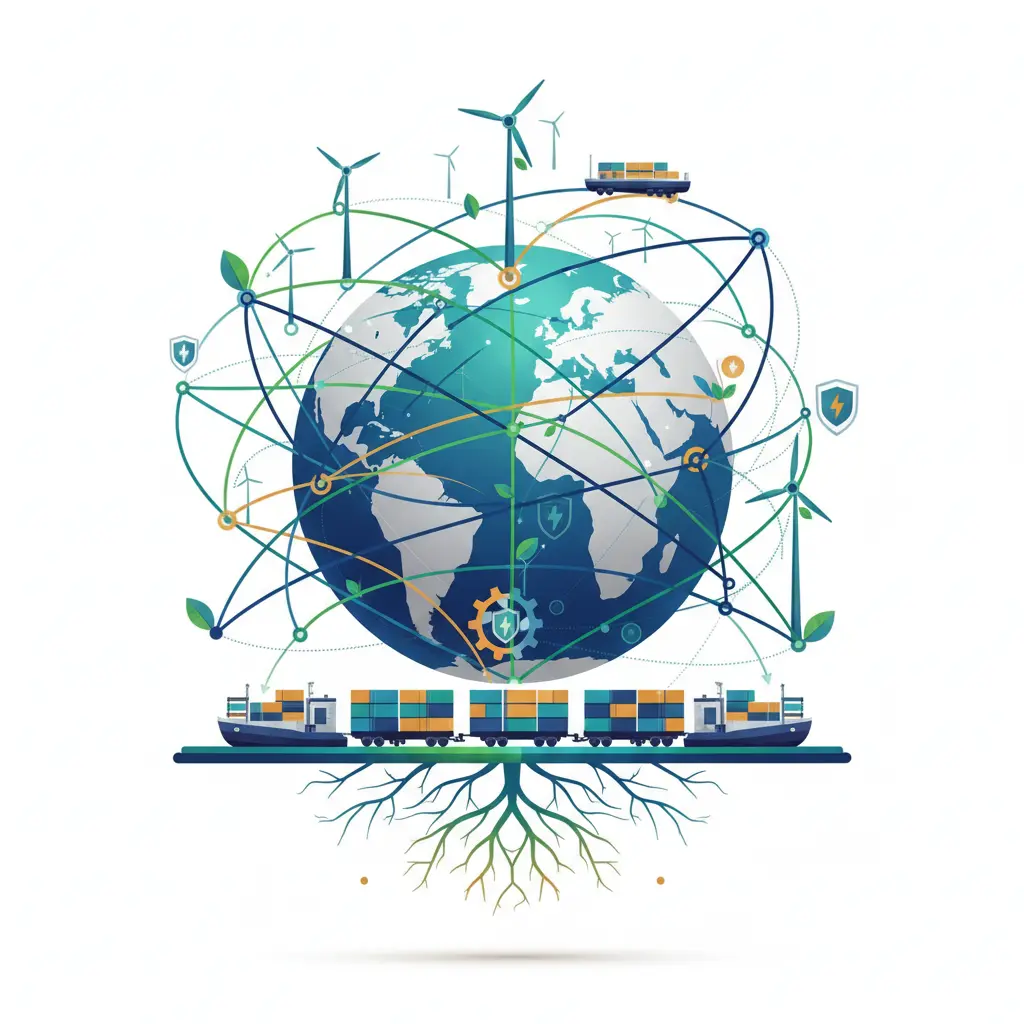
The global economic landscape presents both unprecedented opportunities and complex challenges for businesses. In this dynamic environment, building sustainable and resilient trade routes has become paramount. Beyond merely moving goods, modern supply chains must integrate robust environmental responsibility and proactive risk management to ensure long-term viability. This shift is not just about compliance; it’s about future-proofing operations, enhancing brand reputation, and achieving true Global Supply Chain Optimization. As companies navigate geopolitical shifts, climate change impacts, and technological advancements, the ability to adapt and maintain uninterrupted, ethical trade flows defines success.
1. Adopting Green Logistics Practices
Environmental sustainability is transforming global goods transport. Adopting green logistics practices is a fundamental component of any forward-thinking International Logistics Efficiency strategy. This involves a holistic approach to reducing the ecological footprint of trade routes. Key initiatives include optimizing transportation modes to minimize fuel consumption and emissions, such as favoring sea or rail freight, and investing in electric or hydrogen-powered vehicles. Companies are also focusing on sustainable packaging, waste reduction, and circular economy principles. Implementing smart route planning software and real-time tracking can significantly cut down on mileage and idle times, leading to substantial reductions in carbon emissions and fuel costs. The goal is to create Sustainable Trade Routes that deliver goods efficiently while protecting our planet, resonating positively with consumers and investors for ethical growth and competitive advantage.
2. Strategies for Supply Chain Resilience and Risk Mitigation
While sustainability addresses environmental impacts, resilience focuses on a supply chain’s ability to withstand and recover from disruptions. Recent years have highlighted the fragility of traditional linear supply chains, making robust risk mitigation strategies indispensable for secure Cross-border Shipping Strategies. A multi-pronged approach is essential, starting with diversification – sourcing from multiple suppliers across different geographical regions. Enhancing end-to-end visibility through digital platforms allows businesses to monitor shipments in real-time, anticipate bottlenecks, and react swiftly to unforeseen events like natural disasters or geopolitical conflicts. Developing comprehensive contingency plans, including alternative routes and emergency inventory strategies, is crucial. Moreover, geopolitical risk assessment and scenario planning are becoming integral parts of strategic logistics planning. By prioritizing resilience, businesses can minimize costly disruptions, ensure operational continuity, and ultimately achieve greater Freight Cost Reduction Solutions by avoiding expensive last-minute interventions.
3. Leveraging Technology and Collaboration for Future-Proof Supply Chains
Building truly sustainable and resilient trade routes requires advanced technology and unprecedented collaboration. Technologies like Artificial Intelligence (AI) and machine learning can analyze data to predict demand, optimize inventory, and identify risks. Blockchain offers immutable transparency and traceability, ensuring ethical sourcing and combating counterfeiting. The Internet of Things (IoT) provides real-time data on asset location and condition, enabling proactive maintenance. Beyond technology, strategic partnerships and cross-industry collaboration are vital. Sharing best practices, pooling resources, and developing common standards for sustainability and risk management can create a stronger, more adaptable global trade network. Joint initiatives between logistics providers, manufacturers, and governments can facilitate green infrastructure or standardized digital platforms. This integrated approach to Global Supply Chain Optimization ensures trade routes are robust against future shocks and contribute to a responsible global economy.
In conclusion, the journey toward building sustainable and resilient trade routes is continuous and multifaceted. It necessitates a strategic blend of environmental responsibility through green logistics, robust risk management, and the judicious application of cutting-edge technology coupled with collaborative partnerships. By embracing these principles, businesses can navigate the complexities of international trade, mitigate unforeseen challenges, and foster supply chains that are not only efficient and cost-effective but also ethically sound and environmentally conscious for generations to come.
Partner with Vietnam’s Leading Suppliers
Looking for reliable suppliers in Vietnam? Contact VietnamSuppliers.com today to connect with verified manufacturers and exporters across all industries.
—————————————
References
– The future of supply chains: Why leaders must make them more resilient, sustainable and human-centric: https://www.weforum.org/agenda/2023/01/future-of-supply-chains-wef23/
– global trade regulations: https://www.wto.org/english/thewto_e/whatis_e/tif_e/gats_e.htm
– International Chamber of Commerce – Incoterms Rules: https://iccwbo.org/resources-for-business/incoterms-rules/
– Benefits of Route Optimization: https://www.supplychainbrain.com/articles/29598-the-benefits-of-route-optimization
– UN Global Compact on Sustainable Supply Chains: https://www.unglobalcompact.org/what-is-gc/our-work/supply-chain