The Global Communication Imperative in B2B
In today’s hyper-connected global economy, effective International B2B communication solutions are not merely an advantage; they are an absolute imperative. As businesses increasingly operate across borders, engaging with a diverse network of suppliers, partners, and clients, the ability to communicate clearly, efficiently, and contextually determines the success of global trade and the resilience of interconnected supply chains. From intricate manufacturing agreements to complex logistics coordination, missteps in communication can lead to costly delays, damaged relationships, and missed opportunities, highlighting the critical need for sophisticated buyer supplier communication strategies that transcend geographical and cultural divides.

1. The Evolving Landscape of Global Trade
The global trade environment has undergone profound transformations, moving beyond simple transactional exchanges to complex, multi-layered ecosystems. Digitalization has accelerated the pace of business, enabling real-time interactions across continents, while geopolitical shifts and economic volatility demand greater adaptability. Modern supply chains are often fragmented, involving numerous intermediaries in various countries, each with unique regulatory frameworks and operational norms. This complexity necessitates robust buyer supplier communication strategies that can ensure seamless information flow, foster trust, and enable rapid decision-making. Companies must now navigate a world where a minor hiccup in one part of the chain can have cascading effects globally, making proactive and precise communication more vital than ever for maintaining operational continuity and competitive edge.
2. Key Challenges in International B2B Exchanges
Despite technological advancements, international B2B communication faces a myriad of challenges. Language barriers are often the most apparent, yet cultural nuances present a deeper, more insidious hurdle. Different cultures have varying communication styles, expectations regarding formality, directness, and even the interpretation of non-verbal cues. This makes cross-cultural communication in international trade particularly complex, requiring not just translation but also cultural sensitivity and empathy. Beyond cultural differences, disparities in time zones, varying technological infrastructures, and divergent legal frameworks further complicate effective exchange. Without clear guidelines and established supply chain communication best practices, these challenges can lead to misunderstandings, delays, and a breakdown in trust, directly impacting the efficiency and reliability of global operations.
3. The Hidden Costs of Miscommunication
The ramifications of poor international B2B communication extend far beyond mere inconvenience; they incur significant, often hidden, costs. Delays in production due to unclear specifications, errors in logistics from misinterpreted instructions, and contractual disputes arising from ambiguous language can lead to substantial financial losses. Beyond direct monetary costs, miscommunication erodes trust, damages reputations, and strains critical improving B2B supplier relationships global trade. A breakdown in communication can lead to a loss of key partners, disruptions in the supply chain, and ultimately, a decline in market competitiveness. Investing in comprehensive International B2B communication solutions, including training in cross-cultural competency and the adoption of standardized communication protocols, is therefore not an expense but a strategic investment. It safeguards against these hidden costs, strengthens partnerships, and ensures the smooth, efficient functioning of global business operations in an increasingly interconnected world.
Core Strategies for Buyer-Supplier Communication
Effective communication is the bedrock of successful international B2B relationships. In an increasingly interconnected yet complex global trade landscape, the ability of buyers and suppliers to communicate clearly, consistently, and empathetically directly impacts efficiency, cost-effectiveness, and the overall health of the supply chain. Overcoming geographical distances, time zone differences, and cultural nuances requires deliberate effort and the implementation of robust International B2B communication solutions. This section delves into practical and actionable strategies designed to significantly enhance communication between international buyers and their suppliers, fostering stronger partnerships and more resilient supply chains.
Establishing Clear Communication Protocols
Defining and agreeing upon clear communication protocols is the foundational step for any successful buyer-supplier relationship in global trade. This involves setting explicit expectations regarding how, when, and through what channels communication will occur. Initially, both parties should establish preferred communication methods, whether it’s email for formal documentation, video conferencing for critical discussions, or dedicated messaging platforms for quick queries. Specifying expected response times for different types of inquiries is crucial to manage expectations and prevent misunderstandings due to time zone differences. Furthermore, identifying key contact persons for various departments (e.g., sales, logistics, quality control) and establishing clear escalation paths ensures that issues are directed to the right individuals and resolved promptly. Regularly scheduled meetings, whether weekly or bi-weekly, help maintain momentum and provide a dedicated forum for updates and problem-solving. Beyond logistics, addressing cross-cultural communication international trade nuances is paramount. Understanding different communication styles – direct versus indirect, high-context versus low-context – can prevent misinterpretations and build trust. Documenting these protocols in a shared agreement serves as a reference point, ensuring both parties are aligned on these vital buyer supplier communication strategies from the outset.
Leveraging Technology for Seamless Exchanges
In the modern global supply chain, technology is an indispensable enabler of seamless communication. Beyond basic email, a strategic adoption of digital tools can bridge geographical gaps and streamline information flow, transforming traditional supply chain communication best practices. Project management software (e.g., Asana, Trello, Jira) allows both buyers and suppliers to track tasks, share progress updates, and collaboratively manage projects in real-time, providing transparency and accountability. Enterprise Resource Planning (ERP) and Customer Relationship Management (CRM) systems facilitate integrated data sharing, ensuring that all relevant information – from order status to inventory levels – is accessible to authorized personnel on both sides. Video conferencing platforms offer invaluable opportunities for face-to-face interactions, building rapport and clarity that text-based communication often lacks. Cloud-based document sharing platforms (e.g., Google Drive, SharePoint) enable real-time collaboration on specifications, contracts, and design documents, ensuring everyone is working with the latest versions. Furthermore, automated alerts and notifications can proactively inform both parties about critical milestones, potential delays, or changes in order status, minimizing surprises. While leveraging technology, it’s also vital to ensure data security and privacy, establishing secure channels for sensitive information. Embracing these technological solutions empowers international buyers and suppliers to maintain continuous, efficient, and transparent communication, which is central to effective International B2B communication solutions.
Implementing Effective Feedback Loops and Reviews
Continuous improvement is a cornerstone of strong B2B supplier relationships global trade, and this is best achieved through structured and effective feedback loops. Regular performance reviews, conducted quarterly or biannually, provide a formal opportunity for buyers to evaluate supplier performance against predefined Key Performance Indicators (KPIs) such as quality, on-time delivery, responsiveness, and adherence to specifications. Supplier scorecards offer a quantifiable and objective way to track progress and identify areas for improvement. Beyond formal reviews, implementing post-project debriefs allows both parties to discuss what went well and what could be improved for future collaborations, fostering a culture of learning and adaptation. Establishing an open-door policy where suppliers feel comfortable raising concerns or suggesting improvements without fear of reprisal is crucial for genuine collaboration. Feedback should always be constructive, focusing on solutions rather than blame, and be a two-way street; buyers should also solicit feedback on their own processes and communication effectiveness. Transparently sharing market insights, future demands, and potential challenges allows suppliers to proactively prepare and align their strategies. By consistently engaging in these feedback mechanisms, international buyers and suppliers can not only resolve issues but also proactively enhance their collaboration, ensuring long-term mutual success and resilience.
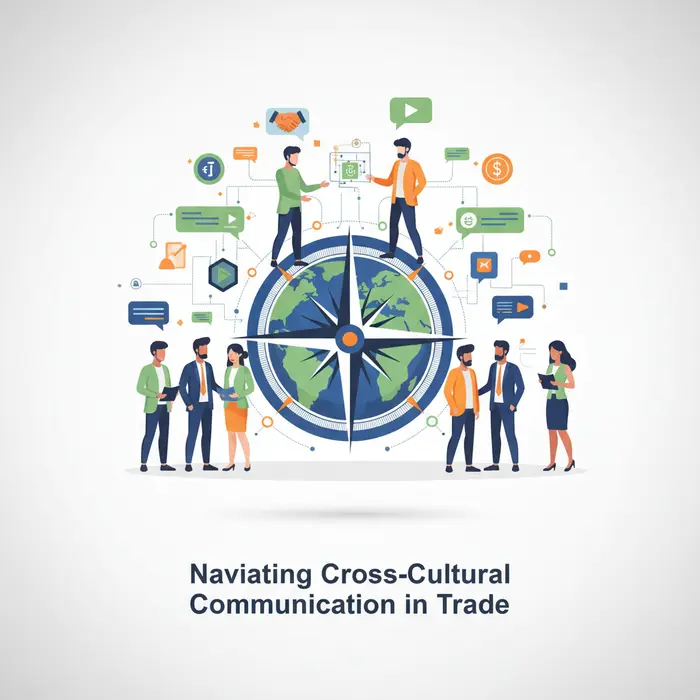
Navigating Cross-Cultural Communication in Trade
In the intricate world of global commerce, effective International B2B communication solutions are not merely an advantage but a necessity. The success of international trade hinges significantly on bridging the cultural divides that often complicate interactions between buyers and suppliers. From nuanced negotiation styles to differing expectations about punctuality and hierarchy, Cross-cultural communication international trade presents a unique set of challenges. Overlooking these complexities can lead to misunderstandings, strained relationships, and even failed deals. This section delves into strategies for fostering clear, respectful, and productive communication across diverse international business environments, ensuring smoother transactions and stronger partnerships.
1. Understanding Cultural Nuances and Business Etiquette
Effective buyer supplier communication strategies begin with a profound understanding of the cultural context in which business is conducted. Cultural nuances extend far beyond language, encompassing non-verbal cues, perceptions of time, directness in communication, and the importance of relationships versus contracts. For instance, in some cultures, direct “no” might be considered impolite, while in others, it’s expected. Similarly, the concept of punctuality can vary significantly; being five minutes late in one culture might be acceptable, but highly disrespectful in another. Companies engaging in global trade must invest in cultural intelligence training for their teams. This includes researching the specific business etiquette of their partners’ countries, understanding power distance, individualism versus collectivism, and communication styles (high-context vs. low-context). Recognizing and respecting these differences prevents misinterpretations and lays the groundwork for more harmonious and productive discussions. Consulting expert insights on cultural intelligence can provide invaluable frameworks for navigating these complexities.
2. Overcoming Language Barriers Effectively
While often the most obvious hurdle, language barriers are not insurmountable. Simply translating words is rarely enough; cultural context and idiom interpretation are crucial. Relying on machine translation for critical business discussions can be risky, often leading to miscommunications that impact the entire supply chain. Instead, organizations should prioritize professional human translators or interpreters who are not only fluent in both languages but also possess a deep understanding of business terminology and cultural subtleties. When direct communication occurs, speaking clearly and slowly, avoiding jargon, and asking open-ended questions to confirm understanding are essential supply chain communication best practices. Providing written summaries of discussions can also reinforce understanding and minimize ambiguity. Furthermore, demonstrating an effort to learn basic greetings or key phrases in a partner’s language can show respect and foster goodwill, even if a full conversation isn’t possible.
3. Building Trust Across Borders and Cultures
Trust is the bedrock of any successful long-term business relationship, and its construction varies significantly across cultures. In many Western cultures, trust might be primarily based on contracts and professional competence, while in others, especially in Asia and Latin America, personal relationships and a sense of mutual obligation are paramount. To facilitate improving B2B supplier relationships global trade, businesses must be patient, consistent, and transparent. Showing empathy, actively listening to concerns, and fulfilling commitments are universal trust-builders. However, understanding how trust is valued and cultivated in a specific cultural context is key. This might involve investing time in social interactions outside of formal meetings, demonstrating flexibility when appropriate, and being prepared for longer negotiation processes focused on relationship building. Proactive, transparent, and consistent communication, even when delivering challenging news, helps to maintain credibility and reinforce a foundation of trust, ultimately leading to more resilient and successful international partnerships.
Optimizing Supply Chain Communication Best Practices
In today’s volatile global economy, effective communication is the linchpin of a resilient supply chain. Disruptions, whether from natural disasters or geopolitical shifts, can cripple operations if not swiftly addressed through clear, efficient, and transparent information exchange. Mastering International B2B communication solutions is no longer a luxury but a fundamental necessity for preventing bottlenecks, fostering stronger partnerships, and ensuring operational continuity. By implementing robust communication frameworks, businesses can transform potential crises into manageable challenges, safeguarding reputation and profitability.
1. Real-time Data Sharing and Enhanced Visibility
The cornerstone of modern supply chain communication best practices is immediate, accurate data sharing. Traditional methods like emails or spreadsheets are too slow and error-prone for global environments. To overcome this, companies must invest in integrated platforms offering real-time visibility into every supply chain stage – from procurement to delivery. This includes shared access to inventory levels, production schedules, shipping updates, and quality control reports. Technologies such as cloud-based ERP systems, SCM software, and collaborative portals enable all stakeholders – buyers, suppliers, logistics providers – to access critical information simultaneously.
Enhanced visibility allows for proactive decision-making, significantly reducing lead times and mitigating potential delays. If a raw material shipment is delayed, all parties are instantly notified, enabling factories to adjust production or explore alternative sourcing. This transparency cultivates trust and strengthens buyer supplier communication strategies, transforming transactional relationships into collaborative partnerships. By providing a unified source of truth, these systems eliminate discrepancies and foster a shared understanding of operational status. According to Accenture, digital transformation, including real-time data sharing, is crucial for building agility. The shift towards comprehensive supply chain visibility empowers organizations to anticipate and react to disruptions with unprecedented speed, ultimately improving overall efficiency and fostering robust improving B2B supplier relationships global trade.
2. Standardizing Communication Formats and Tools
Global supply chains involve partners from diverse cultural backgrounds and technological infrastructures, challenging cross-cultural communication international trade. To streamline information flow and minimize misunderstandings, standardizing communication formats and tools is imperative. This involves agreeing upon common terminology, adopting unified messaging platforms, and utilizing shared project management or collaboration software across the network. Centralized systems ensure all communications are archived, searchable, and accessible to relevant parties, unlike disparate email threads or chat applications.
Implementing clear guidelines for communication frequency, reporting structures, and escalation paths further enhances efficiency. For example, agreeing on weekly progress reports via standardized templates or using a specific secure messaging app for urgent updates can drastically reduce misinterpretations and improve response times. Training for all partners on these standardized tools is essential. Investing in robust International B2B communication solutions that bridge language barriers and integrate seamlessly with existing systems can be a game-changer. By reducing ambiguity and creating a predictable communication environment, businesses significantly improve information exchange, leading to more reliable operations and stronger, more efficient buyer supplier communication strategies.
3. Establishing Crisis Communication Protocols
Despite best efforts, supply chain disruptions are an unavoidable reality. How an organization communicates during these events defines its ability to recover and maintain trust. Therefore, establishing comprehensive crisis communication protocols is a critical component of effective supply chain communication best practices. These protocols should be pre-defined, clearly documented, and regularly reviewed with all key supply chain partners.
A robust crisis communication plan typically includes:
- Designated Spokespersons: Individuals responsible for issuing official communications, ensuring a consistent message.
- Pre-approved Communication Channels: Specific platforms (e.g., dedicated crisis portal, emergency broadcast system) for urgent information dissemination.
- Escalation Procedures: Defined steps for reporting issues, determining severity, and engaging appropriate management levels.
- Frequency and Content of Updates: Guidelines on how often updates will be provided and what information should be included.
- Stakeholder Mapping: Identifying all parties needing to be informed during a crisis (e.g., specific suppliers, customers, logistics partners) and tailoring messages accordingly.
By having these protocols in place, companies can react swiftly and strategically, minimizing panic, controlling the narrative, and providing accurate, timely information. This transparency during challenging times not only helps manage immediate disruption but also reinforces long-term trust and commitment, vital for improving B2B supplier relationships global trade and ensuring resilience. A well-executed crisis communication plan demonstrates leadership and reliability, solidifying partnerships when most tested.
Fostering Strong B2B Supplier Relationships Globally
In the complex and interconnected world of international trade, building and maintaining robust, long-term relationships with global suppliers and partners is not merely a best practice—it's a strategic imperative. Effective International B2B communication solutions are the cornerstone of trust, collaboration, and ultimately, a resilient supply chain. These relationships extend beyond transactional interactions, evolving into strategic partnerships that drive innovation, mitigate risks, and foster mutual growth. By investing in superior buyer supplier communication strategies, companies can significantly improve collaboration, enhance operational efficiency, and cultivate unwavering loyalty from their international partners. Navigating diverse cultural landscapes and time zones requires a deliberate, proactive approach to communication, ensuring clarity, understanding, and alignment on shared objectives.
Developing strong bonds with international suppliers involves understanding their unique operational contexts, cultural nuances, and business philosophies. It requires dedicated effort to bridge geographical and cultural divides, transforming potential barriers into opportunities for deeper engagement. This section outlines key strategies for cultivating these vital relationships, focusing on practical approaches that yield tangible benefits in global trade.

1. Collaborative Problem-Solving Approaches
One of the most defining characteristics of strong B2B supplier relationships, especially in an international context, is the ability to engage in collaborative problem-solving. When challenges arise—be they logistical delays, quality control issues, or unexpected market shifts—a reactive, blame-oriented approach can quickly erode trust. Instead, successful partnerships are built on a foundation of open dialogue and shared responsibility. Implementing joint task forces, regular check-ins, and using shared communication platforms facilitate this process. For instance, when a supply chain disruption occurs, establishing a joint crisis management team with representatives from both the buyer and supplier can lead to quicker, more effective solutions. This requires transparent data sharing and a willingness to understand each other's perspectives and constraints. Effective cross-cultural communication in international trade is paramount here, as different cultures may approach problem-solving and conflict resolution in varied ways. Training staff in cultural intelligence and providing language support can significantly enhance these collaborative efforts, ensuring that solutions are not only technically sound but also culturally appropriate and mutually beneficial.
2. Regular Relationship Management and Review
Like any strategic asset, international supplier relationships require consistent nurturing and periodic review. This goes beyond annual performance evaluations. It involves establishing a cadence of regular, informal check-ins and formal business reviews. These reviews should cover operational performance, strategic alignment, market insights, and future opportunities. For example, quarterly business reviews can be structured to discuss key performance indicators (KPIs), identify areas for improvement, and explore new product development or process optimization initiatives. Leveraging digital tools for transparent performance tracking and feedback collection can streamline these reviews. Furthermore, creating mechanisms for continuous feedback allows both parties to voice concerns and suggest improvements proactively. Implementing supply chain communication best practices, such as standardized reporting formats and dedicated account managers, ensures consistency and reliability. This proactive engagement reinforces the strategic value of the partnership and fosters a sense of shared destiny. Regular communication also helps in anticipating future needs and adapting to changing market dynamics, thereby building a more resilient and agile supply chain. Building strong supplier collaboration is a continuous process that requires commitment from both sides.
3. Measuring the ROI of Effective Communication
While often perceived as qualitative, the return on investment (ROI) of effective communication and strong B2B supplier relationships can and should be measured. Quantifying these benefits helps justify the resources invested and highlights the strategic value of such partnerships. Metrics can include reductions in lead times, improvements in product quality, lower defect rates, increased on-time delivery percentages, and reduced procurement costs through joint innovation or better negotiation power. Furthermore, strong relationships often lead to increased supplier loyalty, preferred access to new technologies or materials, and a willingness to go the extra mile during challenging times. For instance, a supplier with whom you have a strong relationship might prioritize your orders during a period of high demand or offer more flexible payment terms. Tracking indicators like supplier innovation contributions, joint cost-saving initiatives, and overall supplier satisfaction scores can provide tangible evidence of the value created. Ultimately, by systematically measuring these outcomes, companies can clearly demonstrate how improving B2B supplier relationships in global trade through superior communication directly contributes to bottom-line results and long-term competitive advantage. These insights can then inform future strategies for cultivating even stronger international partnerships.
Partner with Vietnam’s Leading Suppliers
Looking for reliable suppliers in Vietnam? Contact VietnamSuppliers.com today to connect with verified manufacturers and exporters across all industries.
—————————————
References
– Cross-Cultural Communication: How to Avoid These Mistakes – Harvard Business Review: https://hbr.org/2014/08/cross-cultural-communication-how-to-avoid-these-mistakes
– The Ultimate Guide to Cross-Cultural Communication: https://hbr.org/2021/04/the-ultimate-guide-to-cross-cultural-communication
– Communicating Across Cultures – Harvard Business Review: https://hbr.org/2014/10/how-to-communicate-across-cultures
– The Path to Resilient Supply Chains | Accenture: https://www.accenture.com/us-en/insights/supply-chain-operations/supply-chain-resilience
– Supplier Collaboration: https://www.accenture.com/us-en/insights/consulting/supplier-collaboration