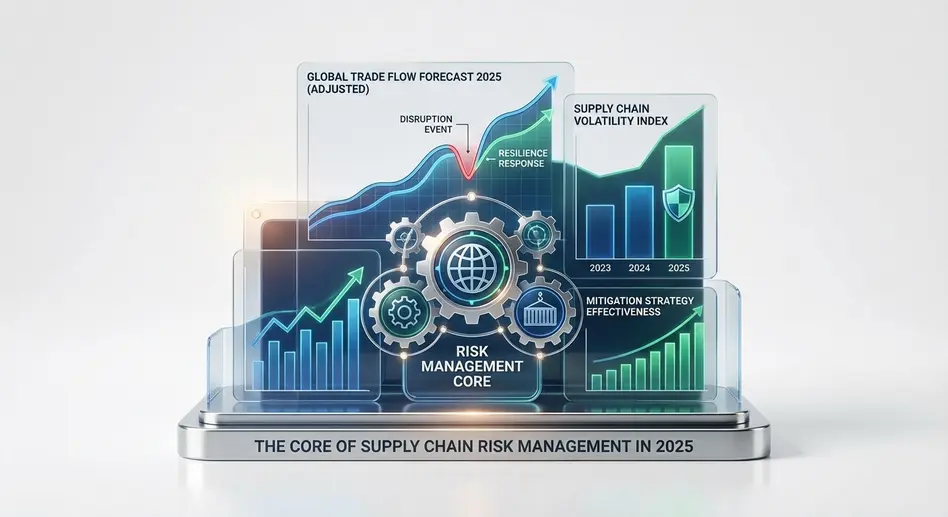
The Core of Supply Chain Risk Management in 2025
As we navigate toward 2025, the global trade landscape is undergoing a profound transformation. The era of predictable logistics and stable geopolitical relations has given way to a volatile environment where disruption is the only constant. For modern enterprises, supply chain risk management is no longer a peripheral concern handled by logistics departments; it has become the central pillar of corporate strategy and resilience.
Proactive risk mitigation involves moving beyond reactive troubleshooting to a model of continuous foresight. This evolution is driven by the realization that disruptions—whether caused by climate events, political shifts, or economic instability—can have cascading effects that jeopardize a brand’s survival. To succeed in 2025, businesses must integrate sophisticated tools and local insights to build a supply chain that is not just efficient, but antifragile.
1. Identifying Global Disruptions
The first step in modern risk management is the comprehensive identification of potential disruptions. In 2025, these threats are more diverse than ever. Geopolitical tensions are reshaping trade routes, forcing companies to look for alternative hubs. For instance, many Western firms are increasingly utilizing a Vietnam B2B directory to diversify their manufacturing base away from high-tariff regions, seeking stability in Southeast Asia’s growing industrial ecosystems.
Beyond politics, climate-related disasters and labor shortages continue to plague traditional corridors. Identifying these risks requires a localized understanding of where your components originate. By mapping the entire value chain, companies can pinpoint single points of failure. The goal is to transition from a single-source dependency to a multi-nodal network where a disruption in one geographic region does not lead to a total operational shutdown.
2. Data-Driven Forecasting
Predictive analytics have become the backbone of resilience. In 2025, gut feeling is replaced by the Trade risk assessment report, which utilizes real-time data to simulate various crisis scenarios. These reports analyze everything from port congestion metrics to currency fluctuations, allowing procurement officers to make informed decisions months before a crisis hits.
Modern supply chain risk management leverages AI to scan thousands of data points across the web, identifying early warning signs of supplier distress or regional instability. When combined with rigorous supplier verification services, this data-driven approach ensures that businesses are partnering with entities that are financially sound and operationally capable of weathering economic downturns. This technological edge allows firms to pivot their logistics strategies dynamically, ensuring that the flow of goods remains uninterrupted even when global circumstances change.
3. Regulatory Compliance
The final pillar of a robust 2025 strategy is navigating the complex web of international regulations. Governments worldwide are tightening rules around transparency and ethics. According to the World Trade Organization, trade policies are increasingly being used to enforce environmental and social standards. Therefore, integrating sustainable sourcing strategies is no longer optional; it is a regulatory requirement for market entry in many jurisdictions.
Compliance in 2025 means ensuring that every tier of the supply chain adheres to labor laws and carbon emission targets. Failure to do so results in heavy fines and significant reputational damage. By implementing strict auditing processes and utilizing digital tracking, companies can verify the origin and ethical standing of their materials. This level of transparency not only satisfies regulators but also builds trust with a consumer base that is increasingly conscious of the environmental footprint of the products they purchase.
Leveraging Supplier Verification Services for Security
In the contemporary global marketplace, the complexity of international trade introduces significant vulnerabilities to any procurement operation. Businesses expanding their footprint into Southeast Asia, particularly Vietnam, often face challenges ranging from intellectual property theft to financial fraud and catastrophic quality failures. Consequently, effective Supply chain risk management has evolved from a back-office function to a primary strategic pillar for operational continuity. By integrating specialized verification protocols, organizations can protect their bottom line and brand reputation from the inherent dangers of global sourcing.
Leveraging supplier verification services is a proactive approach to security. Rather than reacting to a shipment of defective goods or discovering a supplier has declared bankruptcy after a deposit is paid, verification allows for pre-emptive action. These services provide an objective layer of scrutiny that internal teams, often limited by distance and language barriers, cannot achieve alone. The goal is to build a fortified procurement ecosystem where every node is validated, compliant, and reliable.
1. Vetting New Partners
The journey to a secure supply chain begins with identification and due diligence. While a Vietnam B2B directory serves as an excellent starting point for finding potential manufacturing partners, it is merely the first step. Not all listed entities possess the necessary licenses, financial stability, or ethical standards required for international trade. Vetting new partners involves a multi-dimensional analysis that transcends simple digital presence.
Professional vetting protocols utilize a trade risk assessment report to scrutinize the legal and financial backbone of a prospective supplier. This report details the company’s registration history, shareholder structure, and any history of legal disputes or tax irregularities. By uncovering these details early, procurement managers can filter out high-risk entities before they enter the supply chain. This initial gatekeeping is the most cost-effective method of fraud prevention, ensuring that contracts are signed only with legitimate, solvent, and reputable organizations.
2. On-site Inspection Benefits
Paperwork can only tell part of the story. To truly secure a supply chain, physical verification is indispensable. On-site inspections allow businesses to verify that a supplier’s actual production capacity matches their claims. This process is a cornerstone of global supply chain resilience, as it identifies bottlenecks and technical limitations that could lead to quality issues down the line.
During an on-site visit, inspectors evaluate the machinery, the quality control laboratory, and the storage conditions of raw materials. They also observe the workforce in real-time, which is essential for implementing sustainable sourcing strategies. Verifying that a supplier adheres to fair labor practices and environmental regulations not only mitigates ethical risks but also protects the buyer from the legal repercussions of working with non-compliant factories. Furthermore, a physical presence discourages the common practice of “subcontracting,” where an order is quietly passed to an unverified, lower-quality workshop without the buyer’s knowledge.
3. Ensuring Operational Transparency
Security in procurement is not a one-time event; it is a state of ongoing vigilance. Ensuring operational transparency requires a continuous flow of data between the supplier and the buyer. This transparency is achieved through periodic audits and the implementation of standardized reporting. When suppliers operate under the knowledge that their processes are being monitored via regular supplier verification services, they are significantly less likely to cut corners on material quality or safety protocols.
A transparent supply chain also facilitates better communication during disruptions. If a supplier is open about their logistical challenges or raw material shortages, the buyer can adjust their supply chain risk management tactics accordingly. Ultimately, leveraging these verification tools transforms the supplier-buyer dynamic from a transactional relationship based on hope into a strategic partnership based on verified data and mutual accountability. By investing in these security measures, businesses can navigate the complexities of the Vietnamese market with confidence and long-term stability.
Utilizing a Vietnam B2B Directory for Diversification
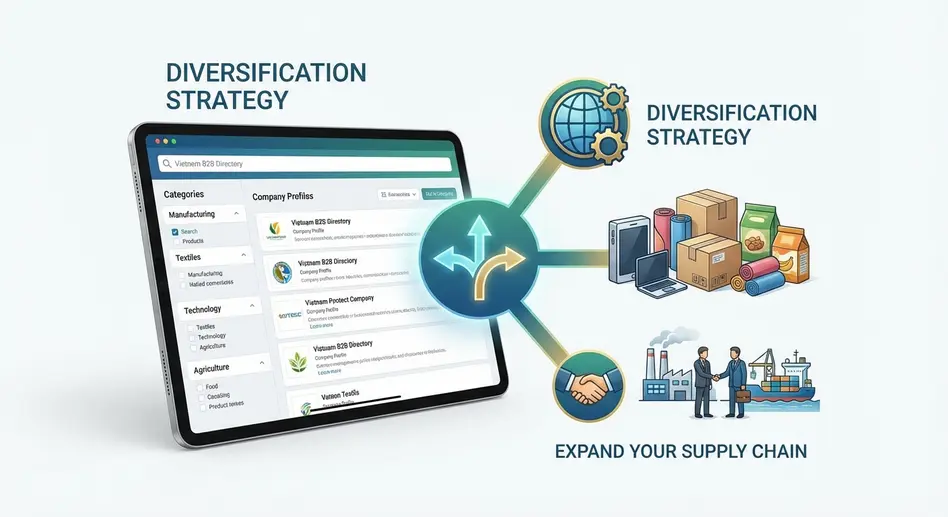
In an era defined by global instability and fluctuating trade policies, effective Supply chain risk management has transitioned from a backend operational concern to a primary strategic priority for international enterprises. Vietnam has emerged as a powerhouse in the Southeast Asian region, offering a stable environment for those looking to decentralize their manufacturing dependencies. By leveraging a comprehensive Vietnam B2B directory, businesses can navigate the complexities of a new market with greater confidence and precision. This tool serves as the first line of defense against logistical bottlenecks and regional disruptions.
1. Sourcing Beyond China
The "China Plus One" strategy is no longer just a trend; it is a necessity for long-term resilience. Shifting portions of production to Vietnam allows companies to mitigate tariffs and geopolitical tensions that often plague single-source dependencies. However, finding the right entry point requires more than a simple search engine query. A dedicated directory streamlines this transition by categorizing industries—from textiles and footwear to high-tech electronics—enabling procurement teams to implement sustainable sourcing strategies that align with global environmental and social standards. According to data monitored by the World Trade Organization, diversifying supplier bases is a critical component of maintaining global trade fluidity and economic stability during periods of volatility.
2. Local Market Insights
Understanding the nuances of the Vietnamese industrial landscape is vital for any successful expansion. A detailed trade risk assessment report obtained through professional B2B platforms can reveal critical details about a region’s infrastructure, labor availability, and specialized industrial zones. This level of granularity ensures that businesses are not just picking a name off a list but are making data-driven decisions based on regional advantages. High-quality directories act as a bridge, providing the context necessary to evaluate the financial stability and operational capacity of potential partners before any contracts are signed.
3. Connecting with Certified Manufacturers
One of the biggest hurdles in international trade is establishing trust. Utilizing professional supplier verification services through a B2B portal minimizes the danger of fraud or subpar quality standards. These services often include factory audits, ISO certification checks, and historical performance reviews. By focusing on verified entities, businesses can ensure their Supply chain risk management protocols are robust, protecting the brand’s reputation and ensuring that all partners adhere to international quality benchmarks. By vetting manufacturers through a reputable directory, companies can build a resilient, diversified network that is prepared for the challenges of the modern marketplace.
The Role of a Trade Risk Assessment Report
In the modern global economy, the complexity of international trade necessitates a proactive approach to due diligence. While a Vietnam B2B directory serves as an excellent starting point for discovering potential manufacturing partners, it represents only the first step in a long journey of vetting. To truly protect capital and ensure delivery timelines, businesses must employ a comprehensive Trade risk assessment report. This document functions as a strategic roadmap, identifying potential pitfalls before they manifest as costly disruptions. Effective supply chain risk management is no longer just a defensive measure; it is a competitive advantage that allows firms to pivot quickly in a volatile market.
1. Financial Stability Checks
The cornerstone of any reliable partnership is the financial health of the supplier. A Trade risk assessment report prioritizes deep-dive financial audits to ensure that a factory or distributor has the liquidity to fulfill large-scale orders. Without professional supplier verification services, an importer might unknowingly partner with a firm on the brink of insolvency. Financial stability checks look beyond simple balance sheets, examining debt-to-equity ratios, payment histories with sub-contractors, and creditworthiness. When a supplier is financially distressed, the risks of production halts, quality compromises, or outright bankruptcy increase exponentially. By verifying these metrics early, businesses can safeguard their investments and maintain the continuity of their product lines.
2. Geopolitical Risk Factors
International trade is inextricably linked to the political climate of the regions involved. A robust risk report evaluates geopolitical stability, trade policy shifts, and regulatory changes that could impact tariffs or export licenses. For instance, understanding the implications of the World Trade Organization’s latest findings on global trade fragmentation is essential for companies operating in emerging markets. Geopolitical risks can lead to sudden border closures, increased taxation, or sanctions that render a once-lucrative partnership unviable. By incorporating these macro-level factors into a Trade risk assessment report, procurement teams can build more resilient, diversified supply chains that are capable of weathering regional instability or shifting international relations.
3. Logistics Vulnerability Analysis
Even with a financially sound and politically stable partner, the physical movement of goods remains a significant point of failure. Logistics vulnerability analysis examines the infrastructure, port efficiency, and transport routes used to move products from the factory floor to the end consumer. This is a critical component of supply chain risk management, as it identifies bottlenecks such as seasonal port congestion or inadequate rail systems. In a country like Vietnam, where rapid industrialization is putting pressure on existing infrastructure, understanding these constraints is vital. A detailed report allows businesses to develop contingency plans, such as alternative shipping routes or localized warehousing, to ensure that delivery timelines are met despite unforeseen logistical hurdles.
Ultimately, the integration of these reports into your procurement process supports long-term sustainable sourcing strategies. By prioritizing transparency and accountability, businesses do more than just avoid risk; they build a foundation for ethical and durable trade relationships. Whether you are navigating a new market or optimizing an existing one, the actionable intelligence provided by a Trade risk assessment report is the most effective tool for protecting your bottom line and ensuring organizational growth.
Implementing Sustainable Sourcing Strategies
In the contemporary global marketplace, the shift toward sustainability is no longer a peripheral corporate social responsibility goal; it is a fundamental requirement for business continuity. Implementing Supply chain risk management strategies that prioritize environmental, social, and governance (ESG) factors is essential for maintaining brand reputation and complying with increasingly stringent international trade standards. As consumers and regulators demand higher levels of transparency, businesses must evolve from traditional procurement models to more holistic, Sustainable sourcing strategies that ensure long-term viability.

Effective sustainability begins with a deep understanding of the supplier base. For many enterprises, this involves moving beyond simple price-based decisions and looking into the operational ethics of their partners. By integrating sustainability into the core of procurement, companies can mitigate risks related to regulatory fines, supply disruptions, and public relations crises. The following sections outline the critical pillars of building a sustainable and resilient supply chain.
1. Ethical Labor Practices
The foundation of any sustainable supply chain is the ethical treatment of workers. Ethical labor practices involve ensuring fair wages, safe working environments, and the absolute prohibition of forced or child labor. To verify compliance, companies are increasingly relying on professional Supplier verification services. These services conduct on-site audits and social compliance checks that are vital for maintaining alignment with global standards such as those set by the International Labour Organization.
Neglecting labor ethics can lead to catastrophic damage to a brand’s image and significant legal repercussions. By proactively managing these human elements, businesses not only protect their reputation but also foster a more motivated and productive workforce within their supply chain. This proactive stance is a key component of a modern risk mitigation framework, ensuring that the human capital supporting the business is treated with dignity and respect.
2. Reducing Carbon Footprints
Environmental stewardship is a primary driver behind modern Sustainable sourcing strategies. Reducing the carbon footprint of a supply chain involves optimizing logistics, minimizing waste, and selecting manufacturing partners who utilize renewable energy sources. In the context of Southeast Asian manufacturing, identifying green-certified vendors can be streamlined by utilizing a comprehensive Vietnam B2B directory. Such directories allow procurement managers to filter for suppliers that meet specific environmental criteria, thereby shortening the search for eco-friendly partners.
Furthermore, localizing supply chains or clustering suppliers can significantly reduce the emissions associated with international transport. By measuring and reporting on carbon metrics, companies can demonstrate their commitment to environmental goals to stakeholders and investors. This data-driven approach not only helps the planet but often reveals operational inefficiencies that, when corrected, lead to significant cost savings over time.
3. Long-term Supplier Relationships
Moving away from transactional, short-term contracts toward long-term supplier relationships is essential for sustainability. Stability in the supply chain allows for collaborative innovation and shared investment in sustainable technologies. To facilitate these enduring partnerships, businesses should conduct thorough due diligence using a Trade risk assessment report. This report provides deep insights into a supplier’s financial health, historical performance, and ethical standing, ensuring that the partnership is built on a solid foundation of trust.
Long-term partners are more likely to align with a brand’s sustainability vision and invest in the necessary infrastructure to meet future environmental mandates. This collaborative spirit transforms the supply chain from a source of potential vulnerability into a strategic asset. Ultimately, the integration of sustainability into every facet of supply chain management ensures that businesses can thrive in an era where ethical performance is just as important as financial performance.
Partner with Vietnam’s Leading Suppliers
You are looking for reliable suppliers in Vietnam? Contact VietnamSuppliers.com today to connect with verified manufacturers and exporters across all industries.
—————————————
References
– World Trade Organization: https://www.wto.org
– Global supply chain resilience: https://hbr.org/2020/09/global-supply-chains-in-a-post-pandemic-world
– World Trade Organization: https://www.wto.org
– World Trade Report 2023: https://www.wto.org/english/res_e/publications_e/wtr23_e.htm
– International Labour Organization: https://www.ilo.org/global/standards/lang–en/index.htm