Navigating the Global B2B Payment Landscape 2025
The intricate world of global commerce is increasingly reliant on seamless, secure, and efficient financial transactions. As businesses expand their reach across borders, the challenges associated with international B2B payments become more pronounced. This pivotal section, derived from our comprehensive Global B2B Cross-Border Payment Trends Report, offers a critical overview of the current state and future predictions for B2B cross-border payments. It emphasizes the report’s key findings and underscores its importance for businesses navigating the evolving international trade landscape.
In 2025, the global B2B payment landscape is characterized by rapid technological advancement, increased regulatory scrutiny, and a persistent demand for greater transparency and speed. Our report delves into these complexities, providing actionable insights for stakeholders ranging from multinational corporations to small and medium-sized enterprises (SMEs) engaged in global trade. Understanding these dynamics is not just an operational necessity but a strategic imperative for sustained growth and competitive advantage.

Key Drivers of Cross-Border Payment Evolution
Several powerful forces are reshaping the way businesses transact internationally. First, the relentless pace of digitalization and the widespread adoption of e-commerce platforms have created an expectation for instant and trackable payments, regardless of geographical barriers. This digital transformation directly addresses many traditional international trade payment challenges, pushing for more integrated and automated solutions.
Second, globalization continues to foster interconnected supply chains, making the efficiency of B2B cross-border settlements crucial for operational continuity. Companies are increasingly demanding solutions that offer real-time processing, enhanced data visibility, and improved reconciliation capabilities. Third, the fluctuating global economic climate brings into sharp focus the imperative of reducing FX risk global trade. Currency volatility can significantly erode profit margins, driving businesses to seek innovative payment methods that offer better hedging strategies or direct local currency settlement options.
Finally, the advent of new payment technologies, such as blockchain and distributed ledger technology (DLT), along with the expansion of real-time payment rails across various jurisdictions, is fundamentally altering the infrastructure of cross-border transactions. These innovations promise to lower costs, increase speed, and enhance security, effectively addressing long-standing inefficiencies that have plagued international trade for decades. As these drivers converge, they create a dynamic environment where adaptation and innovation are paramount.
Methodology & Scope of the Report
The Global B2B Cross-Border Payment Trends Report employs a rigorous methodology to ensure its findings are robust, relevant, and forward-looking. Our research involved a comprehensive analysis of global payment data from leading financial institutions, payment providers, and regulatory bodies. This quantitative analysis was complemented by qualitative insights gathered through extensive interviews with industry experts, fintech innovators, and corporate treasurers across key global markets.
The report’s scope is broad, covering major economic blocs including North America, Europe, Asia-Pacific, Latin America, and Africa. It examines various payment instruments, from traditional wire transfers and letters of credit to emerging digital currencies and peer-to-peer payment networks. Furthermore, it scrutinizes the regulatory frameworks impacting cross-border payments, including AML (Anti-Money Laundering) and KYC (Know Your Customer) compliance, and their evolution in response to new technologies. The goal is to provide a holistic view that empowers businesses to make informed decisions about their payment strategies in an increasingly complex environment.
Emerging Trends and Solutions for B2B Cross-Border Payments
The future of B2B cross-border payments is being shaped by several transformative trends and the development of sophisticated B2B cross-border settlement solutions. One significant trend is the increasing adoption of real-time payment systems that allow funds to be transferred and settled almost instantaneously. This not only improves liquidity for businesses but also enhances cash flow management, a critical factor for global operations.
Another key development is the proliferation of API-driven platforms that integrate directly with enterprise resource planning (ERP) systems, enabling automated payment processing, reconciliation, and reporting. These solutions are pivotal in streamlining operations and reducing manual errors. Furthermore, the push for greater transparency and traceability is leading to widespread interest in blockchain-based payment solutions, which offer immutable ledgers and potentially lower transaction costs. Innovations like SWIFT gpi have already demonstrated significant improvements in the speed and transparency of traditional cross-border payments.
Regionally, markets like Vietnam are witnessing significant advancements in their payment infrastructures to support growing export economies. For businesses engaging in international trade with this vibrant market, understanding specific Vietnam export payment methods—from local bank transfers to mobile payment integrations and e-wallets—is essential. Our report highlights how such regional specificities are integrated into global payment strategies, providing tailored recommendations. By embracing these emerging trends and leveraging advanced settlement solutions, businesses can overcome traditional hurdles and unlock new efficiencies in their global trade operations.
Decoding International Trade Payment Challenges
In an increasingly interconnected global economy, businesses are constantly seeking opportunities beyond domestic borders. However, venturing into international trade brings with it a complex web of financial operations, often fraught with significant hurdles. These international trade payment challenges can range from intricate regulatory frameworks to pervasive operational inefficiencies, impacting cash flow, profitability, and even business continuity. Understanding and addressing these obstacles is paramount for any enterprise looking to thrive in cross-border commerce.
1. Regulatory Hurdles and Compliance Costs
One of the most formidable barriers in international trade payments is navigating the labyrinthine landscape of regulatory requirements. Each country often possesses its own unique set of laws governing financial transactions, anti-money laundering (AML), know-your-customer (KYC) protocols, sanctions lists, data privacy rules, and capital controls. For businesses, this translates into a substantial compliance burden. Adhering to these diverse regulations demands dedicated resources for legal counsel, sophisticated compliance software, and robust internal processes. Failure to comply can result in hefty fines, legal repercussions, reputational damage, and even blacklisting from financial systems. Staying abreast of rapidly evolving global standards, such as those set by the Bank for International Settlements (BIS) on prudential standards, requires continuous monitoring and adaptation, contributing significantly to the overall cost of international trade.
2. Operational Inefficiencies & Transparency Gaps
Beyond regulatory complexities, many businesses grapple with profound operational inefficiencies in their cross-border payment processes. Traditional banking systems, while reliable, can be slow, opaque, and expensive. Delays in payment processing and settlement are common, leading to extended cash conversion cycles and strained supplier relationships. Manual reconciliation of payments, particularly when dealing with multiple currencies and payment methods, is prone to errors and consumes valuable staff time. Furthermore, a lack of real-time visibility into transaction statuses means businesses often struggle to track payments, identify bottlenecks, or accurately forecast cash flows. Hidden fees, intermediary bank charges, and variable exchange rates further erode transparency, making it difficult for companies to ascertain the true cost of their international transactions. These transparency gaps often necessitate B2B cross-border settlement solutions that offer greater clarity and speed.
3. Exchange Rate Volatility and Payment Security Risks
The fluctuating nature of foreign exchange (FX) rates presents another significant challenge for businesses engaged in international trade. Unpredictable currency movements can erode profit margins, making it difficult to price goods and services competitively or to forecast earnings accurately. Managing and reducing FX risk global trade often requires implementing sophisticated hedging strategies, such as forward contracts or options, which come with their own complexities and costs. Without effective risk mitigation, businesses can face substantial losses due to adverse currency shifts between the time an order is placed and when payment is received. Coupled with FX volatility are ever-present payment security risks. Cross-border transactions are prime targets for fraud, cyber-attacks, and phishing scams. Protecting sensitive financial data and ensuring the integrity of payment channels is critical, requiring robust cybersecurity measures and secure payment platforms to prevent financial losses and maintain customer trust.
For exporters in specific regions, like Vietnam, these challenges are particularly pertinent. Vietnam export payment methods, while evolving, still frequently rely on traditional instruments like Letters of Credit (LCs) and Telegraphic Transfers (TTs). While LCs offer security, they are often cumbersome and expensive. TTs are faster but carry higher risks for the exporter. Modern B2B cross-border settlement solutions, including digital platforms and blockchain-based systems, are emerging as viable alternatives, promising faster, cheaper, and more transparent transactions, helping businesses navigate these complexities more efficiently.
Addressing these multifaceted international trade payment challenges requires a strategic approach, leveraging technology and expertise to streamline operations, ensure compliance, and mitigate financial risks. For a deeper dive into the evolving landscape and effective strategies, a comprehensive resource like the Global B2B Cross-Border Payment Trends Report can provide invaluable insights for businesses seeking to optimize their cross-border payment processes and unlock new opportunities in the global marketplace.
The landscape of international commerce is in constant flux, demanding increasingly sophisticated and agile financial mechanisms. Businesses engaged in global trade frequently grapple with significant International trade payment challenges, including high transaction costs, slow settlement times, opaque foreign exchange (FX) rates, and complex regulatory compliance. Traditional banking systems, while reliable, often fall short of the speed and transparency required by today’s interconnected global economy. This necessitates a deep dive into innovative B2B cross-border settlement solutions that are not just incrementally better, but fundamentally transformative. The pursuit of faster, more secure, and cost-effective ways to manage international payments is no longer a luxury but a strategic imperative for businesses looking to thrive in a globalized marketplace, shaping the very essence of any Global B2B Cross-Border Payment Trends Report.
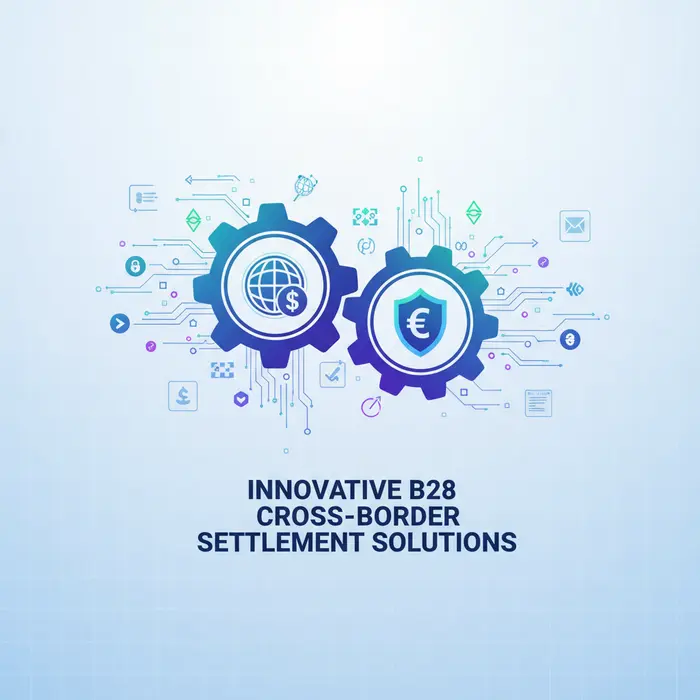
Against this backdrop, several cutting-edge technologies and strategies are converging to redefine how businesses settle international payments. These innovations promise to streamline operations, mitigate risks like Reducing FX risk global trade, and unlock new efficiencies for companies across the spectrum, from small and medium-sized enterprises (SMEs) to multinational corporations. The focus is firmly on creating a payment ecosystem that is not only robust but also intelligent, adaptable, and globally accessible, directly addressing the pain points associated with current International trade payment challenges and offering more viable B2B cross-border settlement solutions.
1. Emergence of Real-Time Payment Networks
The development and widespread adoption of real-time payment (RTP) networks represent a seismic shift in the world of financial transactions. These networks allow funds to be transferred and made available in the recipient’s account almost instantaneously, 24/7, 365 days a year. Unlike traditional batch processing, which can take days for cross-border transfers, RTP networks cut down settlement times dramatically, enhancing liquidity management and operational efficiency for businesses. For example, systems like SEPA Instant Credit Transfer in Europe, India’s UPI, and FedNow in the United States are setting new benchmarks for domestic payments, and their principles are now being extended to cross-border scenarios. This emergence is a crucial component of modern B2B cross-border settlement solutions. By providing immediate confirmation of payment, these networks improve cash flow forecasting, reduce the need for pre-funding accounts in various currencies, and foster greater trust between trading partners. The transparency and immediacy offered by RTP networks directly address many International trade payment challenges, making international trade smoother and more predictable.
2. Blockchain & DLT’s Role in Settlements
Blockchain and Distributed Ledger Technology (DLT) are perhaps the most talked-about innovations poised to revolutionize B2B cross-border settlements. By providing a decentralized, immutable, and transparent ledger for transactions, DLT fundamentally re-architects the payment process. It eliminates the need for multiple intermediaries, which traditionally add layers of cost, time, and complexity. Instead, transactions can be validated and settled directly between parties on a secure, shared ledger. This technology significantly enhances the security of transactions through cryptographic verification and reduces the incidence of fraud. Furthermore, DLT-based solutions often leverage cryptocurrencies or stablecoins as bridge currencies, allowing for near-instantaneous conversion and settlement across different national currencies, thereby dramatically Reducing FX risk global trade and associated costs. Platforms utilizing DLT are emerging as potent B2B cross-border settlement solutions, promising not just faster payments but also enhanced traceability and auditability for every transaction. This level of transparency is particularly beneficial for complex supply chains and can significantly improve compliance efforts for businesses involved in a Global B2B Cross-Border Payment Trends Report.
3. API-Driven Integration and Automation
Application Programming Interfaces (APIs) are the connective tissue enabling modern digital ecosystems, and their role in transforming B2B cross-border settlements is profound. APIs allow disparate financial systems, enterprise resource planning (ERP) platforms, treasury management systems, and payment providers to communicate and exchange data seamlessly in real-time. This integration capability empowers businesses to automate complex payment workflows, from initiation and approval to reconciliation and reporting. Instead of manual data entry and batch processing, APIs facilitate instant data transfer, allowing companies to trigger payments directly from their ERP systems, automatically apply FX rates, and receive real-time status updates. This level of automation drastically reduces operational costs, minimizes human error, and accelerates the entire payment lifecycle. For businesses operating with diverse Vietnam export payment methods or those with complex international operations, API-driven solutions offer unparalleled flexibility and control over their cash flows. They enable custom solutions tailored to specific business needs, ensuring that payments are executed efficiently and securely. This strategic shift towards integrated, automated payment processes is a cornerstone of next-generation B2B cross-border settlement solutions, offering a competitive edge by freeing up resources and providing clearer financial visibility.
The evolution of B2B cross-border settlement solutions is driven by the imperative to overcome persistent International trade payment challenges. The synergistic application of real-time payment networks, blockchain/DLT, and API-driven automation is paving the way for a new era of global commerce characterized by unprecedented speed, security, and cost-effectiveness. Businesses that embrace these innovations will not only streamline their financial operations but also significantly enhance their competitiveness in the global market, effectively Reducing FX risk global trade and optimizing their Vietnam export payment methods. This transformative period is an exciting one for international trade, promising a future where borders pose fewer barriers to efficient financial exchange, as highlighted in any comprehensive Global B2B Cross-Border Payment Trends Report.
Mitigating FX Risk in Global Trade Transactions
Global trade offers vast opportunities, yet it’s fraught with foreign exchange (FX) risk. Businesses engaging in Global B2B Cross-Border Payment Trends Report face constant currency fluctuations that can erode profit margins and complicate financial planning. Effective FX risk mitigation is a strategic imperative for safeguarding profitability and ensuring stability in volatile global markets.
The Impact of Currency Volatility on Profitability
One of the most significant International trade payment challenges is unpredictable currency exchange rates. Even minor shifts substantially impact international transactions. For importers, a strengthening foreign currency means higher costs, directly reducing gross profit. For exporters, a weakening foreign currency in the buyer’s market can lead to lower revenues upon conversion to the home currency. This uncertainty hinders accurate financial forecasting and impacts the bottom line.
Consider a Vietnamese exporter selling goods to a US buyer in USD. If the Vietnamese Dong (VND) strengthens against the USD between agreement and payment, the exporter receives fewer VND, reducing expected profit. This currency mismatch is a common source of FX risk, making reducing FX risk global trade a critical concern, particularly for those engaged in Vietnam export payment methods. Without proactive management, profit margins can be wiped out, undermining competitiveness.
Hedging Strategies for International Payments
To counter adverse currency volatility, businesses employ various hedging strategies to lock in an exchange rate or limit potential losses. These are fundamental B2B cross-border settlement solutions.
- Forward Contracts: A forward contract fixes an exchange rate today for a future transaction. This legally binding agreement sets the rate for a specific currency exchange on a predetermined date (typically 3 days to one year later), providing certainty over future cash flows and eliminating adverse currency movement risk.
- Foreign Currency Options: Options offer flexibility. They give the holder the right, but not the obligation, to buy or sell currency at a strike price on or before a specific date. This protects against unfavorable movements while allowing benefits from favorable ones, with the cost being the option’s premium.
- Currency Futures: Standardized and exchange-traded, futures contracts obligate buyer/seller to trade an asset at a future date and price. While useful, their standardization may limit flexibility for specific commercial transactions compared to tailor-made forward contracts.
- Currency Swaps: These involve exchanging principal and/or interest payments in one currency for equivalent payments in another over a specified period. They’re often used by larger corporations for long-term FX exposure or favorable foreign currency financing.
The optimal strategy depends on transaction specifics, risk tolerance, and market outlook. A clear hedging policy is vital for consistent risk management.
Leveraging Technology and Modern Payment Solutions for FX Risk Management
Beyond traditional hedging, technological advancements and innovative payment solutions are transforming FX risk management. Modern platforms offer real-time insights, automation, and more efficient B2B cross-border settlement solutions.
- Multi-currency Accounts and Wallets: These allow businesses to hold, send, and receive funds in multiple currencies without immediate conversion. This offers flexibility to time conversions strategically when rates are favorable or pay suppliers directly from foreign currency holdings, minimizing conversion fees and daily rate fluctuations.
- Integrated Payment Platforms: Many fintech platforms combine payment processing with FX risk management. They provide competitive exchange rates, facilitate forward contracts within the payment workflow, and offer automated hedging based on predefined rules. This reduces manual effort and ensures timely risk mitigation. Businesses using Vietnam export payment methods, for instance, can strategically manage USD/EUR to VND conversions.
- API-driven FX Services: For high-volume or complex treasury operations, direct integration with FX providers via APIs enables real-time rate queries, automated trade execution, and dynamic hedging. This integration allows instant responses to market changes and optimized currency conversions.
Adopting these digital tools is increasingly vital for streamlining global payments and protecting financial interests. By embracing technology, businesses can shift to proactive FX risk management, turning vulnerability into a competitive advantage. The global foreign exchange market is the largest financial market, as noted by the Bank for International Settlements (BIS), highlighting pervasive currency risk. Understanding its dynamics is crucial for businesses navigating international trade.
Navigating global trade demands a sophisticated approach to FX risk management. From understanding currency volatility’s impact to strategically deploying hedging instruments and leveraging modern technological solutions, a multi-faceted strategy is essential. Proactive FX risk management protects profit margins and provides the financial stability needed for sustainable global growth. By integrating these strategies, companies can confidently expand, turning international trade challenges into opportunities.
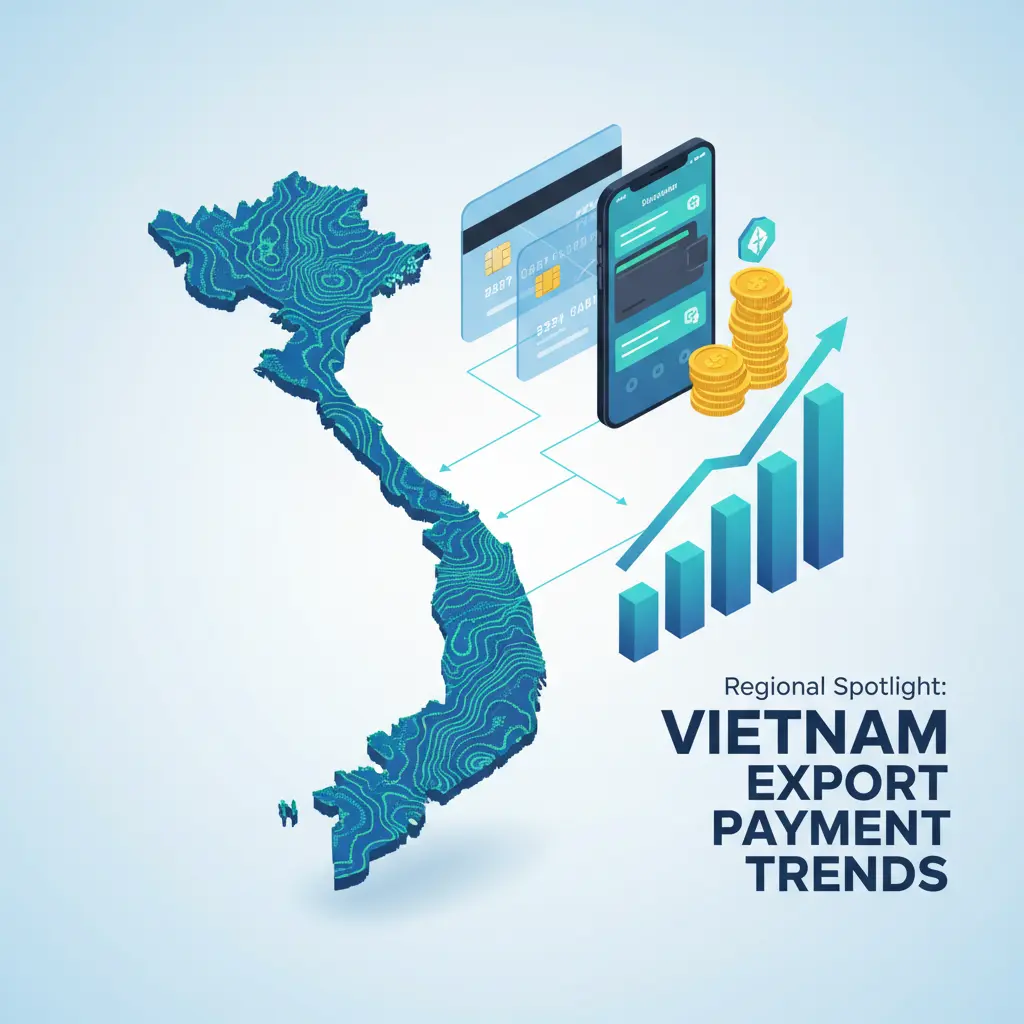
In the dynamic landscape of international commerce, understanding regional nuances in payment trends is crucial. This section provides a focused look at the unique payment landscape for Vietnamese exporters, highlighting common methods, challenges, and opportunities for growth. As outlined in the Global B2B Cross-Border Payment Trends Report, Vietnam’s export sector is experiencing significant expansion, necessitating efficient and secure payment solutions to sustain its momentum.
1. Popular Payment Methods for Vietnamese Exporters
Vietnamese exporters, much like their global counterparts, rely on a mix of traditional and increasingly modern payment methods. The predominant options typically prioritize security and reliability, given the complexities of cross-border transactions. Telegraphic Transfer (T/T) remains widely popular, particularly for established relationships and smaller-to-medium value transactions. It offers a balance of speed and cost-effectiveness, with funds directly transferred between bank accounts.
Letters of Credit (L/C) are extensively used for larger transactions and when dealing with new or less familiar trading partners. L/Cs provide a robust level of security for both exporter and importer, as banks guarantee payment upon presentation of compliant shipping documents. While more complex and costly, they mitigate payment risk significantly. Other methods include Documents against Payment (D/P) and Documents against Acceptance (D/A), which offer varying degrees of risk mitigation and are often chosen based on the trust level between parties and the specific terms of trade.
While traditional methods dominate, there’s a growing inclination towards digital payment platforms and fintech solutions, particularly among younger generations of entrepreneurs and for B2C elements of export (e.g., e-commerce). However, for pure B2B cross-border transactions, the established bank-intermediated methods still hold sway, reflecting the need for formal documentation and regulatory compliance in Vietnam’s export payment methods. The insights from a comprehensive report often align with these findings.
2. Overcoming Challenges in Vietnam’s Export Payment Ecosystem
Despite the growth, Vietnamese exporters face several international trade payment challenges. One significant hurdle is foreign exchange (FX) volatility. Fluctuations in the Vietnamese Dong (VND) against major currencies like USD or EUR can erode profit margins, making reducing FX risk global trade a paramount concern for many businesses. Exporters often need to adopt hedging strategies or use multi-currency accounts to mitigate these risks effectively.
Another challenge lies in navigating the regulatory landscape. While Vietnam has made strides in streamlining trade processes, compliance with both domestic and international payment regulations can be complex. This includes anti-money laundering (AML) and know-your-customer (KYC) requirements, which can slow down transaction processing. Transaction costs and processing speed also pose issues. High bank fees for cross-border transfers and the time taken for funds to clear can impact an exporter’s cash flow and overall competitiveness. Furthermore, gaining access to adequate trade finance, especially for Small and Medium-sized Enterprises (SMEs), remains a persistent barrier. Many local banks have conservative lending policies, and international financing options might not always be readily accessible or understood.
Addressing these challenges requires a concerted effort. As noted by the World Bank, improving financial infrastructure and regulatory clarity is key to fostering a more efficient payment ecosystem. Exporters must also proactively seek solutions such as exploring alternative payment providers and engaging in currency risk management strategies.
3. Opportunities for Growth and Future Outlook
The future for Vietnam’s export payment landscape is ripe with opportunities, primarily driven by technological advancements and evolving global trade dynamics. Digital transformation is set to revolutionize traditional payment methods, with the adoption of blockchain, artificial intelligence, and real-time payment systems offering faster, more transparent, and cost-effective B2B cross-border settlement solutions. These technologies can help streamline documentation, reduce processing times, and enhance security, directly addressing many existing challenges.
Diversification of payment solutions is another key trend. Beyond traditional banking, Vietnamese exporters are beginning to explore fintech platforms that offer specialized services like escrow, supply chain finance, and integrated payment gateways. These platforms can provide more flexible and tailored solutions, particularly beneficial for SMEs looking to expand their global reach without extensive financial infrastructure.
Government initiatives play a crucial role in fostering this growth. Policies supporting digitalization, promoting financial inclusion, and easing international trade regulations are vital. Collaborative efforts between the government, financial institutions, and technology providers can create a more robust and supportive ecosystem for exporters. As Vietnam continues its integration into global supply chains and trade agreements, its payment ecosystem will inevitably evolve, becoming more sophisticated and aligned with global best practices. The emphasis will increasingly be on efficiency, transparency, and mitigating risks like currency fluctuations, ultimately strengthening Vietnam’s position as a reliable and competitive exporter on the global stage, as highlighted in the latest Global B2B Cross-Border Payment Trends Report.
Partner with Vietnam’s Leading Suppliers
Looking for reliable suppliers in Vietnam? Contact VietnamSuppliers.com today to connect with verified manufacturers and exporters across all industries.
—————————————
References
– SWIFT gpi: Transforming Cross-Border Payments: https://www.swift.com/our-solutions/swift-gpi
– Bank for International Settlements (BIS) on prudential standards: https://www.bis.org/publ/bcbs_a599.pdf
– BIS report on global payment innovation: https://www.bis.org/publ/arpdf/ar2023e3.htm
– Understanding its dynamics is crucial for businesses navigating international trade.: https://www.bis.org/statistics/rpfx22.htm
– World Bank: https://www.worldbank.org/en/topic/financialsector/overview