Introduction to Vietnam’s Seafood Export Market
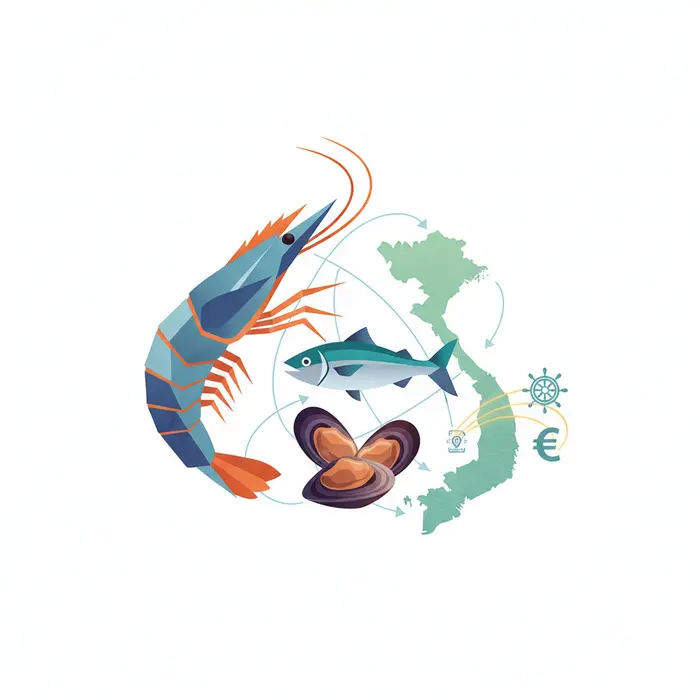
Vietnam has firmly established itself as a global powerhouse in the seafood industry, emerging as one of the world’s leading exporters. Its journey from a primarily agrarian economy to a major player in aquaculture and seafood processing is a testament to its strategic investment, abundant natural resources, and adaptability. This vibrant sector not only fuels Vietnam’s economic growth but also plays a crucial role in meeting the global demand for diverse and high-quality seafood products. From a vast network of artisanal fishers to state-of-the-art processing plants, the nation’s commitment to excellence has positioned it prominently on the international stage. This overview will delve into Vietnam’s significant role, examine current market trends, identify key growth drivers, and cast an eye towards the future outlook for 2025, particularly highlighting opportunities for Vietnam Frozen Seafood Suppliers.
1.
Why Vietnam is a Key Player in Global Seafood Trade
Vietnam’s strategic location, with its extensive coastline and intricate river systems, provides an ideal environment for both marine and freshwater aquaculture. This geographical advantage, combined with a climate conducive to rapid aquatic growth, underpins its robust seafood production. Beyond raw resources, Vietnam boasts a highly skilled and cost-effective workforce, propelling its processing capabilities to world-class standards. The nation has invested heavily in modern processing technologies, ensuring that products meet stringent international quality and safety benchmarks. Furthermore, the Vietnamese government has actively supported the seafood sector through favorable policies, infrastructure development, and promotion of sustainable farming practices. This comprehensive approach has allowed Vietnamese firms to consistently deliver high-quality seafood exports to discerning markets worldwide. For businesses looking to procure wholesale Vietnamese seafood, the reliability and diversity of supply make Vietnam an undeniable top choice.
2.
Market Trends and Growth Projections for 2025
The global seafood market continues to evolve, and Vietnam is adept at adapting to these shifts. A prominent trend is the increasing demand for frozen and value-added seafood products, driven by consumer convenience and longer shelf-life requirements. Vietnamese processors have responded by expanding their capabilities in filleting, breading, and ready-to-cook meal preparations. Sustainability and traceability are also paramount, with international buyers increasingly prioritizing ethically sourced and environmentally responsible products. Vietnam’s commitment to certifications like ASC and BAP strengthens its position in these conscious markets. Looking towards 2025, the market is projected to see continued growth, fueled by rising global population and increased per capita seafood consumption. Innovations in aquaculture, particularly in disease prevention and feed efficiency, are expected to further boost production. For importers looking to import seafood from Vietnam, the outlook is positive, with consistent supply and an expanding range of high-quality products. The shift towards e-commerce and direct sourcing platforms is also creating new avenues for trade, streamlining the process for international buyers.
3.
Key Export Products and Target Markets
Vietnam’s seafood export basket is remarkably diverse, but a few products stand out as primary contributors. Shrimp, particularly black tiger and whiteleg shrimp, consistently ranks as the top export commodity, renowned for its quality and wide range of processed forms. The Mekong Delta is a vital hub for shrimp farming, driving significant volumes. Another flagship product is Pangasius (catfish), for which Vietnam is the world’s largest producer and exporter. Vietnamese pangasius exporters have successfully overcome trade barriers and market perceptions through quality improvements and sustainable farming certifications. Beyond these, tuna, squid, octopus, and various marine fish also contribute significantly to the export revenue. The primary target markets for Vietnamese seafood are the United States, the European Union, Japan, and China. These markets value Vietnam’s competitive pricing, consistent quality, and adherence to international food safety standards. Emerging markets in Southeast Asia and the Middle East are also showing increasing potential, broadening the reach of Shrimp suppliers Vietnam and other seafood producers.
In conclusion, Vietnam’s seafood export market is a dynamic and essential component of the global food supply chain. Driven by robust aquaculture, advanced processing capabilities, government support, and a keen eye on market trends, the nation is set to maintain its leading position. The outlook for 2025 remains exceptionally promising, with continued growth expected across key product categories and target markets. Vietnam’s commitment to sustainability and quality ensures that it will remain a preferred source for global seafood buyers.
Identifying Top Vietnam Frozen Seafood Suppliers
When looking to import seafood from Vietnam, identifying top-tier Vietnam frozen seafood suppliers is paramount for ensuring product quality, consistent supply, and regulatory compliance. Vietnam has cemented its position as a global leader in seafood exports, particularly for aquaculture products like Pangasius and shrimp. However, navigating the market requires a strategic approach to vetting potential partners. This guide will help you understand the essential criteria, certifications, and methods to secure reliable wholesale Vietnamese seafood suppliers.
1. Criteria for Vetting and Selecting Suppliers
Selecting the right Vietnam frozen seafood suppliers goes beyond simply comparing prices. A thorough vetting process is crucial. Firstly, assess their production capacity and infrastructure. Can they consistently meet your order volumes without compromising quality? Look for modern processing facilities, advanced freezing technologies (IQF – Individual Quick Freezing is often preferred), and adequate cold storage. Secondly, experience and reputation within the industry are vital. Suppliers with a long history of successful international trade are more likely to understand export logistics, documentation, and various market requirements. Request references from previous international clients if possible.
Quality control (QC) procedures must be stringent. Inquire about their internal QC protocols at every stage, from raw material sourcing and processing to packaging and shipping. This includes microbiological testing, sensory evaluations, and metal detection. Traceability is another non-negotiable factor; a reputable supplier should be able to trace their products back to the farm or fishing grounds, ensuring transparency and accountability. Finally, consider their communication and responsiveness. Effective communication is essential for smooth transactions, especially when dealing with international logistics and potential issues. A supplier that is transparent, proactive, and responsive to inquiries will be a more reliable long-term partner for your wholesale Vietnamese seafood needs.
2. Essential Certifications and Quality Standards (e.g., HACCP, BAP)
For any business looking to import seafood from Vietnam, understanding and verifying the supplier’s adherence to international certifications and quality standards is critical. These certifications serve as proof of commitment to food safety, sustainability, and ethical practices.
- HACCP (Hazard Analysis and Critical Control Points): This is a globally recognized food safety management system that identifies, evaluates, and controls hazards significant to food safety. All reputable Vietnam frozen seafood suppliers exporting to developed markets should possess HACCP certification. For an in-depth understanding of this crucial standard, you can refer to resources on HACCP Principles from the FDA.
- BAP (Best Aquaculture Practices): Developed by the Global Aquaculture Alliance (GAA), BAP certification addresses environmental responsibility, social accountability, food safety, and animal welfare at aquaculture facilities. It’s particularly important for farmed species like Pangasius and shrimp.
- ASC (Aquaculture Stewardship Council): Similar to BAP, ASC certification signifies environmentally and socially responsible aquaculture, focusing on minimizing ecological impact and promoting fair labor practices.
- GlobalG.A.P.: This standard covers food safety, environmental sustainability, and worker welfare on farms.
- EU Approval (DL Code): Suppliers exporting to the European Union must have an authorized “DL” code issued by the Vietnamese National Agro-Forestry-Fisheries Quality Control Department (NAFIQAD), indicating compliance with strict EU import regulations.
Always request copies of these certifications and verify their validity. These standards ensure that the wholesale Vietnamese seafood you receive meets stringent international requirements.
3. Finding Reputable Vietnamese Pangasius Exporters
Pangasius, often marketed as Basa or Swai, is one of Vietnam’s most significant aquaculture exports. Finding reliable Vietnamese pangasius exporters requires a focused approach. Look for suppliers specializing in Pangasius, as they will have established farms, dedicated processing lines, and expertise in handling this particular species. Key products often include frozen Pangasius fillets (skinless, boneless, various trims), whole round, or steaks.
Beyond the general criteria, specific considerations for Pangasius include the feed quality used in farming, water management practices, and antibiotic usage monitoring. Reputable Vietnamese pangasius exporters will readily provide information on these aspects, ensuring consumer safety and product integrity. Many leading shrimp suppliers Vietnam also diversify into Pangasius, offering a broader product portfolio. When evaluating, inquire about their specific experience and certifications for Pangasius, such as GlobalG.A.P. or ASC certification for the farms where the fish are raised. Engaging with verified platforms like vietnamsuppliers.com can also help connect you with pre-vetted Vietnam frozen seafood suppliers, simplifying your search for reliable Vietnamese pangasius exporters and other frozen seafood products.
Spotlight on Key Vietnamese Seafood Products
Vietnam has firmly established itself as a global powerhouse in the frozen seafood industry, renowned for its diverse aquatic resources, advanced processing capabilities, and commitment to export quality. For businesses looking to import seafood from Vietnam, understanding the most popular products and their market appeal is crucial. The country’s strategic coastal location and extensive aquaculture infrastructure make it a premier destination for Vietnam Frozen Seafood Suppliers, offering a comprehensive range of species to meet international demand. From the ubiquitous pangasius to premium shrimp varieties and an array of other significant catches, Vietnamese seafood continues to impress with its consistency, value, and readiness for global distribution. This section provides an in-depth look at the leading frozen seafood products making waves in the international market, highlighting why wholesale Vietnamese seafood is a smart choice for importers worldwide.

1. The Dominance of Vietnamese Pangasius (Basa Fish)
Perhaps no other fish embodies Vietnam’s aquaculture success more than Pangasius, commonly known as Basa fish. This freshwater catfish species has surged in popularity worldwide due to its mild flavor, boneless white flesh, and exceptional versatility in cooking. Vietnamese Pangasius is primarily farmed in the Mekong Delta, where vast networks of rivers and canals provide ideal conditions for its cultivation. Its rapid growth rate, efficient feed conversion, and cost-effective production have made it an incredibly affordable and sustainable protein source, appealing to a broad consumer base across continents. Vietnamese pangasius exporters rigorously adhere to international quality and safety standards, including HACCP, BAP, and ASC certifications, ensuring a premium product that meets discerning market requirements. This commitment to quality and traceability strengthens its market position, making it a staple for many global distributors and a cornerstone of the country’s frozen seafood exports. For more insights into the global aquaculture market, including Pangasius production, authoritative sources like the FAO (Food and Agriculture Organization) provide comprehensive data and analysis.
2. Shrimp Suppliers Vietnam: Varieties, Sourcing, and Export Potential
Following Pangasius, shrimp stands as another colossal export for Vietnam, with the country being one of the world’s leading shrimp suppliers Vietnam. The nation excels in farming and exporting several high-demand varieties, notably Vannamei (whiteleg shrimp) and Black Tiger shrimp. Vannamei shrimp, celebrated for its sweet taste and firm texture, dominates production due to its adaptability to various farming conditions and fast growth. Black Tiger shrimp, larger and more visually striking, maintains its premium status for gourmet markets. Vietnamese shrimp production benefits from a blend of traditional extensive farming and modern intensive and semi-intensive methods, often incorporating sustainable practices to minimize environmental impact. The processing plants are equipped with state-of-the-art freezing technology, producing a range of value-added products such as peeled, deveined, cooked, and breaded shrimp, catering to diverse culinary needs. Strict quality control, from pond to plate, ensures that all exported shrimp meets stringent international standards, appealing greatly to businesses seeking to import seafood from Vietnam. The robust infrastructure and expertise make Vietnam an indispensable source for consistent, high-quality frozen shrimp products.
3. Other Notable Frozen Seafood Exports from Vietnam
While Pangasius and shrimp lead the charge, Vietnam’s frozen seafood portfolio is far richer and more diverse. The country also exports a significant volume of other marine and freshwater species, reinforcing its position among top Vietnam Frozen Seafood Suppliers. Prominent among these are various types of tuna, including Yellowfin and Skipjack, processed into loins, steaks, and saku blocks for sashimi-grade markets. Squid and octopus are also key exports, often sold whole, as tubes, or in various processed forms, valued for their texture and culinary versatility in Mediterranean and Asian cuisines. Other significant frozen exports include various types of marine fish such as Red snapper, Mahi-mahi, Barramundi, and cuttlefish. The Vietnamese seafood industry continually invests in sustainable fishing practices and advanced processing techniques for these species, ensuring responsible sourcing and high-quality end products. This broad spectrum of offerings allows importers to source a wide array of frozen seafood from a single, reliable country, making wholesale Vietnamese seafood an attractive proposition for global distribution networks looking for variety and quality.
Navigating Import Regulations and Logistics
For businesses looking to expand their product offerings with high-quality seafood, Vietnam presents a compelling origin. Its rich aquaculture and fishing industries offer a diverse range of products, from succulent shrimp to versatile pangasius. However, successfully importing seafood from Vietnam requires a thorough understanding of international trade regulations, meticulous documentation, and robust logistical planning. This section provides essential information to help businesses efficiently source from Vietnam Frozen Seafood Suppliers, ensuring compliance and product integrity from the point of origin to your market.
1. Import Seafood from Vietnam: Legal and Customs Requirements
Navigating the legal and customs landscape is the foundational step for any business planning to import seafood from Vietnam. International trade is governed by a complex web of regulations that dictate what can be imported, in what quantity, and under which conditions. Key considerations include:
- Trade Agreements & Tariffs: Understand any free trade agreements (FTAs) between your country and Vietnam, which could reduce or eliminate import duties. Research applicable tariffs and quotas for specific seafood products like shrimp or pangasius.
- Food Safety Standards: Adherence to the food safety standards of the importing country is paramount. For instance, the United States requires imports to comply with FDA regulations, often necessitating a prior notice and adherence to HACCP (Hazard Analysis and Critical Control Points) principles. The European Union has its own stringent health and hygiene standards, including approved establishments and specific health certificates. Many Vietnamese pangasius exporters and shrimp suppliers Vietnam are well-versed in these international standards.
- Permits and Licenses: Depending on the product and destination, specific import permits or licenses may be required. Some species might be subject to CITES (Convention on International Trade in Endangered Species of Wild Fauna and Flora) regulations, although this is less common for farmed seafood.
- Customs Clearance: Be prepared for customs inspections, declarations, and the payment of any applicable import duties and taxes. Working with an experienced customs broker is highly advisable to streamline this process and avoid costly delays. For comprehensive guidance on importing food products into the United States, the FDA provides a detailed resource outlining the necessary steps and compliance requirements.
2. Ensuring Cold Chain Integrity from Farm to Market
The quality and safety of frozen seafood are intrinsically linked to the integrity of its cold chain. Maintaining consistent low temperatures from the moment the seafood is harvested until it reaches the end consumer is critical to prevent bacterial growth, preserve texture, flavor, and extend shelf life. For wholesale Vietnamese seafood, this process is meticulously managed across several stages:
- Harvesting and Initial Processing: Rapid chilling or freezing immediately after harvest is essential. Many Vietnamese suppliers utilize on-site processing facilities equipped with individually quick frozen (IQF) technology to lock in freshness.
- Processing and Packaging: Seafood is processed, graded, and packaged in temperature-controlled environments. Packaging materials are chosen to provide insulation and protection against physical damage.
- Storage: Products are stored in large-scale cold storage facilities at optimal freezing temperatures (typically -18°C or lower) before shipment.
- Transportation to Port: Refrigerated trucks or containers transport the frozen seafood from the processing plant to the port of departure.
- Ocean/Air Freight: For international shipping, specialized refrigerated containers (reefers) are used. These containers maintain precise temperature settings throughout the voyage, often equipped with monitoring systems to track conditions. For high-value or time-sensitive shipments, air freight in temperature-controlled cargo holds is also an option.
- Destination Logistics: Upon arrival, the cold chain must be maintained through customs clearance, onward transportation via refrigerated trucks, and storage in appropriate facilities until distribution to retailers or food service providers. Establishing clear protocols and regular audits of the cold chain process with your Vietnam Frozen Seafood Suppliers is crucial for minimizing risks and ensuring product quality.
3. Documentation and Shipping Procedures
Accurate and complete documentation is the backbone of smooth international seafood trade, essential for customs clearance, financing, and traceability. Preparing and managing these documents efficiently is vital for businesses engaging with Vietnamese pangasius exporters and shrimp suppliers Vietnam:
- Bill of Lading (B/L): A crucial transport document issued by the carrier, serving as a contract of carriage, a receipt for goods, and a document of title.
- Commercial Invoice: Details the goods being sold, including quantity, price, and terms of sale. Used for customs valuation.
- Packing List: Provides an itemized list of the contents of each package, detailing weight, dimensions, and type of packaging.
- Certificate of Origin: States where the goods were produced, often necessary for determining duties and tariffs under trade agreements.
- Health Certificate: Issued by the competent authority in Vietnam (e.g., NAFIQAD) certifying that the seafood meets the health and sanitary standards of the importing country. This is arguably the most critical document for seafood imports.
- Catch Certificate: Important for traceability, proving that the seafood was caught legally and in accordance with sustainable fishing practices, particularly relevant for wild-caught species.
- Insurance Certificate: While optional, marine cargo insurance is highly recommended to protect against loss or damage during transit.
- Shipping Procedures: Selecting the right freight forwarder with expertise in refrigerated cargo is paramount. They will assist in booking shipping space, preparing export declarations, and managing the logistical flow. Most wholesale Vietnamese seafood is transported via sea freight in reefer containers, a cost-effective solution for bulk volumes. Clear communication and meticulous attention to detail at every stage of the shipping process will prevent delays and ensure a timely delivery.
Successfully navigating the import regulations and logistics for Vietnamese seafood demands careful planning, adherence to international standards, and strong partnerships with reliable suppliers and logistics providers. By mastering these elements, businesses can confidently leverage Vietnam’s vast seafood resources to meet global market demands.
Building Successful Partnerships with Vietnamese Suppliers
Forging strong, enduring relationships with Vietnamese frozen seafood suppliers is paramount for businesses seeking high-quality, reliable sourcing in the global market. Vietnam has emerged as a powerhouse in the seafood industry, offering a diverse range of products from shrimp to pangasius. However, success hinges not merely on transactional exchanges but on fostering long-term, mutually beneficial partnerships. This section outlines key strategies for achieving this, emphasizing effective communication, cultural understanding, and robust risk management to ensure a stable and prosperous supply chain.

1. Best Practices for Communication and Negotiation
Effective communication forms the bedrock of any successful international partnership. When dealing with Wholesale Vietnamese seafood suppliers, it’s crucial to adopt a clear, consistent, and patient approach. English is widely used in business, but misunderstandings can still arise due to nuances in expression and cultural differences. Vietnamese business culture often values indirect communication and building rapport, so a direct, overly aggressive negotiation style might be counterproductive. Prioritize building personal relationships through regular check-ins, even outside of immediate transactional needs. Email communication should be precise, detailing specifications, quantities, and delivery schedules to avoid ambiguity. Whenever possible, face-to-face meetings, especially early in the relationship, can significantly strengthen trust and understanding, fostering a collaborative environment. Transparency about your needs and market demands will be reciprocated, leading to more flexible and adaptive partnerships. Remember, negotiation in Vietnam is often a process of give-and-take aimed at mutual benefit rather than pure concession. Understanding these dynamics is vital for securing favorable and sustainable terms.
2. Understanding Contractual Agreements and Payment Terms
Robust contractual agreements are essential to protect both parties and clarify expectations. When looking to Import seafood from Vietnam, ensure all specifications—product type, grade, processing method, packaging, labeling, volume, and delivery timelines—are meticulously detailed. Quality control clauses, including provisions for pre-shipment inspections by independent third parties, should be clearly outlined. Force majeure clauses are also critical to address unforeseen circumstances. Payment terms are another critical area. Common methods include Letters of Credit (L/C) and Telegraphic Transfers (T/T). While L/Cs offer higher security, they can be more complex. T/T payments, often involving an upfront deposit and the balance upon shipment, are more common for established relationships. Thoroughly discuss and agree upon these terms, considering the financial implications and risk tolerance. Engaging legal counsel familiar with international trade law and Vietnamese regulations can prevent future disputes. This is particularly important when dealing with specialized products like those from Vietnamese pangasius exporters, where specific certifications and traceability requirements might apply.
3. Mitigating Risks and Ensuring Supply Chain Stability
The global seafood trade inherently involves risks, from quality inconsistencies to logistical challenges and market volatility. Proactive risk management is key to maintaining a stable supply chain with Shrimp suppliers Vietnam or any other product. Implement stringent quality control measures, which may include establishing your own inspection protocols or engaging reputable third-party inspection services at various stages. Diversifying your supplier base, while maintaining strong relationships with primary partners, can provide a buffer against unforeseen disruptions. Effective logistics and cold chain management are paramount for frozen seafood; regularly audit your supplier’s handling, storage, and transportation methods. Stay informed about relevant international trade regulations, certifications (e.g., HACCP, ASC, BAP, GlobalGAP), and local Vietnamese policies. Regularly review market trends and pricing fluctuations to anticipate potential challenges. By fostering open communication and transparency with your suppliers, you can collectively develop contingency plans, ensuring resilience and continuity in your supply chain. Understanding the broader Vietnamese seafood industry insights can also help in strategic planning and risk assessment.
Partner with Vietnam’s Leading Suppliers
Looking for reliable suppliers in Vietnam? Contact VietnamSuppliers.com today to connect with verified manufacturers and exporters across all industries.
—————————————
References
– FAO – Fishery and Aquaculture Country Profile: The Socialist Republic of Viet Nam: https://www.fao.org/fishery/en/countrysector/vietnam/en
– HACCP Principles from the FDA: https://www.fda.gov/food/hazard-analysis-critical-control-point-haccp/haccp-principles
– FAO Aquaculture Information: https://www.fao.org/fishery/en/aquaculture
– Importing Food Products into the United States – Start to Finish: https://www.fda.gov/food/importing-food-products-united-states/importing-food-products-united-states-start-finish
– Vietnamese seafood industry insights: https://www.vasep.com.vn/