
Setting the Stage: Why SME Global Expansion Matters in 2025
The global economic landscape in 2025 presents both unprecedented challenges and unparalleled opportunities. For small and medium-sized enterprises (SMEs), clinging solely to domestic markets is no longer a viable path for sustainable growth. Instead, a proactive SME global export growth strategy has become an imperative, not just a luxury. With shifting geopolitical dynamics, evolving consumer demands, and the accelerating pace of digital transformation, SMEs must look beyond their borders to tap into new revenue streams, diversify risks, and build long-term resilience.

This section explores the critical factors making international expansion a necessity for SMEs, examining the current global trade environment, identifying emerging opportunities, and highlighting the power of digital platforms in facilitating this crucial leap.
1. The Shifting Global Trade Landscape & Emerging Markets
The dawn of 2025 sees a remarkably dynamic global trade environment. Geopolitical realignments, the re-evaluation of supply chains, and the pursuit of trade resilience have redefined traditional market access. Protectionism in some established economies coexists with burgeoning free trade agreements in others, creating a complex but navigable web for international commerce. Crucially, emerging markets are no longer just manufacturing hubs; they are rapidly becoming significant consumer markets with growing middle classes and increasing purchasing power. Regions like Southeast Asia, Latin America, and parts of Africa are demonstrating robust economic growth, presenting fertile ground for global competitiveness for MSMEs.
For SMEs, understanding these shifts means identifying new demand centers and adapting their strategies to local nuances. Diversifying export markets, rather than over-relying on one or two major destinations, is key to mitigating risks associated with economic downturns or policy changes in specific regions. This strategic foresight is fundamental to any robust SME global export growth strategy.
2. Untapped Opportunities for Small & Medium Enterprises
While large corporations often dominate headlines in international trade, SMEs possess inherent advantages that make them uniquely positioned to capitalize on specific global opportunities. Their agility allows for quicker adaptation to market changes, and their often niche product offerings can find less saturated demand in specialized global segments. This opens up significant avenues for international market entry for manufacturers who can offer specialized components, sustainable products, or innovative solutions.
We’re seeing countless export market diversification success stories from SMEs that have focused on specific countries with unmet needs or a strong affinity for quality and innovation. For instance, the demand for high-quality, ethically sourced goods continues to surge globally. Moreover, specific regions offer distinct advantages; for businesses seeking efficient and high-quality production partnerships, Vietnam export sourcing B2B opportunities are particularly attractive, given the country’s growing manufacturing capabilities and favorable trade agreements. These niche focuses allow SMEs to build strong footholds without directly competing with multinational giants.
3. Leveraging Digital Platforms for Global Reach
Perhaps the most significant equalizer for SMEs entering the global arena is the proliferation of digital platforms. The internet has dramatically lowered the barriers to international trade, making it possible for even the smallest enterprises to reach customers and partners across continents. E-commerce marketplaces, B2B platforms, and sophisticated digital marketing tools enable SMEs to showcase their products, process international transactions, and manage logistics with unprecedented ease and affordability.
Digital channels facilitate direct-to-consumer sales, but also foster critical global trade partnership opportunities. SMEs can connect with international distributors, find sourcing partners, and even form strategic alliances through online B2B networks and virtual trade shows. Social media and targeted online advertising allow for precise market penetration, enabling SMEs to test demand, gather feedback, and build brand recognition in new territories without the prohibitive costs associated with traditional market entry strategies. In 2025, a digitally savvy approach is not just an advantage; it’s a fundamental component of any successful SME global export growth strategy, transforming what was once a daunting prospect into an achievable reality for ambitious businesses worldwide.
Strategic International Market Entry for Manufacturers
For manufacturers looking beyond domestic borders, strategic international market entry isn’t just an option—it’s often a critical pathway to sustainable growth and resilience. The global marketplace offers immense opportunities, from expanded customer bases to diversified revenue streams. However, successful international market entry for manufacturers demands a meticulously planned approach that navigates complex market dynamics, regulatory landscapes, and logistical challenges. This section delves into practical strategies for businesses, particularly focusing on the SME global export growth strategy, to effectively identify, assess, and penetrate new international markets.
1. Identifying High-Potential Markets for Manufacturing Exports
The first step in any successful international expansion is identifying markets that offer the most promising growth prospects for your specific manufactured products. This involves a comprehensive analysis far beyond superficial economic indicators. Manufacturers must conduct in-depth market research to understand local demand, competitive intensity, consumer preferences, and purchasing power. Factors such as a country’s political stability, cultural compatibility, and existing trade agreements play a crucial role. Leveraging comprehensive market analysis tools, trade statistics, and industry reports can reveal emerging trends and underserved niches. For example, growing economies like Vietnam might present significant opportunities not only for direct sales but also for Vietnam export sourcing B2B, illustrating a dual potential for market engagement. Focusing on regions with robust infrastructure and a growing middle class, while aligning with product-market fit, is key to uncovering genuine export market diversification success stories.
2. Navigating Regulatory Frameworks and Compliance
Entering a new international market means stepping into a new regulatory environment, which can be vastly different from domestic operations. Manufacturers must meticulously understand and comply with a myriad of local laws, including tariffs, non-tariff barriers, import quotas, and product-specific regulations. These can range from safety standards (e.g., CE marking in Europe, UL certification in the US) to environmental compliance, labeling requirements, and intellectual property protection laws. Failure to adhere to these frameworks can lead to significant fines, product recalls, or even outright market exclusion. Engaging local legal counsel, customs brokers, and trade consultants early in the process is invaluable. They can provide essential guidance on compliance requirements, assist with necessary certifications, and help interpret complex legislation. This proactive approach minimizes risks and ensures a smooth entry for international market entry for manufacturers.
3. Optimizing Supply Chains for New Territories
An efficient and resilient supply chain is the backbone of any successful international manufacturing export strategy. Expanding into new territories necessitates a thorough review and often a re-optimization of existing logistics and sourcing strategies. This involves evaluating various shipping methods (sea, air, rail) based on cost, speed, and product characteristics, as well as establishing reliable warehousing and distribution networks within the target market. Manufacturers must also consider local vs. global sourcing of raw materials and components, assessing potential cost savings against quality control and lead time risks. Building strong global trade partnership opportunities with local distributors, logistics providers, and even manufacturers can significantly enhance market penetration and operational efficiency. Furthermore, risk mitigation strategies, addressing potential disruptions from geopolitical events, natural disasters, or transportation issues, are paramount to maintaining supply chain continuity and ensuring customer satisfaction in new export markets.
Successfully navigating the complexities of global expansion requires a holistic strategy encompassing rigorous market identification, stringent regulatory compliance, and a robust, adaptable supply chain. For manufacturers, a well-executed SME global export growth strategy is not just about exporting products, but about building lasting international presence and fostering long-term growth.
Export Market Diversification Success Stories & Best Practices
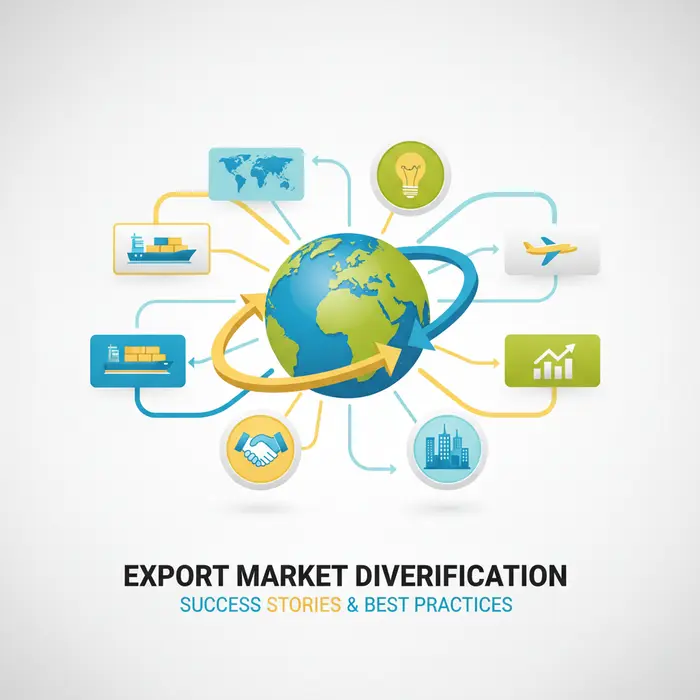
In today’s dynamic global economy, relying on a single export market can expose Small and Medium-sized Enterprises (SMEs) to significant risks, from economic downturns to political shifts. A robust SME global export growth strategy increasingly hinges on diversification – expanding into multiple international markets to build resilience and unlock new opportunities. This section showcases real-world examples of SMEs that have successfully navigated the complexities of international trade to diversify their export markets, highlighting key strategies, lessons learned, and how they built enduring resilience.
1. Case Studies: SMEs Thriving in Diverse Markets
Many Export market diversification success stories stem from a proactive approach to understanding and penetrating new territories. Consider ‘Vinawear Textiles,’ a mid-sized apparel manufacturer from Vietnam. Initially, Vinawear relied heavily on a single major market in North America. When trade tensions and shifting consumer trends impacted their sales there, they recognized the urgent need for diversification. Their strategy involved: (1) Targeted market research to identify emerging economies in Southeast Asia and niche high-end markets in Europe; (2) Product adaptation, where they developed sustainable and organic lines for European buyers while focusing on competitive pricing for Southeast Asian distributors; and (3) Leveraging digital B2B platforms for Vietnam export sourcing B2B, which connected them with new buyers without significant upfront travel costs. This multi-pronged approach enabled them to recover and surpass previous revenue levels, demonstrating successful International market entry for manufacturers.
Another excellent example is ‘AquaTech Innovations,’ a European manufacturer of specialized water purification systems. Recognizing the saturation in their home market, AquaTech adopted a strategy of identifying regions with pressing water quality challenges. They forged Global trade partnership opportunities with local distributors and engineering firms in Sub-Saharan Africa and Latin America, adapting their technology to suit local conditions and regulatory frameworks. Their success lay in comprehensive local engagement and building trust, rather than just selling products remotely.
2. Risk Mitigation Through Market Diversification
The primary benefit of market diversification is its ability to mitigate risks. By spreading their sales across multiple countries, SMEs reduce their vulnerability to economic downturns, political instability, or specific market shocks in any single region. If one market experiences a recession or new trade barriers, other markets can help cushion the impact, ensuring business continuity and stability. This strategy is critical for long-term growth and survival. For instance, an SME exporting exclusively to a market that suddenly imposes high tariffs could face severe financial strain. However, an SME with a diversified portfolio can absorb such shocks more effectively, reallocating resources and focusing on other viable markets. Understanding global trade dynamics and proactively seeking out new markets is a proven way to insulate businesses from unforeseen challenges. The International Trade Centre (ITC) highlights how export diversification strategies are crucial for building economic resilience, especially for developing economies and their SMEs.
3. Building Resilient Global Export Strategies
Building a truly resilient SME global export growth strategy requires more than just identifying new markets; it demands a systematic and adaptive approach. Key practices include:
- Thorough Market Research: Beyond basic demographics, understanding cultural nuances, regulatory environments, consumer preferences, and competitive landscapes is crucial for successful International market entry for manufacturers.
- Product Adaptation & Innovation: Readiness to modify products or services to meet specific market demands, sometimes requiring significant innovation.
- Digital Transformation: Leveraging e-commerce platforms, B2B marketplaces, and digital marketing to reach global buyers efficiently and cost-effectively, facilitating Vietnam export sourcing B2B and other international connections.
- Strong Partnership Building: Collaborating with local agents, distributors, or joint venture partners can provide invaluable market insights and logistical support. These Global trade partnership opportunities are often the bedrock of long-term success.
- Financial Prudence & Risk Management: Understanding currency fluctuations, payment terms, and trade finance options across different markets.
- Continuous Learning and Adaptation: The global trade landscape is constantly evolving. SMEs must remain agile, monitor global trends, and be prepared to pivot their strategies as needed.
By embedding these practices, SMEs can transform market diversification from a reactive measure into a proactive engine for sustainable growth, ensuring their longevity and profitability in the competitive international arena.
In the dynamic landscape of global trade, Vietnam has rapidly emerged as a powerhouse for export sourcing, presenting unparalleled SME global export growth strategy opportunities for businesses worldwide. As companies increasingly seek resilient supply chains and diversified manufacturing bases, Vietnam offers a compelling proposition. This section delves into why Vietnam is becoming a preferred B2B sourcing destination, offering insights into its strategic advantages, the nuances of navigating its business culture, and practical considerations for successful logistics, quality control, and compliance. For manufacturers looking at international market entry for manufacturers or those pursuing export market diversification success stories, understanding Vietnam’s unique ecosystem is paramount.
1. Why Vietnam is a Strategic Sourcing Destination
Vietnam’s rise as a global manufacturing hub is no accident. The nation boasts a confluence of factors that make it an attractive strategic sourcing destination. Firstly, its robust economic growth and political stability provide a secure environment for long-term investments and partnerships. Secondly, a young, adaptable, and increasingly skilled workforce offers competitive labor costs compared to more established manufacturing centers. This demographic advantage, combined with a pro-business government stance, actively encourages foreign direct investment (FDI) and export-oriented industries. Furthermore, Vietnam has strategically positioned itself within the global trade network by signing numerous free trade agreements (FTAs), including the Comprehensive and Progressive Agreement for Trans-Pacific Partnership (CPTPP) and the EU-Vietnam Free Trade Agreement (EVFTA). These agreements reduce tariffs and streamline trade, making Vietnamese exports more competitive and accessible to international markets. For businesses adopting a “China+1” strategy, Vietnam offers a viable and high-quality alternative, helping mitigate geopolitical risks and supply chain dependencies. Vietnam’s impressive economic growth and export prowess underscore its potential as a pivotal player in global supply chains, presenting significant opportunities for global trade partnership opportunities across various sectors from textiles and electronics to furniture and agro-products.
2. Navigating B2B Relationships and Culture in Vietnam
Successful Vietnam export sourcing B2B hinges not just on economic factors but also on cultural understanding and the ability to build strong relationships. Vietnamese business culture places a high value on trust, respect, and long-term commitment, often influenced by Confucian principles. Unlike some Western cultures that prioritize direct communication, Vietnamese interactions can be more indirect, emphasizing harmony and saving face. Patience is a virtue; rushing negotiations or decisions can be counterproductive. Building rapport through regular visits, showing genuine interest in your partners’ business and personal well-being, and respecting hierarchy are crucial steps. The role of local intermediaries or consultants familiar with the cultural landscape and business practices can be invaluable in bridging communication gaps and facilitating smoother transactions. Demonstrating commitment to ethical practices and mutual benefit will strengthen relationships, leading to more sustainable and productive global trade partnership opportunities. Understanding and adapting to these cultural nuances are essential for fostering strong, reliable, and mutually beneficial partnerships that drive success in the Vietnamese market.
3. Logistics, Quality Control, and Compliance for Vietnam Exports
Effective logistics, stringent quality control, and adherence to international compliance standards are critical pillars for successful export operations from Vietnam. The Vietnamese government has invested heavily in modernizing its infrastructure, including expanding major ports (like Cai Mep-Thi Vai and Hai Phong), improving road networks, and upgrading airports, which significantly enhances supply chain efficiency. When engaging in export sourcing, it’s vital to establish clear logistical frameworks, whether working directly with shipping lines or through freight forwarders. For quality control, relying solely on factory self-inspections can be risky. Implementing independent third-party inspection services at various stages—from raw material checks to in-process production and pre-shipment inspections—is highly recommended to ensure products meet specified quality standards and regulatory requirements. Furthermore, understanding and complying with international trade regulations, product certifications (e.g., ISO, CE, FDA for relevant products), and specific import requirements of your target market is non-negotiable. Proper documentation, tariff codes, and customs procedures must be meticulously managed to avoid delays and penalties. Developing a comprehensive strategy that integrates these aspects is key to mitigating risks, ensuring product integrity, and facilitating a seamless export process, ultimately contributing to your SME global export growth strategy and long-term success in the competitive global market.
Forging Global Trade Partnership Opportunities for Growth
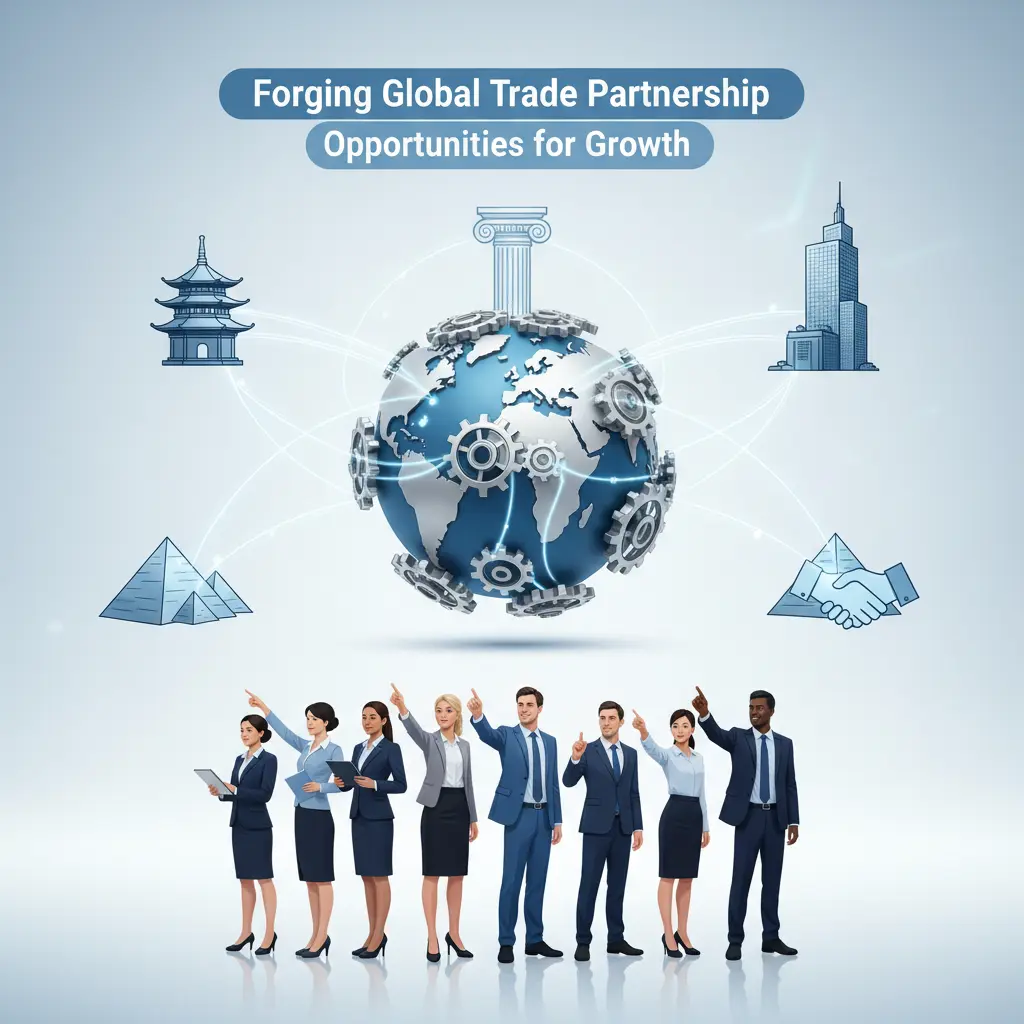
In today’s interconnected global economy, small and medium-sized enterprises (SMEs) are increasingly looking beyond domestic borders to unlock new revenue streams and achieve sustainable expansion. A robust SME global export growth strategy is no longer optional but essential for competitiveness. Strategic alliances, distributors, agents, and joint ventures are pivotal instruments in facilitating long-term global growth and significantly expanding market reach for these agile businesses. These partnerships provide invaluable local market insights, established distribution networks, and a de-risked pathway to international markets, transforming ambitious goals into tangible global trade partnership opportunities.
For manufacturers, navigating the complexities of international market entry for manufacturers can be daunting without local expertise. A well-chosen partner can bridge cultural gaps, handle regulatory hurdles, and provide immediate access to customer bases that would otherwise take years to cultivate. From appointing exclusive distributors in a specific region to forming strategic alliances for co-development, each type of partnership offers distinct advantages. These collaborative models are at the heart of many export market diversification success stories, enabling SMEs to spread risk and tap into multiple geographies simultaneously, bolstering their resilience against regional economic fluctuations. By carefully selecting and nurturing these relationships, SMEs can build a powerful ecosystem that propels their global aspirations.
1. Finding and Vetting Ideal International Partners
The success of any global expansion hinges critically on the selection of the right partners. This process requires meticulous research and due diligence. SMEs must first clearly define their objectives: Are they seeking market penetration, brand building, or pure distribution? Identifying partners whose values align with their own and who possess a strong understanding of the local market landscape is paramount. Resources such as trade associations, chambers of commerce, government export promotion agencies, and B2B platforms can be excellent starting points for identifying potential candidates. Once a shortlist is established, thorough vetting should include financial stability checks, reputation analysis, a review of their existing client portfolio, and an assessment of their technical capabilities and market reach. For instance, an ideal partner for Vietnam export sourcing B2B operations would have strong local connections, logistical prowess, and a clear understanding of regional supply chains and regulatory frameworks. Establishing direct communication, conducting site visits, and seeking references are indispensable steps in building trust and ensuring a compatible, productive relationship.
2. Structuring Mutually Beneficial Global Agreements
Once an ideal partner is identified, the next critical step is to formalize the relationship through a comprehensive and mutually beneficial agreement. This document serves as the blueprint for the partnership, outlining rights, responsibilities, performance expectations, and mechanisms for conflict resolution. Key elements of such agreements typically include product or service scope, geographical territories, pricing structures, payment terms, marketing responsibilities, intellectual property protection, and conditions for termination. For a successful SME global export growth strategy, clarity on sales targets, reporting requirements, and training support is crucial. It’s advisable to seek legal counsel specializing in international trade law to ensure compliance with local regulations and to safeguard the SME’s interests. A well-structured agreement should anticipate potential challenges and provide a clear framework for adaptation, fostering a long-term, resilient partnership that can weather market fluctuations and capitalize on new global trade partnership opportunities.
3. Leveraging Government Support & Trade Promotion Programs
Many governments worldwide recognize the vital role SMEs play in economic growth and job creation, and as such, offer a wealth of support and promotion programs designed to facilitate their international expansion. SMEs should actively explore and leverage these resources to de-risk and accelerate their journey into global markets. These can include export credit insurance, grants for market research, subsidies for trade show participation, and assistance with understanding foreign regulatory requirements. Organizations like the International Trade Centre (ITC) provide valuable tools, training, and market intelligence specifically tailored for SMEs looking to export. National export-import banks often offer financing solutions to mitigate payment risks and provide working capital for export orders. Participating in government-led trade missions can also open doors to invaluable networking opportunities and direct engagement with potential partners. Proactive engagement with these support mechanisms can significantly reduce barriers to entry, improve competitiveness, and contribute substantially to an SME’s overall global export growth strategy.
Partner with Vietnam’s Leading Suppliers
Looking for reliable suppliers in Vietnam? Contact VietnamSuppliers.com today to connect with verified manufacturers and exporters across all industries.
—————————————
References
– Global competitiveness for MSMEs in the post-COVID-19 era: https://www.intracen.org/news/Global-competitiveness-for-MSMEs-in-the-post-COVID-19-era/
– International Trade Centre (ITC) Market Information: https://www.intracen.org/market-information/
– Export diversification a key to resilience | International Trade Centre: https://www.intracen.org/news/Export-diversification-a-key-to-resilience/
– World Bank Overview: Vietnam: https://www.worldbank.org/en/country/vietnam/overview
– International Trade Centre (ITC): https://www.intracen.org/

