
Why a Robust B2B Export Market Entry Strategy Matters
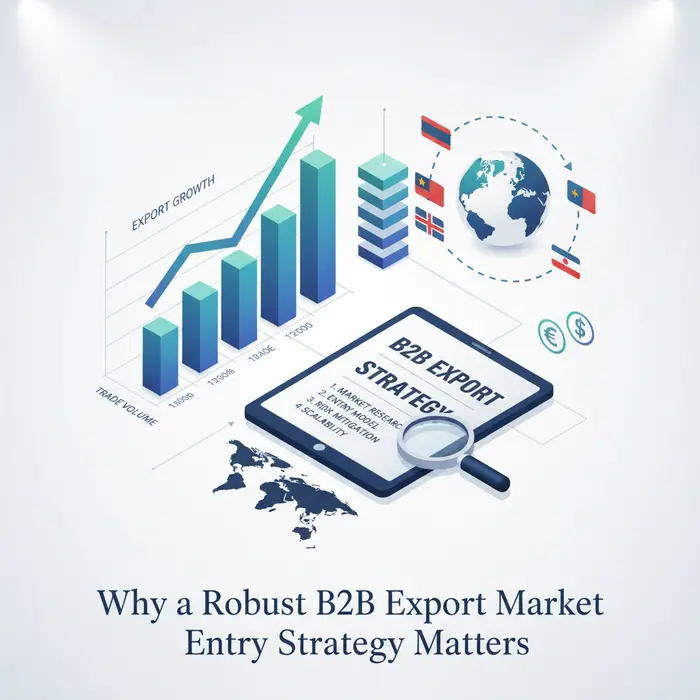
The global B2B export landscape is in constant flux, shaped by geopolitical shifts, technological advancements, and evolving consumer and business demands. For businesses eyeing international expansion in 2025 and beyond, a haphazard approach is no longer viable. Success hinges on a strategic, well-planned B2B Export Market Entry Strategy that accounts for the multifaceted challenges and opportunities of the modern international marketplace. This isn’t merely about finding buyers; it’s about building sustainable relationships, mitigating risks, and securing a competitive edge in an increasingly crowded global arena. From navigating complex regulatory frameworks to leveraging cutting-edge digital platforms, a thoughtful strategy is the cornerstone of profitable and enduring export ventures.
1. Identifying Global Market Opportunities
The first critical step in any robust B2B Export Market Entry Strategy is rigorous market research. Identifying the right global market opportunities requires a deep dive into macroeconomic indicators, industry trends, and specific demand drivers within potential target countries. Businesses must analyze competitive landscapes, assess market saturation, and understand local business cultures and preferences. Leveraging sophisticated data analytics and insights from Digital B2B export platforms can streamline this process, helping companies pinpoint high-potential markets where their products or services genuinely address an unmet need or offer a significant competitive advantage. This involves more than just identifying demand; it’s about understanding the nuances that will dictate market acceptance and long-term viability, ensuring that resources are directed towards the most promising avenues for growth.
2. Common Pitfalls in International Expansion
Even with promising opportunities, international expansion is fraught with potential pitfalls that can derail a B2B Export Market Entry Strategy if not carefully managed. These often include inadequate understanding of local market dynamics, underestimating logistical complexities, and failing to secure appropriate funding. A significant challenge lies in Navigating international trade regulations, which vary widely across borders and can include tariffs, non-tariff barriers, customs procedures, and product certification requirements. Financial missteps, such as poor currency risk management or insufficient capital, can also cripple an export initiative. Furthermore, selecting unreliable partners or failing to conduct a thorough International supplier vetting process can lead to reputational damage and supply chain disruptions. Many SMEs, in particular, struggle with accessing adequate funding, making robust SME export financing solutions a crucial component of their strategy. For comprehensive guidance on avoiding these common traps, businesses can refer to authoritative resources like the International Trade Centre’s insights on export readiness.
3. Setting the Stage for Sustainable Growth
A well-executed B2B Export Market Entry Strategy isn’t just about making the first sale; it’s about laying the groundwork for sustainable, long-term growth. This involves meticulous planning for ongoing operations, including efficient supply chain management, robust customer support, and continuous market adaptation. Building strong, trustworthy partnerships is paramount, necessitating a rigorous International supplier vetting process to ensure reliability and compliance. Businesses must also remain agile, prepared to adjust their strategies in response to evolving market conditions, regulatory changes, and competitive pressures. For SMEs, securing stable SME export financing solutions beyond initial capital is key to weathering market fluctuations and investing in future expansion. By focusing on building resilient operational frameworks, fostering strong relationships, and maintaining financial prudence, companies can transform initial market entries into enduring success stories, contributing significantly to their overall growth and global footprint.
Laying the Groundwork: Research & Planning for B2B Export
The journey into international markets for B2B companies is fraught with both immense opportunities and significant challenges. Success hinges not on luck, but on meticulous preparation and a well-articulated strategy. This deep dive into identifying the right international markets and crafting a robust B2B Export Market Entry Strategy is paramount for any business looking to expand its global footprint. Without a solid foundation of research and planning, even the most promising products or services can falter when faced with unfamiliar demand patterns, regulatory hurdles, or intense competition. Therefore, laying the groundwork through comprehensive analysis is not merely a step; it is the cornerstone of sustainable international growth.
Market Research: Demand, Competition, and Trends
Effective market research is the bedrock of any successful export initiative. It involves a systematic investigation into potential international markets to understand their viability for your specific B2B offering. Begin by assessing the demand for your product or service. Are there unmet needs, emerging industries, or specific niches your business can cater to? Look beyond superficial statistics; delve into local industry reports, economic indicators, and consumer behavior patterns (even in B2B, end-user trends can influence demand). Government trade agencies and international trade organizations provide invaluable data on market trends, import statistics, and sector-specific opportunities.
Simultaneously, a thorough competitive analysis is essential. Identify key local and international competitors operating within your target markets. Analyze their product offerings, pricing strategies, distribution channels, and unique selling propositions. What are their strengths and weaknesses? Where can your business differentiate itself and gain a competitive edge? Understanding market trends, such as technological advancements, sustainability shifts, or regulatory changes, is equally critical. Digital B2B export platforms can offer insights into popular product categories, search volumes, and competitor activity, helping to refine your understanding of market dynamics and potential entry points. This detailed intelligence informs whether a market is merely attractive or genuinely viable for your long-term B2B export goals.Developing Your Target Market Profile
Once initial market research indicates promising opportunities, the next step is to develop a precise target market profile. This involves narrowing down potential markets to those that align best with your business capabilities and strategic objectives. Consider factors such as market size, growth potential, political stability, economic climate, and cultural compatibility. For B2B exports, cultural nuances can significantly impact communication, negotiation, and business relationships. What are the prevailing business practices? Are there specific industry standards or certifications required?
Crucially, developing this profile also means understanding and navigating international trade regulations. Each country has its own unique set of import duties, tariffs, customs procedures, product standards, intellectual property laws, and trade agreements. Failing to account for these can lead to costly delays, fines, or even rejection of goods. You might also need to consider the "International supplier vetting process" if your export strategy involves local assembly or components. For instance, understanding local content requirements or specific certifications (e.g., ISO, CE, local equivalents) is vital. A robust target market profile doesn’t just identify who you want to sell to, but also clarifies the operational and compliance landscape you must successfully traverse.Crafting a Comprehensive Export Business Plan
With your market research complete and target profiles defined, the final and most critical step is to craft a comprehensive export business plan. This document serves as your roadmap, outlining every aspect of your international venture. It should detail your market entry strategy (e.g., direct export, indirect export, joint venture, licensing), specifying how you will penetrate the chosen market(s). Include an operational plan covering logistics, supply chain management, quality control, and after-sales support. This might also involve considerations for an efficient International supplier vetting process if you’re establishing local partnerships or sourcing components abroad.
A robust marketing and sales strategy tailored to the international context is essential, considering digital channels, trade shows, and local representation. Financial projections are paramount, outlining expected costs (e.g., shipping, duties, marketing, compliance), pricing strategies, and revenue forecasts. This section must also address financing requirements, with a focus on securing appropriate SME export financing solutions such as export credit insurance, working capital guarantees, or direct loans. Risk assessment and mitigation strategies should cover political, economic, currency, and operational risks. Finally, establish clear metrics for success and a framework for monitoring performance and adapting your strategy as market conditions evolve. A well-researched and strategically sound B2B export business plan transforms aspiration into a structured, actionable pathway to global success.
Mastering the International Supplier Vetting Process
In the dynamic and competitive B2B export market, the foundation of successful B2B Export Market Entry Strategy hinges significantly on the strength and reliability of your international partners. Whether you’re sourcing components, manufacturing goods, or utilizing third-party logistics, a robust international supplier vetting process is not just a best practice—it’s a critical imperative. Thoroughly evaluating and selecting reliable international partners, distributors, and suppliers is essential to minimize risks, ensure quality, and safeguard your brand’s reputation and financial stability in the global arena. Without meticulous due diligence, businesses, particularly SMEs exploring export opportunities, expose themselves to potential delays, quality issues, compliance failures, and even significant financial losses. This section provides essential guidance on navigating the complexities of vetting international entities, laying the groundwork for resilient and prosperous global supply chains.
1. Key Criteria for Partner Selection and Due Diligence
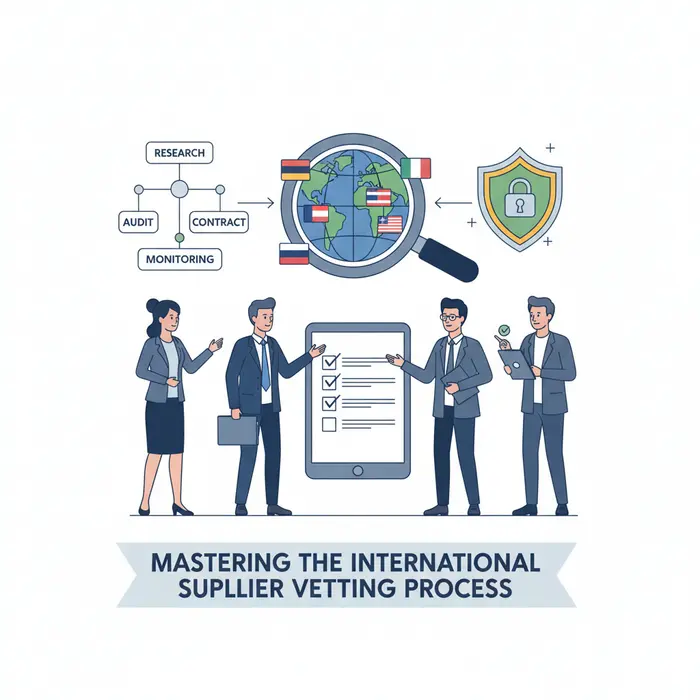
The initial phase of the international supplier vetting process involves establishing clear criteria for partner selection and conducting comprehensive due diligence. This goes beyond a simple price comparison; it requires a deep dive into various operational, ethical, and strategic aspects. Key criteria include:
- Quality Assurance & Standards: Verify that potential suppliers adhere to international quality standards (e.g., ISO certifications) relevant to your industry. Request product samples, conduct factory audits, and review their quality control processes.
- Production Capacity & Scalability: Assess their ability to meet your current and future demand without compromising quality or delivery timelines. A scalable partner is crucial for long-term growth in the B2B export market.
- Communication & Responsiveness: Evaluate their communication channels, language proficiency, and responsiveness. Effective communication is paramount in bridging geographical and cultural distances, especially when navigating international trade regulations.
- Ethical Practices & Sustainability: Investigate their labor practices, environmental compliance, and commitment to corporate social responsibility. Partnering with ethically sound suppliers minimizes reputational risks and aligns with global consumer and regulatory expectations.
- Industry Reputation & References: Seek references from existing clients, ideally those with similar business needs. Check their track record for reliability, delivery performance, and problem-solving capabilities. Digital B2B export platforms often provide peer reviews and ratings that can offer initial insights.
Thorough due diligence at this stage is foundational, helping to identify potential red flags early and ensuring alignment with your B2B Export Market Entry Strategy. This systematic approach reduces unforeseen challenges, making the path to global market penetration smoother.
2. Legal & Financial Background Checks for International Entities
Beyond operational assessments, a rigorous legal and financial background check is non-negotiable for any international supplier vetting process. This step mitigates significant commercial and reputational risks associated with non-compliance or financial instability.
- Legal Compliance: Confirm the supplier’s adherence to local and international laws, including trade sanctions, anti-bribery regulations (e.g., FCPA, UK Bribery Act), and intellectual property rights. Understanding and navigating international trade regulations is complex and requires expert insight. Seek legal counsel to review contracts and ensure compliance with the legal frameworks of both your country and the supplier’s.
- Financial Stability & Creditworthiness: Obtain and analyze financial statements, credit reports, and banking references. Assess their cash flow, debt levels, and profitability to ensure they have the financial capacity to fulfill orders and withstand economic fluctuations. This is particularly crucial for SMEs seeking export financing solutions, as a supplier’s stability can indirectly impact their own financial standing.
- Regulatory Adherence: Verify their compliance with specific industry regulations, customs requirements, and product certification standards in your target export markets. Non-compliance can lead to costly delays, fines, or even market exclusion.
- Ownership & Structure: Understand the supplier’s ownership structure, including ultimate beneficial owners, to identify any potential conflicts of interest or risks associated with opaque corporate structures.
These detailed checks provide a crucial safeguard against fraud, insolvency, and legal entanglements, offering peace of mind as you expand your operations globally. It’s an essential part of preparing your B2B Export Market Entry Strategy.
3. Building Trust and Long-Term Supplier Relationships
Selecting the right international supplier is just the beginning; fostering a strong, long-term relationship is key to sustained success. Trust, transparency, and mutual understanding form the bedrock of enduring partnerships, especially in the context of the global B2B export market.
- Clear Communication & Expectations: Establish clear lines of communication from the outset. Define performance metrics, delivery schedules, and quality expectations in written agreements. Regular updates and feedback loops prevent misunderstandings and enable proactive problem-solving.
- Cultural Understanding: Invest time in understanding the cultural nuances of your international partners. Cultural sensitivity can significantly enhance collaboration, negotiation, and overall relationship management.
- Performance Monitoring & Feedback: Continuously monitor supplier performance against agreed-upon KPIs. Provide constructive feedback, recognize achievements, and work collaboratively to address any issues. This ongoing engagement is vital for continuous improvement.
- Conflict Resolution Mechanism: Outline a clear process for conflict resolution in your contracts. Having a predefined mechanism for addressing disputes helps maintain trust and prevents minor disagreements from escalating into major issues.
- Incentivizing Partnership: Consider strategies to incentivize strong performance and loyalty, such as long-term contracts, volume discounts, or joint product development opportunities. A partner who feels valued is more likely to go the extra mile.
By investing in these relationships, businesses can transform transactional interactions into strategic alliances, enhancing supply chain resilience and fostering innovation, ultimately supporting a robust B2B Export Market Entry Strategy in the competitive international landscape. A strong, vetted supplier network is an invaluable asset, ensuring smooth operations, consistent quality, and sustained growth for your export ventures.
Fueling Growth: SME Export Financing Solutions
Exploring various financing options and support mechanisms specifically available for Small and Medium-sized Enterprises entering the B2B export market.
The ambition of Small and Medium-sized Enterprises (SMEs) to venture into the B2B export market often faces a significant hurdle: financing. While the potential for growth and market diversification is immense, the associated risks – from extended payment terms and currency fluctuations to political instability and buyer default – can deter even the most promising businesses. Successfully navigating these challenges requires a robust B2B Export Market Entry Strategy that incorporates smart financing solutions. This section delves into diverse mechanisms available to SMEs, empowering them to mitigate financial risks and secure the capital needed to compete effectively on the global stage. Understanding these options is crucial, not just for funding immediate transactions, but for building long-term sustainable export capabilities. From traditional credit support to innovative alternative solutions, the landscape of SME export financing solutions is designed to bridge the gap between aspiration and global reach, allowing businesses to focus on growth rather than solely on risk management.
Understanding Export Credit Insurance and Guarantees
A foundational pillar for secure international trade is export credit insurance. This vital tool protects exporters against non-payment by foreign buyers due to commercial (e.g., insolvency, protracted default) or political risks (e.g., war, currency inconvertibility). For an SME, extending open account terms to an unknown international buyer is risky. Export credit insurance mitigates this, giving confidence to offer competitive payment terms, often crucial for securing international contracts. Agencies like the Export-Import Bank of the United States (EXIM Bank) and similar institutions worldwide offer such insurance, typically covering a significant portion of the invoice value (e.g., up to 95%). This directly impacts an SME’s balance sheet should a buyer default. Beyond direct insurance, guarantees are critical. Export credit guarantees, provided by government agencies, back loans for export activities, reassuring banks that a portion of the loan will be repaid even if the exporter defaults. This encourages banks to extend working capital, pre-shipment, or post-shipment financing to SMEs, lowering the risk for financial institutions and opening credit lines otherwise unavailable. It’s an essential component in navigating international trade regulations related to payment security.
Government-Backed Export Loan Programs and Grants
Governments globally recognize the economic importance of SME exports, offering specialized loan programs and grants. These initiatives stimulate export growth by providing more favorable terms than conventional commercial loans. For example, the U.S. Small Business Administration (SBA) offers various export loan programs (Export Express, Export Working Capital Program, International Trade Loan) providing loan guarantees to lenders. This enables lenders to offer smaller, more flexible loans to exporters, often with lower interest rates, longer repayment periods, and reduced collateral requirements. These are highly attractive to SMEs funding inventory, production, marketing, or initial costs associated with an International supplier vetting process. Beyond loans, some governments and regional blocs (e.g., EU) provide grants for export development, covering market research, trade show participation, or certification. While non-repayable, grants are competitive and require detailed applications demonstrating clear export potential. Accessing these programs requires meticulous research into available options and application criteria, significantly reducing the initial financial burden of global expansion.
Alternative Financing and Payment Solutions for Cross-Border Trade
Beyond traditional and government-backed options, a growing array of alternative financing and payment solutions caters to the dynamic needs of modern cross-border trade. Trade finance instruments like forfaiting and factoring offer immediate liquidity. Forfaiting involves selling medium- to long-term trade receivables (e.g., bills of exchange) at a discount to a financial institution without recourse, eliminating commercial and political risks, and improving cash flow. Export factoring involves selling short-term accounts receivable to a factor, who then assumes collection responsibility and credit risk. Supply chain finance (SCF) platforms optimize working capital, often benefiting SME suppliers with earlier payments at a discount. Furthermore, Digital B2B export platforms have revolutionized payment processing. These platforms integrate secure payment gateways, multi-currency support, and escrow services, simplifying transactions and reducing foreign exchange risks. Fintech solutions also provide innovative ways for SMEs to access capital through crowdfunding or blockchain-based trade finance, offering speed and flexibility. Exploring these diverse options ensures SMEs have a comprehensive toolkit to manage cash flow, mitigate risks, and successfully expand their footprint in the B2B export market. This multi-faceted approach to financing is critical for sustained growth and competitiveness.
Navigating Regulations & Digital B2B Export Platforms
For businesses looking to thrive in the global marketplace, a robust B2B Export Market Entry Strategy is paramount. This involves not only identifying lucrative markets but also meticulously navigating the complex web of international trade regulations and harnessing the power of digital platforms. Expanding your reach beyond domestic borders presents immense opportunities for growth, yet it also brings a unique set of challenges related to compliance, logistics, and market penetration. Success hinges on a clear understanding of legal frameworks and the strategic deployment of modern tools to streamline operations and enhance visibility.
1. Key International Trade Regulations and Compliance
Understanding and adhering to international trade regulations is the bedrock of any successful export operation. Ignorance of these laws can lead to severe penalties, including fines, shipment delays, and reputational damage. Key areas of focus include export controls, which govern the types of goods and technologies that can be exported and to whom; sanctions programs, prohibiting trade with specific countries, entities, or individuals; and anti-corruption laws like the FCPA or UK Bribery Act. Furthermore, product-specific regulations, such as those related to safety, environmental standards, and labeling, vary significantly by country and must be thoroughly researched for each target market. Navigating international trade regulations requires ongoing vigilance and often necessitates legal counsel or specialized compliance software. Staying informed about geopolitical shifts and changes in trade policies is crucial for maintaining compliance and avoiding costly disruptions. Building a strong internal compliance program, with clear policies, training, and regular audits, is essential for mitigating risks and ensuring sustainable global trade operations. For comprehensive resources on international trade rules, the World Trade Organization (WTO) offers invaluable insights into the multilateral trading system.
2. Customs Procedures, Tariffs, and Documentation Requirements
The journey of goods across international borders is governed by intricate customs procedures. Exporters must be prepared to handle a myriad of documentation, understand tariff classifications, and account for various duties and taxes. The Harmonized System (HS) code classification is fundamental, as it dictates the applicable tariffs and regulations for your product in the importing country. Misclassification can lead to incorrect duties, delays, or even penalties. Beyond tariffs, exporters need to be aware of other potential charges, such as Value Added Tax (VAT) or Goods and Services Tax (GST), excise duties, and specific import fees. Essential export documentation typically includes a commercial invoice, packing list, certificate of origin, and bill of lading or air waybill. Depending on the product and destination, additional permits, licenses, or health certificates may be required. Efficiently managing these documents is critical for smooth customs clearance and avoiding costly demurrage or storage fees. Businesses should also consider how to manage payment risks and explore SME export financing solutions to ensure healthy cash flow, especially when dealing with extended payment terms or large international orders. A robust International supplier vetting process is equally vital to ensure that your supply chain partners are reliable and compliant with their own obligations, thereby minimizing your risk exposure.
3. Harnessing Digital B2B Export Platforms for Global Reach
In today’s interconnected world, digital platforms have revolutionized the way businesses approach global expansion. Digital B2B export platforms offer unprecedented opportunities for companies, especially SMEs, to connect with international buyers, streamline sales processes, and manage logistics more efficiently. These platforms act as virtual marketplaces, providing tools for product showcasing, lead generation, secure payment processing, and sometimes even integrated freight and customs services. By leveraging these platforms, businesses can significantly reduce traditional market entry barriers, such as the need for physical sales offices or extensive travel. They provide access to vast networks of potential customers, allowing exporters to test markets, gather competitive intelligence, and adapt their offerings based on real-time feedback. Features like translation services, currency conversion, and simplified compliance tools can make the exporting process less daunting. Furthermore, many platforms offer robust analytics, providing insights into buyer behavior and market trends, which can refine a company’s B2B Export Market Entry Strategy. Investing in a strong online presence and strategically utilizing these digital tools is no longer an option but a necessity for any business aiming to achieve sustainable global growth and efficiency in the competitive B2B export landscape.
Partner with Vietnam’s Leading Suppliers
Looking for reliable suppliers in Vietnam? Contact VietnamSuppliers.com today to connect with verified manufacturers and exporters across all industries.
—————————————
References
– International Trade Centre’s insights on export readiness: https://www.intracen.org/itc/blogs/export-readiness-check-how-well-prepared-are-you-for-export/
– U.S. Government Trade Data and Analysis: https://www.trade.gov/data-and-analysis
– PwC: Managing Supply Chain Risk and Resilience: https://www.pwc.com/gx/en/services/consulting/supply-chain/managing-supply-chain-risk-and-resilience.html
– Export-Import Bank of the United States: https://www.exim.gov/
– World Trade Organization (WTO): https://www.wto.org/english/thewto_e/whatis_e/tif_e/understanding_e.htm