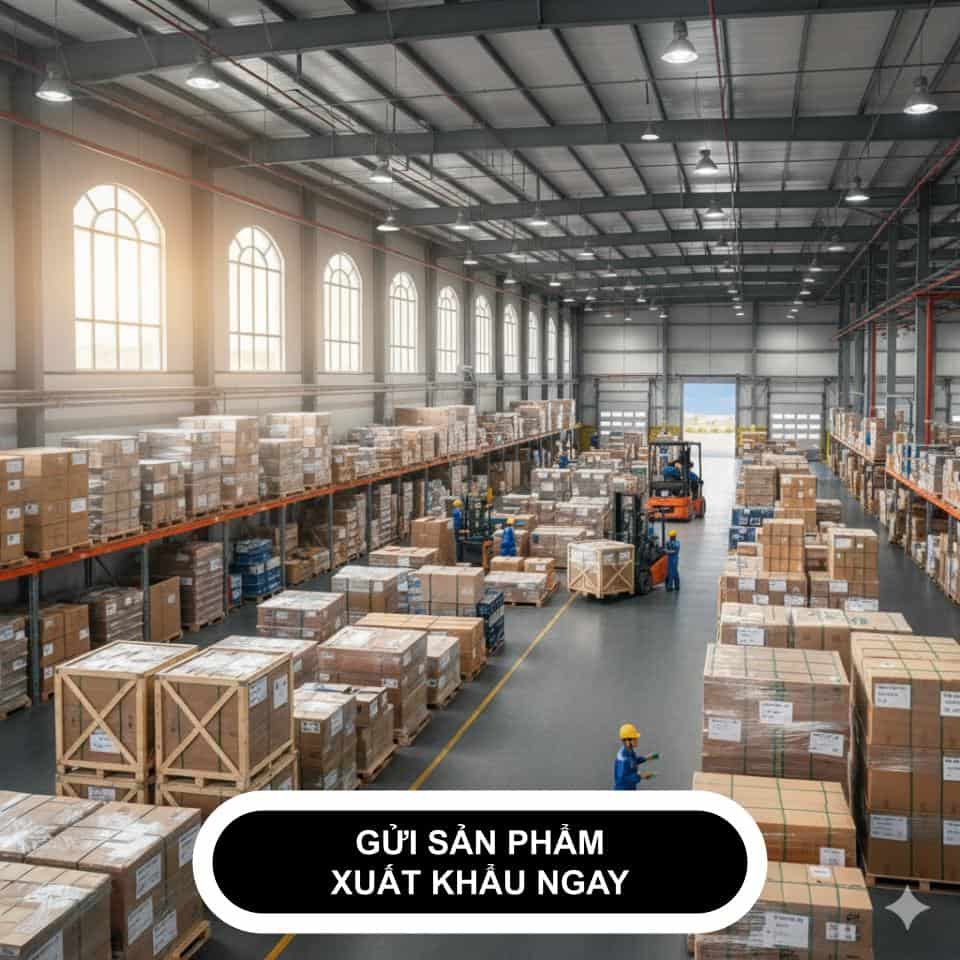
Overview of Global Manufacturing Trends 2025
The global manufacturing landscape is in a perpetual state of flux, driven by technological advancements, evolving economic dynamics, and shifting geopolitical realities. As we look towards 2025, several pivotal Global Manufacturing Trends are poised to redefine how goods are produced, distributed, and consumed worldwide. This section provides a high-level introduction to these significant trends, offering a foundational understanding before delving into a deeper analysis of each. Manufacturers, suppliers, and policymakers alike must grasp these shifts to navigate the complexities and capitalize on emerging opportunities in the coming years. From the factory floor to the global supply network, the emphasis will increasingly be on agility, innovation, and sustainability.

1. Key Economic & Technological Drivers
The year 2025 will see manufacturing propelled by a confluence of powerful economic and technological forces. Digitization remains at the forefront, with the continued integration of Artificial Intelligence (AI), the Internet of Things (IoT), and advanced analytics into every stage of the production process. This era of “smart manufacturing” promises unprecedented levels of efficiency, predictive maintenance, and customized production. We anticipate a significant surge in demand for advanced automation equipment and industrial machinery, necessitating a sophisticated automation equipment sourcing guide for businesses looking to upgrade their capabilities. Furthermore, the global economic recovery, albeit uneven, will stimulate new investment in manufacturing technology, reshaping the manufacturing technology export outlook. Emerging economies, in particular, are keen to leapfrog traditional development stages by adopting cutting-edge solutions, fueling robust competition and innovation across the sector. Labor shortages in developed nations will also accelerate the adoption of robotics and automation, pushing the boundaries of human-machine collaboration. This technological imperative is not merely about efficiency but about creating more resilient and adaptable production systems capable of responding to rapid market changes.
2. Regional Shifts in Production Powerhouses
The traditional geographical distribution of manufacturing is undergoing a profound transformation. While Asia, particularly China, will retain a dominant position, 2025 is expected to witness the strengthening of manufacturing hubs in Southeast Asia, Latin America, and parts of Eastern Europe. Factors such as rising labor costs in established hubs, geopolitical considerations, and the desire for diversified supply chains are driving companies to explore new production locations. This trend opens up significant heavy equipment import opportunities for developing nations, as they seek to build out their industrial infrastructure. Simultaneously, concepts like nearshoring and reshoring are gaining traction, with companies bringing production closer to end-markets to mitigate supply chain risks and enhance responsiveness. This strategic realignment is creating new dynamics in the industrial machinery export market analysis, as manufacturers adjust their sales and distribution networks to target these emerging and re-emerging regions. Governments worldwide are also implementing policies to attract manufacturing investments, offering incentives and developing specialized industrial zones, further accelerating these regional shifts and fostering localized industrial ecosystems.
3. Resilience and Sustainability in Supply Chains
Lessons learned from recent global disruptions have firmly placed resilience and sustainability at the core of manufacturing strategy for 2025. Businesses are moving away from purely cost-driven supply chains towards models that prioritize robustness, agility, and ethical practices. This involves diversifying supplier bases, investing in localized production capabilities, and leveraging real-time data for better risk management. Concurrently, environmental, social, and governance (ESG) factors are no longer optional but integral to operational planning. Manufacturers face increasing pressure from consumers, investors, and regulators to adopt greener practices, reduce carbon footprints, and ensure ethical sourcing. This push towards a circular economy will drive innovation in sustainable materials, energy-efficient processes, and waste reduction across the production lifecycle. Understanding these evolving Global Manufacturing Trends related to supply chain resilience and sustainability is crucial for any business aiming for long-term viability and competitive advantage. The ability to demonstrate a commitment to both operational integrity and environmental stewardship will differentiate industry leaders and attract a new generation of conscious consumers and investors.
The outlook for global manufacturing in 2025 is one of dynamic evolution and strategic recalibration. From the relentless march of technological innovation and the redrawing of the world’s production map to the imperative for more resilient and sustainable supply chains, the industry is poised for significant change. These high-level Global Manufacturing Trends underscore a future where adaptability, digital proficiency, and a commitment to responsible practices will define success. As we proceed to deeper dives into each area, stakeholders will gain the insights needed to navigate this complex yet opportunity-rich landscape, ensuring their operations are future-proofed and poised for growth.
Industrial Machinery Export Market Analysis
A detailed examination of the global market for industrial machinery exports, highlighting key growth areas, competitive landscapes, and emerging opportunities.
The global industrial machinery export market is a dynamic and pivotal sector, reflecting the health and future direction of manufacturing worldwide. As industries increasingly adopt advanced technologies and seek efficiencies, the demand for sophisticated machinery continues to grow, driving significant trade flows across continents. Understanding the intricate patterns of this market, from dominant exporters to evolving technological impacts, is crucial for businesses aiming to capitalize on Global Manufacturing Trends and secure their position in the global supply chain. This analysis delves into the key facets shaping the industrial machinery export landscape, offering insights into top players, demand forecasts, and the transformative influence of digitalization.
1. Top Exporting Nations & Market Share
The global industrial machinery export market is largely dominated by a few economic powerhouses, each specializing in distinct machinery types and leveraging strong technological bases. Germany, a perennial leader, maintains a robust market share, particularly in high-precision engineering, machine tools, and specialized industrial equipment. Its reputation for quality and innovation makes its exports highly sought after. China has rapidly ascended as a major exporter, not only in terms of volume but increasingly in value, moving beyond general manufacturing equipment to offer competitive solutions in automation and robotics. This shift reflects China’s investment in advanced manufacturing capabilities and its growing presence in emerging markets.
Other significant contributors include the United States, strong in agricultural machinery, construction equipment (offering heavy equipment import opportunities for many nations), and aerospace manufacturing machinery; Japan, renowned for its robotics, advanced machine tools, and automotive production lines; and Italy, with its strong presence in packaging machinery, textile machinery, and woodworking equipment. The competitive landscape is characterized by constant innovation, strategic alliances, and intense competition, particularly as developing nations bolster their industrial bases and seek to localize production, influencing market share dynamics and prompting shifts in traditional trade routes.
2. Demand Forecasts for Specific Machinery Types
Forecasting demand for specific machinery types reveals the underlying currents of global industrial development. One of the most significant growth areas is automation and robotics. The push for increased productivity, reduced labor costs, and enhanced precision across various sectors—from automotive to electronics and logistics—is fueling unprecedented demand for industrial automation solutions. This creates substantial automation equipment sourcing guide opportunities for buyers worldwide.
Beyond automation, heavy construction and mining equipment continue to see strong demand, driven by global infrastructure projects, urbanization, and renewed investment in natural resource extraction in developing economies. The renewable energy sector is another burgeoning market, requiring specialized machinery for the production of solar panels, wind turbines, and battery components. Furthermore, the e-commerce boom has spurred demand for packaging and logistics machinery, essential for efficient warehousing and distribution. As supply chains become more complex and integrated, the need for advanced manufacturing technology export outlook solutions that offer greater flexibility, speed, and intelligence becomes paramount, ensuring robust demand across these key segments for the foreseeable future.
3. Impact of Digitalization on Machinery Trade
Digitalization, epitomized by Industry 4.0, is profoundly reshaping the industrial machinery trade, introducing both challenges and unprecedented opportunities. The integration of the Internet of Things (IoT), artificial intelligence (AI), and advanced data analytics into manufacturing processes is transforming machinery from standalone units into intelligent, connected systems. This shift enables features like predictive maintenance, remote diagnostics, and real-time performance monitoring, adding significant value to machinery exports.
For exporters, digitalization means developing and selling “smart” machinery that offers enhanced efficiency and operational intelligence. This also necessitates new business models, such as machine-as-a-service (MaaS) and subscription-based software for machine optimization. Importers benefit from higher uptime, optimized production, and reduced operational costs. However, it also introduces complexities related to data security, interoperability, and the need for a skilled workforce capable of managing these advanced systems. Furthermore, digitalization influences the entire supply chain, fostering greater transparency and enabling highly customized manufacturing solutions, thus dictating the future direction of industrial machinery export market analysis and strategic planning.
The global industrial machinery export market is in a constant state of evolution, driven by technological advancements, shifting economic landscapes, and a persistent push for efficiency and sustainability. By understanding these dynamics—from the dominance of key exporting nations to the specific machinery types in high demand and the transformative impact of digitalization—stakeholders can better navigate this complex terrain and leverage emerging opportunities for growth and innovation.
Heavy Equipment Import Opportunities & Strategies
Explores promising import markets for heavy equipment, offering strategic guidance for businesses looking to identify and capitalize on these opportunities.
The global heavy equipment market is a dynamic landscape, constantly reshaped by infrastructure development, industrial growth, and technological advancements. For businesses looking to expand their portfolio or secure essential machinery, identifying and capitalizing on heavy equipment import opportunities is crucial. This guide delves into the most promising emerging markets, offers strategies for navigating complex import regulations, and provides insights into optimizing sourcing and logistics to ensure a competitive edge in this vital sector.
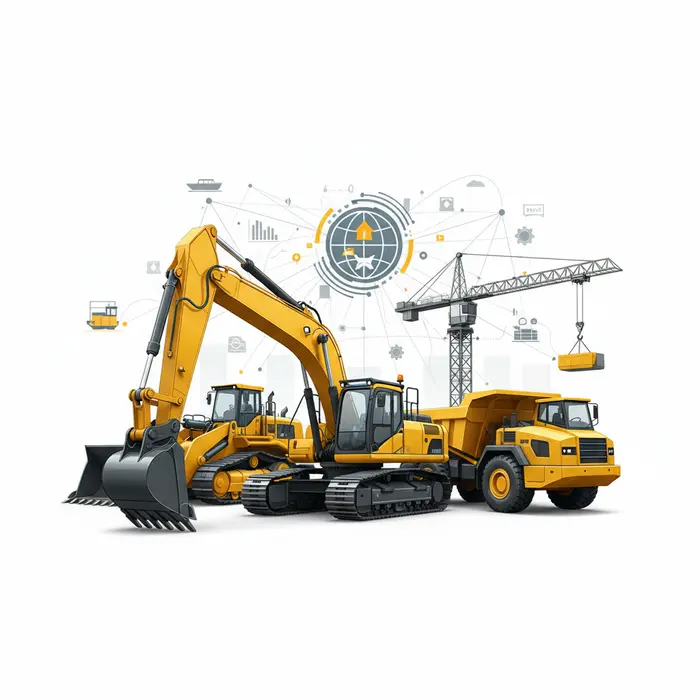
1. Emerging Markets for Heavy Equipment Imports
An Global Manufacturing Trends analysis reveals significant potential in several regions poised for substantial infrastructure and industrial expansion. Southeast Asia, with its rapid urbanization and ambitious infrastructure projects, presents a burgeoning demand for construction machinery, material handling equipment, and specialized industrial tools. Countries like Vietnam, Indonesia, and the Philippines are actively investing in roads, railways, ports, and smart cities, creating a continuous need for excavators, loaders, cranes, and specialized manufacturing equipment.
Similarly, parts of Africa, particularly nations rich in natural resources, show immense potential for mining and agricultural heavy equipment imports. As these economies diversify and modernize, the demand extends to robust machinery for processing, logistics, and infrastructure development. The Middle East also remains a key market, driven by large-scale construction projects and diversification efforts away from oil, fueling a consistent need for high-quality heavy machinery. Thorough Industrial machinery export market analysis is essential to pinpoint specific equipment types and market niches within these regions, transforming broad trends into actionable heavy equipment import opportunities. Understanding local development plans and economic indicators is paramount for businesses to accurately forecast demand and strategically position their import operations, aligning with the long-term Manufacturing technology export outlook.
2. Navigating Import Regulations and Tariffs
Successfully importing heavy equipment demands a deep understanding of international trade regulations, customs procedures, and varying tariff structures. Each country presents its unique set of challenges, from stringent emissions standards for vehicles and machinery to specific certifications for industrial safety and operational compliance. Businesses must meticulously research import duties, value-added taxes (VAT), and other levies that can significantly impact the final cost and profitability of imported equipment. Engaging with local customs brokers and legal experts is often indispensable to streamline the process and avoid costly delays or penalties.
Furthermore, staying abreast of global trade regulations and agreements, such as free trade agreements, can offer preferential tariff rates and simplified customs procedures, making certain markets more attractive for heavy equipment import opportunities. The complexity of these regulations underscores the need for a proactive approach to due diligence. Importers should also be aware of non-tariff barriers, which can include quotas, import licensing requirements, and technical standards that can create significant hurdles. A comprehensive compliance strategy is not just about avoiding fines; it’s about building trust, ensuring smooth operations, and protecting the integrity of the supply chain in the competitive Industrial machinery export market analysis landscape.
3. Optimizing Sourcing and Logistics for Heavy Equipment
Efficient sourcing and robust logistics are the backbone of successful heavy equipment imports. Sourcing strategies should prioritize reliability, quality, and cost-effectiveness. This involves identifying reputable manufacturers or authorized distributors, conducting thorough due diligence on suppliers, and negotiating favorable terms. Leveraging digital platforms and B2B marketplaces can help in discovering global suppliers and comparing offerings, but direct relationships often yield better outcomes for large-scale equipment.
Logistics for heavy equipment present unique challenges due to the sheer size, weight, and value of the cargo. Specialized freight forwarding services experienced in handling oversized and project cargo are essential. This includes planning optimal shipping routes, selecting appropriate transport modes (ocean freight, rail, specialized road transport), and managing port clearances. Factors like containerization options, breakbulk shipping, and roll-on/roll-off (RoRo) services need careful consideration to minimize transit times and costs while ensuring cargo safety. Furthermore, implementing advanced supply chain technologies, including tracking systems and predictive analytics, can enhance visibility and optimize the entire import process. Businesses exploring Automation equipment sourcing guide principles can apply similar strategic thinking to heavy equipment, focusing on integrated solutions that reduce manual intervention and improve efficiency from procurement to final delivery. Strategic planning in logistics is key to maximizing heavy equipment import opportunities.
In conclusion, the heavy equipment import sector offers substantial growth prospects for astute businesses. By diligently researching emerging markets, expertly navigating regulatory frameworks, and meticulously optimizing sourcing and logistics, companies can unlock significant value and establish a strong presence in this lucrative global industry.
Automation Equipment Sourcing Guide
Provides a comprehensive guide for sourcing automation equipment, covering the latest technologies, key suppliers, and best practices for procurement.
Understanding Global Manufacturing Trends is crucial for competitive advantage. Strategic sourcing of automation equipment is a necessity, driving efficiency, reducing costs, and enhancing product quality. This guide explores acquiring cutting-edge industrial machinery, from advanced robotics to intelligent IoT solutions. Navigating the global market demands insight into technological advancements, reliable supplier networks, and meticulous investment analysis. Adhering to procurement best practices unlocks growth opportunities and ensures long-term success.
1. Key Automation Technologies (Robotics, AI, IoT)
Modern manufacturing relies on transformative automation technologies. Understanding these is crucial for any “Automation equipment sourcing guide.”
- Robotics: Industrial robots have evolved significantly. Collaborative robots (cobots), mobile autonomous robots (AMRs), and sophisticated robotic arms with vision systems revolutionize production. They offer precision, speed, and handle hazardous tasks, boosting productivity and safety. This demand fuels the industrial machinery export market analysis, as nations invest in automated solutions.
- Artificial Intelligence (AI): AI transforms automation by enabling machines to learn and make intelligent decisions. From predictive maintenance anticipating failures to AI-powered quality control identifying defects, AI optimizes efficiency and minimizes downtime. Machine learning algorithms analyze data for continuous improvement.
- Internet of Things (IoT): Industrial IoT (IIoT) connects machines, sensors, and systems across the factory floor, creating a cohesive data network. This allows real-time monitoring of performance, energy, and production. Leveraging IIoT offers unprecedented visibility, enabling proactive decisions, remote diagnostics, and optimized resource allocation. This interconnectivity streamlines supply chains and enhances manufacturing agility, impacting the “Manufacturing technology export outlook” as integrated solutions become standard.
2. Leading Global Suppliers and Integration Partners
Automation project success hinges on selecting the right suppliers and integration partners. The “Heavy equipment import opportunities” sector is rich with providers, from Original Equipment Manufacturers (OEMs) to specialized system integrators.
- Original Equipment Manufacturers (OEMs): OEMs produce specific automation components (robots, PLCs, sensors). Reputable OEMs offer high-quality products with extensive support and warranty. Evaluate their global presence, technical support, innovation, adherence to international standards, spare parts availability, and training.
- System Integrators: These partners are critical for designing, implementing, and commissioning complete automation solutions tailored to your needs. They bridge individual components into a functional system. A good integrator possesses diverse expertise, instrumental in project management, software development, installation, testing, and post-implementation support. Thorough due diligence is vital.
- Global Reach and Local Support: For international manufacturing, assessing a supplier’s global footprint and local support is crucial. Suppliers with regional offices, service centers, and distributors provide faster response times for maintenance, parts, and technical assistance, minimizing downtime and maximizing ROI.
3. Cost-Benefit Analysis of Automation Investments
Before significant capital expenditure, a thorough cost-benefit analysis is indispensable for any “Automation equipment sourcing guide.” This quantifies potential returns and risks.
- Initial Investment vs. Long-Term Savings: Upfront automation costs (hardware, software, installation, training) are substantial. Weigh these against long-term operational savings: reduced labor, minimized waste via precision, lower energy consumption, and decreased maintenance through predictive analytics.
- Productivity and Quality Gains: Automation systems operate continuously with consistent speed and accuracy, leading to higher output and improved product quality. Reduced human error means fewer defects, less rework, and enhanced customer satisfaction. Quantify these gains via increased market share, reduced warranty claims, and higher throughput.
- Return on Investment (ROI) and Payback Period: Calculate ROI by comparing net benefits (savings + revenue increase) to total investment. Determine the payback period. Discounted cash flow analysis refines calculations. Consider intangible benefits like improved worker safety, enhanced brand reputation, and greater operational flexibility.
- Risk Mitigation: Assess risks like technological obsolescence, integration challenges, and new skill sets. Develop contingency plans. Ensure suppliers offer scalable solutions and comprehensive training. A well-planned investment considers immediate benefits, future adaptability, and resilience.
Meticulously evaluating these factors enables informed decisions, ensuring automation investments align with strategic objectives and deliver tangible, sustainable returns.
Manufacturing Technology Export Outlook 2025
The global manufacturing landscape is undergoing a profound transformation, driven by technological advancements and shifting economic priorities. As we approach 2025, the global manufacturing trends point towards an accelerating export market for sophisticated manufacturing technologies. This outlook forecasts significant growth in sectors embracing advanced materials, intelligent factory solutions, and sustainable production innovations, offering unprecedented opportunities for tech exporters and a dynamic manufacturing technology export outlook. Nations and businesses that strategically align with these evolving paradigms are set to capture a larger share of the international market, fueling both economic development and technological progress.

The demand for high-performance industrial machinery and cutting-edge automation equipment continues to surge as countries worldwide invest in upgrading their production capabilities. Understanding the nuances of this expanding market, from pinpointing key growth sectors to crafting robust market entry strategies, is crucial for success. This analysis provides an in-depth look at the forces shaping the future of manufacturing technology exports, highlighting areas where innovation and strategic planning will yield the greatest returns.
Growth Sectors in Advanced Manufacturing Tech
The manufacturing technology export market in 2025 will be dominated by several high-growth sectors. Advanced materials, including composites, smart polymers, and nanotechnology-enhanced substances, are critical for next-generation products across aerospace, automotive, and electronics. Exporters of specialized machinery for processing these materials will find lucrative markets. Smart factory solutions, powered by the Industrial Internet of Things (IIoT), Artificial intelligence (AI), and machine learning, are revolutionizing production efficiency and flexibility. The demand for advanced robotics, collaborative robots (cobots), and autonomous guided vehicles (AGVs) continues to define the automation equipment sourcing guide. Sustainable production innovations, encompassing energy-efficient machinery, waste reduction technologies, and circular economy solutions, are also experiencing a boom, driven by global environmental regulations and corporate sustainability goals. This shift offers significant opportunities for manufacturers to innovate and export green technologies, transforming the traditional industrial machinery export market analysis.
Market Entry Strategies for Tech Exporters
Successful market entry for manufacturing technology exporters in 2025 requires a multi-faceted approach. Comprehensive market research is paramount to identify regions with high demand for specific technologies, such as emerging economies investing heavily in infrastructure and industrialization, creating significant heavy equipment import opportunities. Strategic partnerships, including joint ventures, licensing agreements, and technology transfers, can mitigate risks and accelerate market penetration, especially in new territories with unique regulatory frameworks and business cultures. Localization, adapting technology, and after-sales services to meet local specifications and preferences, is also vital. Exporters must invest in robust support networks, training, and maintenance services to build trust and ensure long-term client relationships. Furthermore, understanding the competitive landscape and intellectual property protections in target markets is crucial to safeguarding innovation and ensuring sustainable growth in the global market.
Competitive Dynamics in Innovation & R&D Exports
The competitive landscape for manufacturing technology exports is intensifying, with innovation and R&D at its core. Countries investing heavily in national innovation ecosystems—fostering collaboration between academia, industry, and government—are becoming leaders in developing and exporting cutting-edge technologies. The protection of intellectual property (IP) is a critical component, as patents and trade secrets safeguard technological advantages and incentivize further R&D. Exporters must navigate a complex global IP landscape, ensuring their innovations are protected while respecting existing patents. Continuous investment in research and development, coupled with agile adaptation to market demands, will be key to staying ahead. The ability to quickly bring new, highly efficient, and sustainable manufacturing solutions to market will differentiate leading exporters, solidifying their position in the dynamic manufacturing technology export outlook. Collaboration across borders for R&D, sharing expertise and resources, can also accelerate innovation and open new avenues for export growth.
In conclusion, the Manufacturing Technology Export Outlook 2025 paints a picture of dynamic growth and intense competition. Success hinges on a clear understanding of growth sectors, agile market entry strategies, and an unwavering commitment to innovation and R&D. As the world moves towards smarter, more sustainable production, exporters of advanced manufacturing technologies are poised for significant opportunities, provided they can adapt to and influence the evolving global landscape.
Partner with Vietnam’s Leading Suppliers
Looking for reliable suppliers in Vietnam? Contact VietnamSuppliers.com today to connect with verified manufacturers and exporters across all industries.
—————————————
References
– McKinsey on Future of Operations and Manufacturing: https://www.mckinsey.com/capabilities/operations/our-insights/future-of-operations-and-manufacturing-articles
– Industrial Automation Market Size, Share & Trends Report: https://www.grandviewresearch.com/industry-analysis/industrial-automation-market
– global trade regulations and agreements: https://www.wto.org/english/tratop_e/tradfa_e/tradfa_e.htm
– Robots Drive Global Manufacturing Growth: https://ifr.org/post/robots-drive-global-manufacturing-growth/
– Deloitte’s Manufacturing Outlook: https://www2.deloitte.com/us/en/pages/manufacturing/articles/manufacturing-outlook-trends-report.html